Looking for reputable and qualified general contractor sites for your website project? Look no further! Here is a list of the top 40 general contractor websites, all of which are sure to have the perfect professional for the job. Each website has been evaluated according to its design, usability, features, and content. So whether you are looking for a website design for general contractors in your area or just want some general contractor website ideas and inspiration for your next project, be sure to check out these great websites!
1. JDG Constructions
Why it works: The navigation is extremely simple to follow, and the overall design is very sleek. The banner images are also very effective in terms of catching a potential customer’s attention.
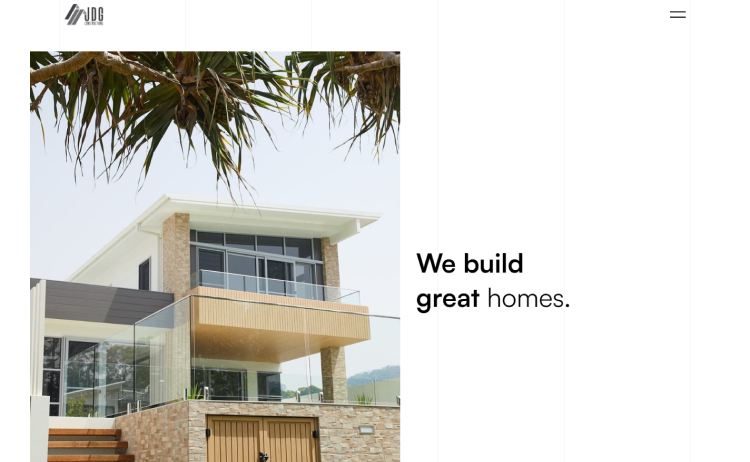 jdgconstructions.com.au
2. Voscon
Why it works: The Voscon construction website design has a clean, modern design that is easy to navigate. The home page features a slider of images that showcase the company’s completed work, as well as a brief overview of their service areas.
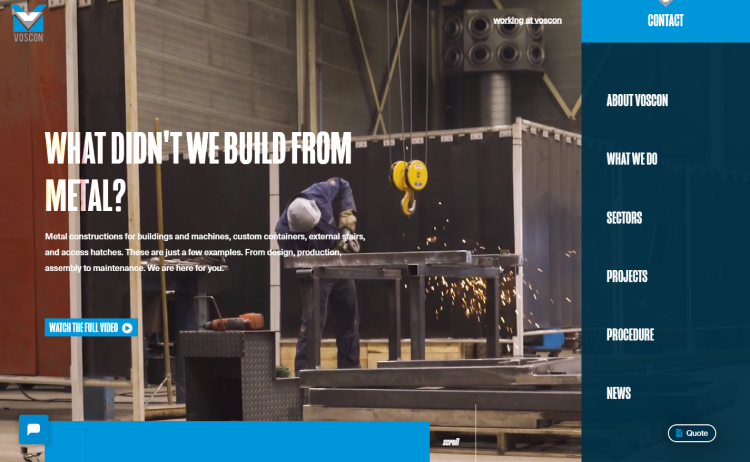 voscon.nl
3. Union
Why it works: Dark color schemes can be very effective, and Union Construction Group’s website is a great example of this. The site is easy to navigate, and the photos are well-chosen and high-quality. The fonts are also easy to read.
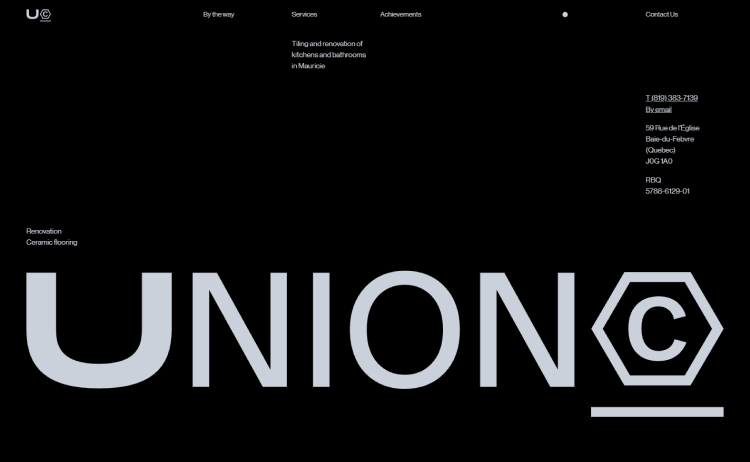 unionconstruction.ca
4. Sbud Pro
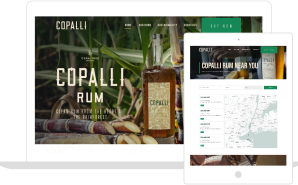
Why it works: Big images are always impressive, and the Sbud Pro website uses them effectively. Their phone number is prominently featured on the home page, making it easy for potential customers to get in touch. The overall design is also clean and professional.
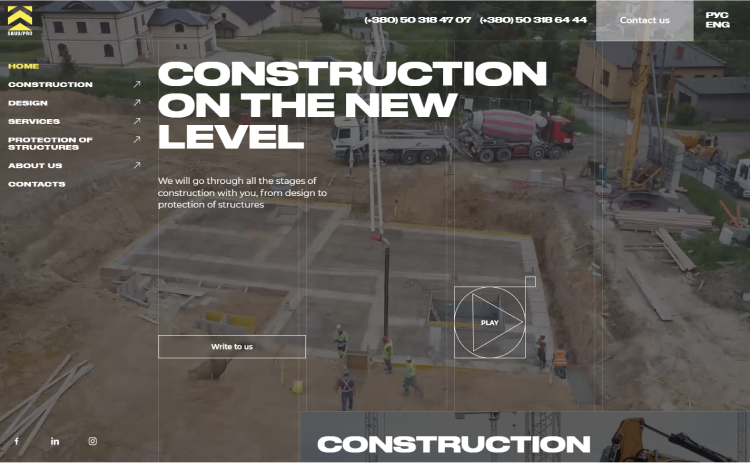 sbudpro.space
General Contractor Website
5. Doma Deka
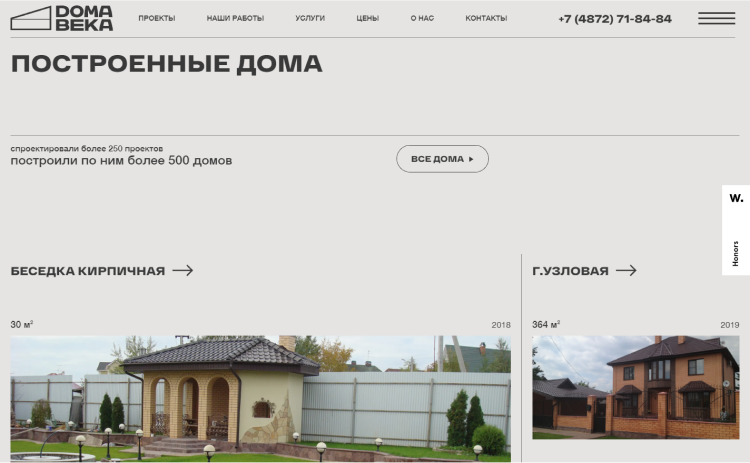
Why it works: The Doma Deka website has a very unique design that is sure to stand out. The loading animation is also a nice touch. The homepage features slider images of projects, which is a great example of marketing the business.
 doma-veka.ru
6. Apex Transformations
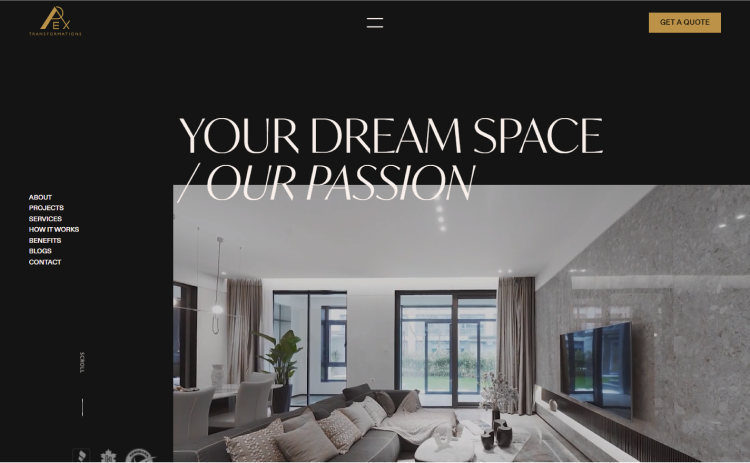
Why it works: The fonts on the Apex Transformations website are easy to read, and the overall design is clean and modern. The company’s services are listed on the home page, making it easy for marketing what they can do for the new business clients.
 apextransformations.ca
7. CCS Difference
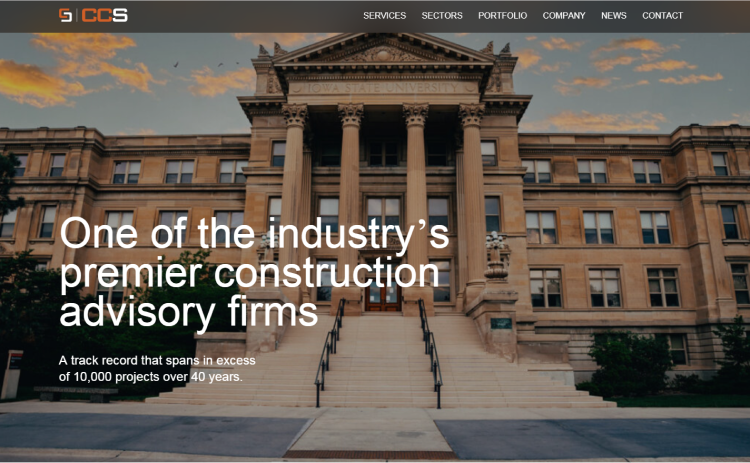
Why it works: The CCS Difference website has a very clean and professional design. The company’s services are listed on the home page, as well as some of the benefits of working with CCS. There is also a brief overview of the business itself.
 ccsdifference.com
8. United Elite Group
Why it works: Dark and Gold colors are used throughout the site, which gives it a luxurious feel. Construction company websites can often be very cluttered, but United Elite Group has avoided this pitfall.
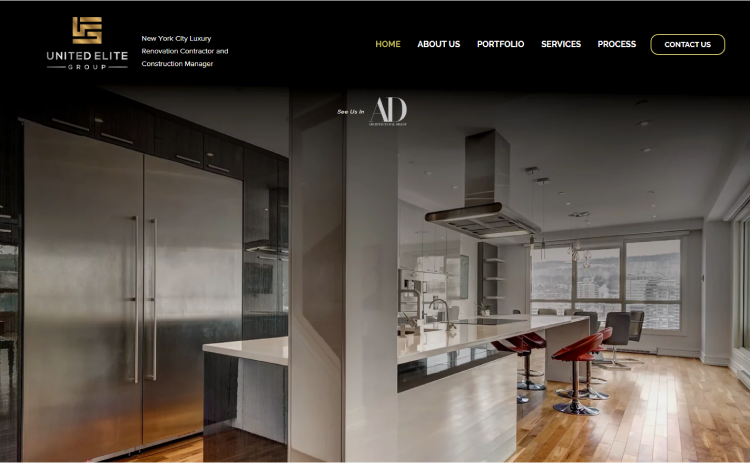 unitedelitegroup.com
General Contractor Website Design
9. Maison Usinex
Why it works: This website has a very minimalistic design that is easy to navigate. Subtle scroll transition animations are used throughout the site, which gives it a modern feel. The web design is also responsive, so it looks great on all devices.
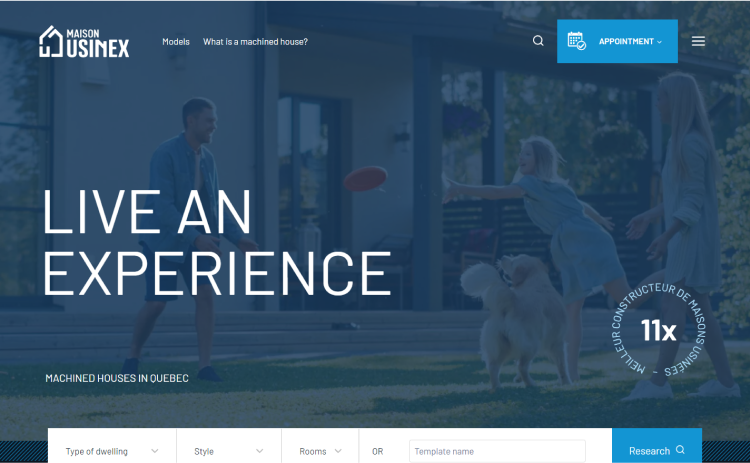 maisonusinex.com
10. SV Life
Why it works: This stands out from other construction businesses’ sites with its engaging and quality visuals and use of whitespace. It’s easy to understand what the company does from the home page. The services are listed in an easily understandable way with clear call-to-actions.
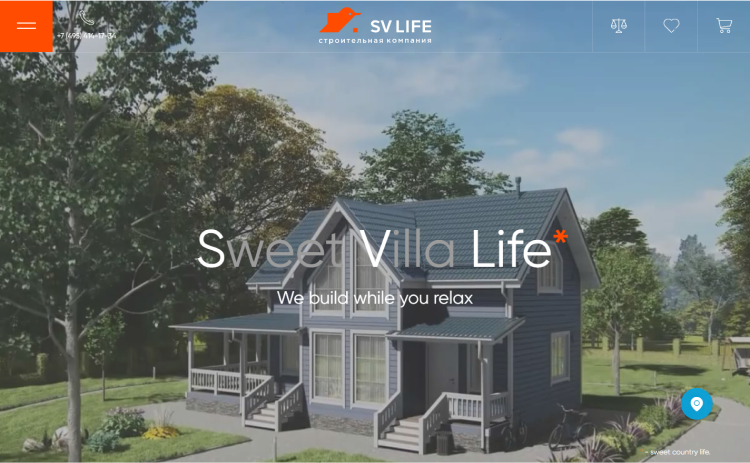 sv-life.ru
11. Caledonian
Why it works: Most important parts of the page are given more visual weight to create and draw attention. Construction businesses’ websites can get lost in the shuffle if they don’t have a strong visual identity, but Caledonian’s website stands out.
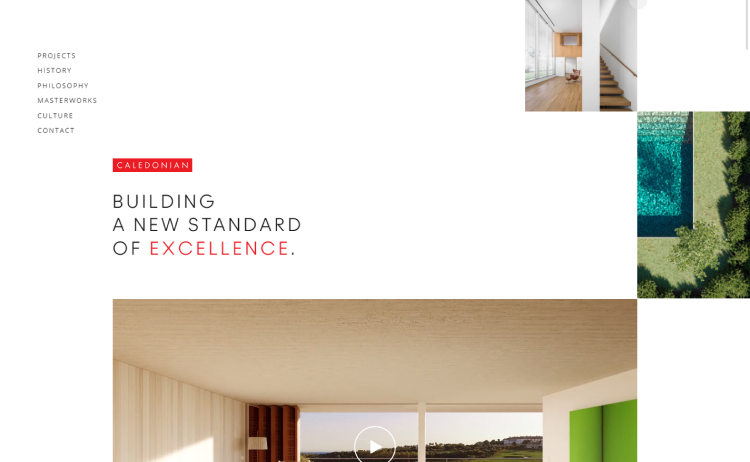 caledonian.es
12. PRB Architects
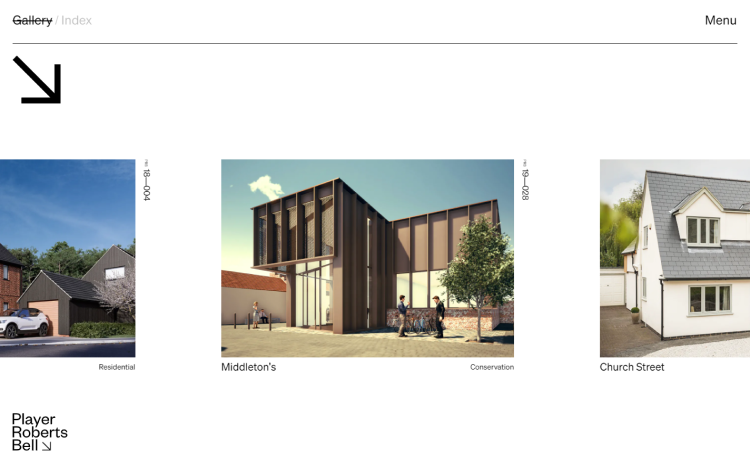
Why it works: Quality photos from projects are used to create a great marketing strategy and give customers an idea of what they can expect from PRB Architects. People imagine themselves in the space and see that it’s something they would want to be a part of.
 prb-a.com
General Contractor Websites
13. Interior Lab
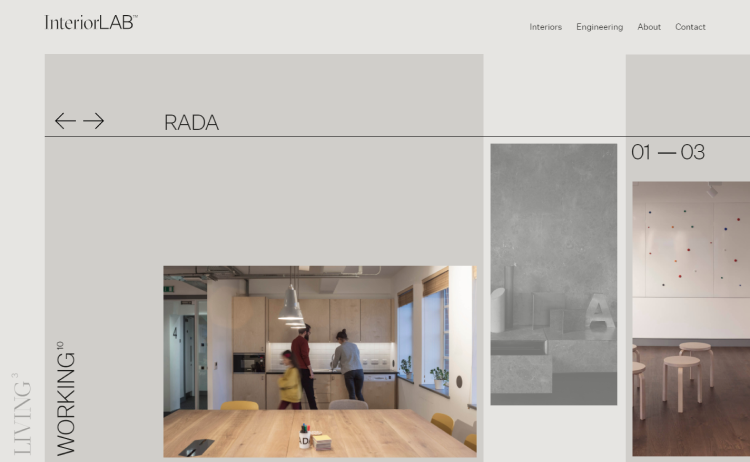
Why it works: Good site for builders that also do home services for interior design. The focus is on photos and visuals with a minimal amount of text. This allows potential customers to get an idea of the company’s past work without being overwhelmed with information.
 interiorlab.creative-nights.com
14. STS Hydro
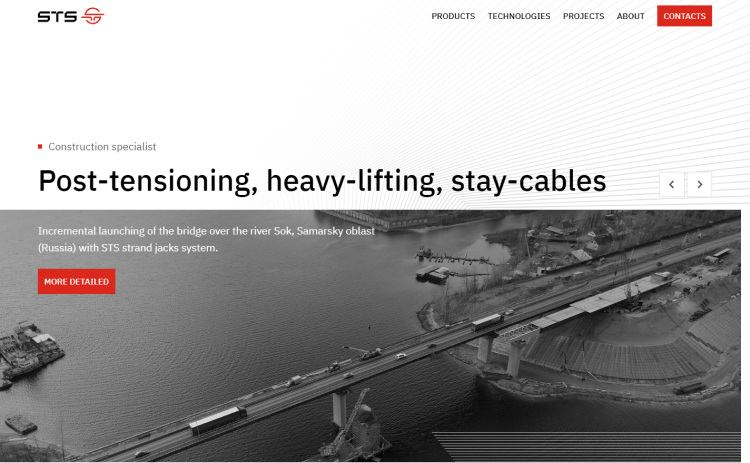
Why it works: We appreciate the level of detail and marketing strategy on this site where their project galleries show before and after photos, as well as a section on the homepage that outlines the company’s construction process and service.
 sts-hydro.com
15. Sunny Development Group
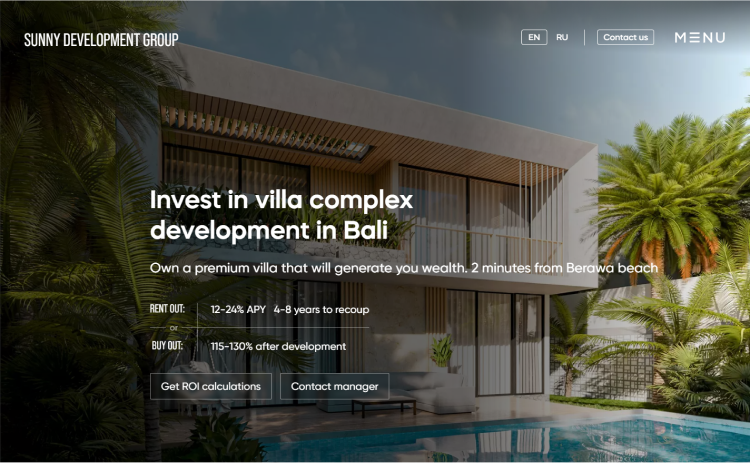
Why it works: Website visitors are immediately drawn in by the large hero image. The company’s services are listed in an easily digestible way, and there is also a section that outlines the benefits of working with their team.
 sunnydg.com
16. Cyclo Group
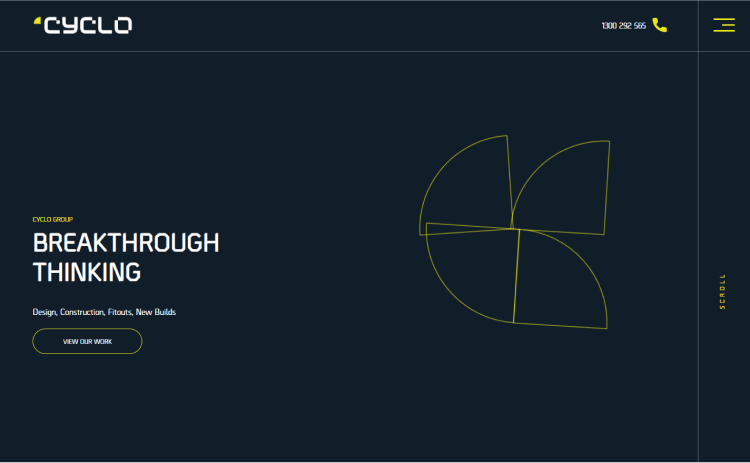
Why it works: This site does a great job of highlighting the contractors’ work. Home services sites often have a lot of content, but Cyclo Group has managed to keep its website concise and easy to navigate. Their phone number is prominently seen which makes it easier for clients to contact them.
 cyclogroup.com.au
Best General Contractor Websites
17. Recyl8
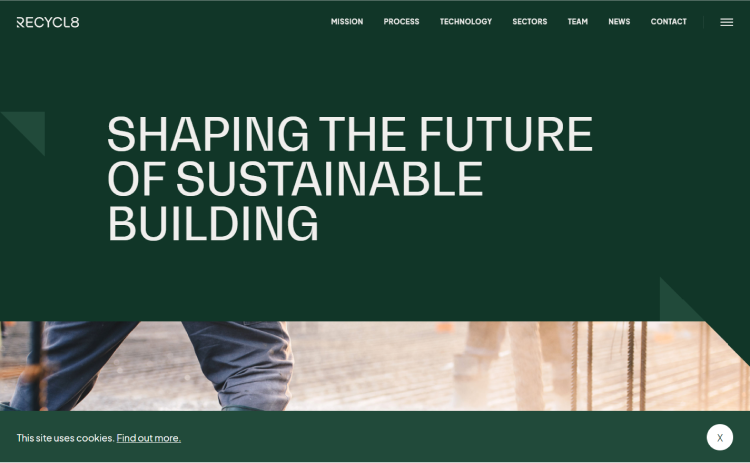
Why it works: This home services website is simple and to the point. Its site is concise and easy to navigate. More customers are interested in working with environmentally conscious businesses, so this created a great marketing point for the company.
 r8iba.com
18. Evho Living
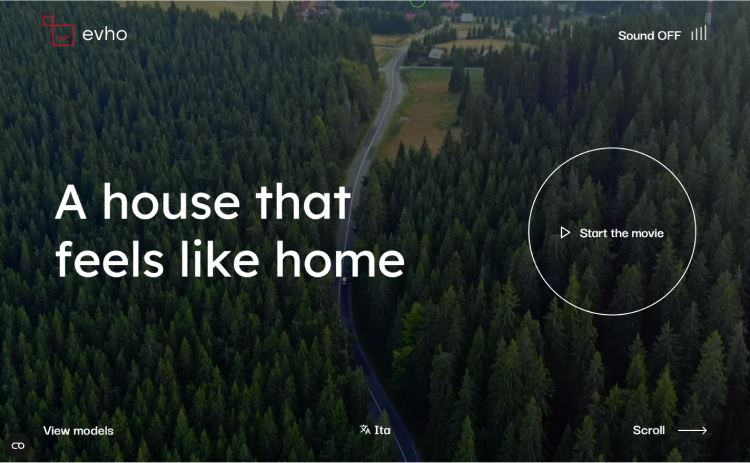
Why it works: Evho Living does a great job of highlighting the company’s work. Inspiration for remodeling your home is easy to find, and the overall design is clean and modern. Content marketing is used effectively to attract potential customers.
 evho-living.com
19. Maman Corp
Why it works: Video is used effectively on their business website that gives potential clients an idea of what the company does. Web design is also clean and modern. Services are listed in an easily digestible way and the process is described in more detail. This is a great way to engage website visitors and set their marketing point from its competitors’ sites.
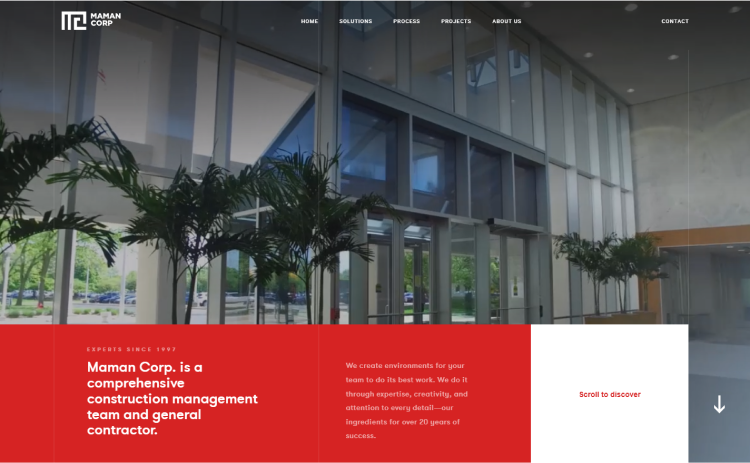 maman-corp.com
20. GM Contractors
Why it works: Dark and white construction business website design makes this site unique and eye-catching. People trust businesses that have a modern website, and GM Contractors definitely falls into that category.
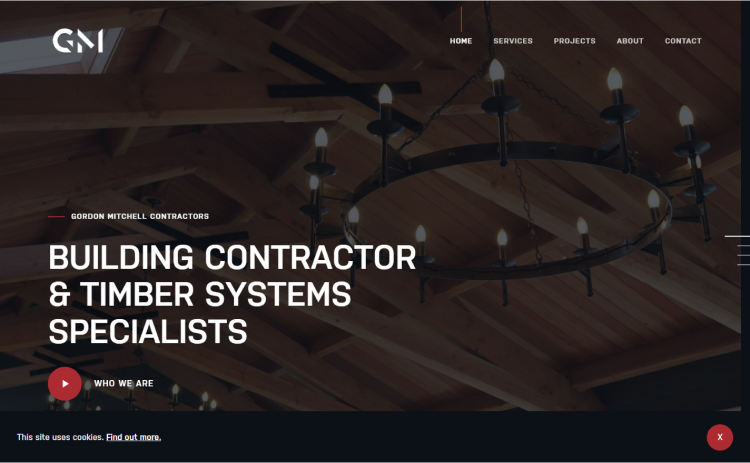 gmcontractors.co.uk
General Contractors Websites
21. Yagor Modern General Contractor
Why it works: Yagor construction website is clean and modern with a focus on the company’s work. Social media channels are prominently displayed on the website, which is a great way to connect with potential customers or other companies.
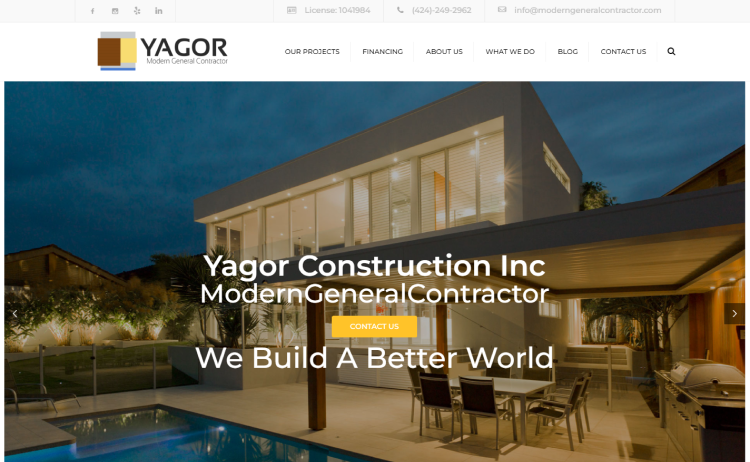 moderngeneralcontractor.com
22. Divine Builders
Why it works: Divine Builders is clean and modern. They managed to keep its site concise and easy to navigate. Their contact information is easily found which created easy access to the company’s services.
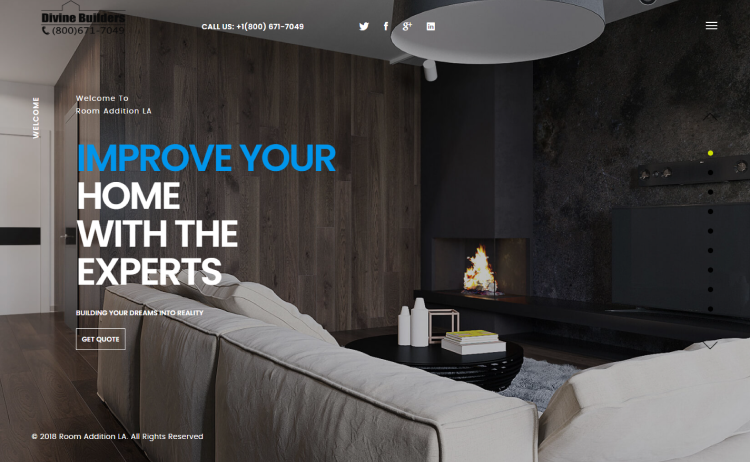 roomaddition.la
23. Groesbeck Construction
Why it works: Phone number is prominently displayed on the site, which is a great way to connect with potential customers. Clear calls to action are used throughout the site, and the overall design is clean and modern.
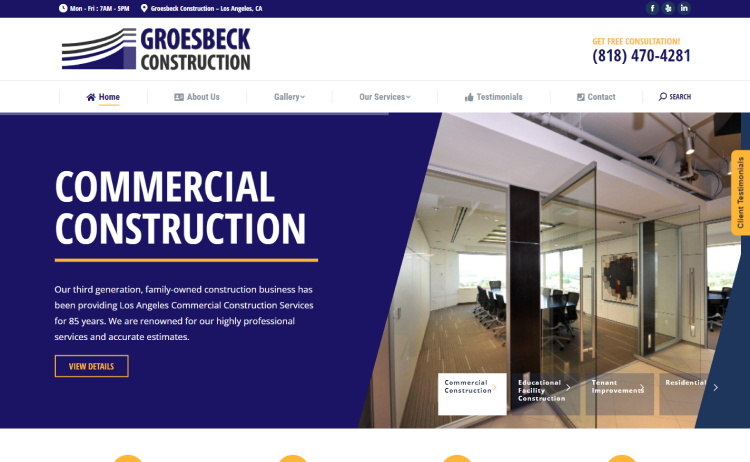 groesbeckconstruction.com
24. Cielo Construction Company
Why it works: Visitors to this site are greeted with a clean and modern design. Services are listed in an easily digestible way, and the overall tone of the site is professional. More business owners are interested in working with companies or contractors that have a strong online social media presence, and they fall into that category.
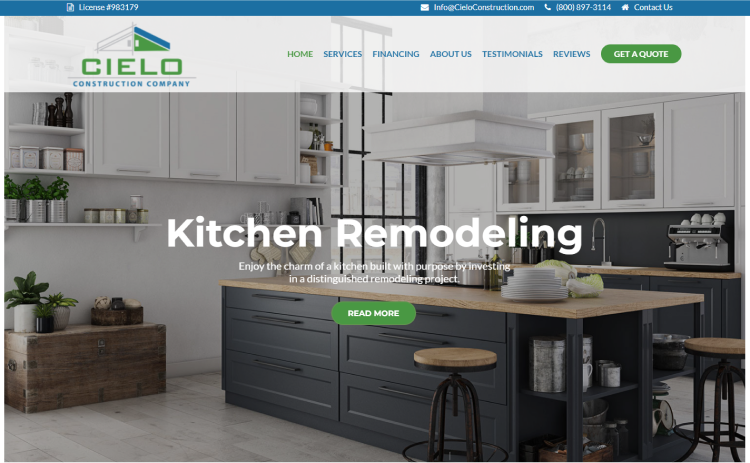 cieloconstruction.com
Website Design for General Contractors
25. The Ultimate Pro
Why it works: Large banner images are used effectively on this website to showcase the company’s past work. This is a great way of marketing and grabbing the attention of potential clients. Local businesses will appreciate the fact that The Ultimate Pro has a presence in their community.
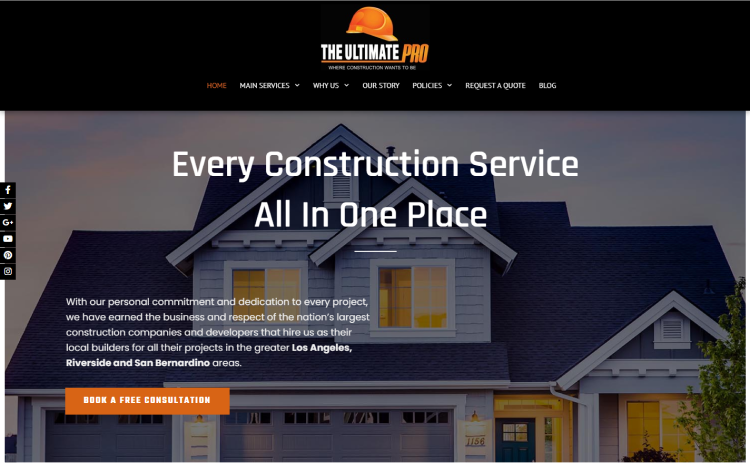 theultimatepro.com
26. Oasis Builders
Why it works: Big fonts and large images are used effectively to grab the attention of potential clients. The Blue and white color scheme give the site a modern feel. Current clients can easily find the contact information of the company.
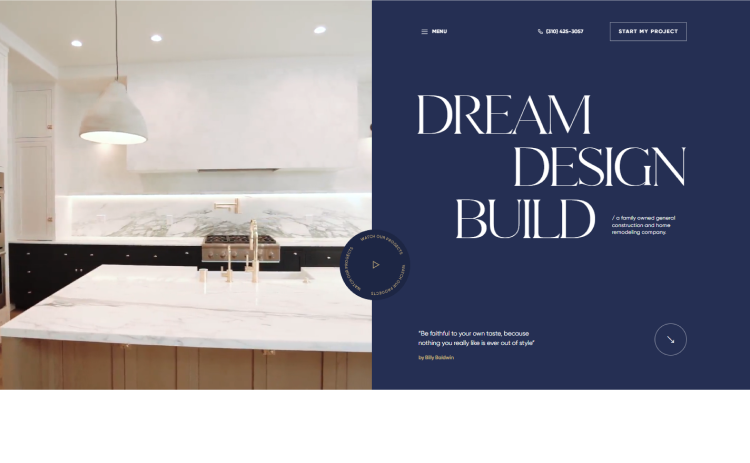 oasisbuildersinc.com
27. Goldenline Construction
Why it works: Past projects are prominently featured on this website, which is a great way to show potential clients what the company is capable of. The overall design is clean and modern, and the use of video is particularly effective. The contact page or form is prominently displayed on the homepage, making it easy for visitors to get in touch with the company.
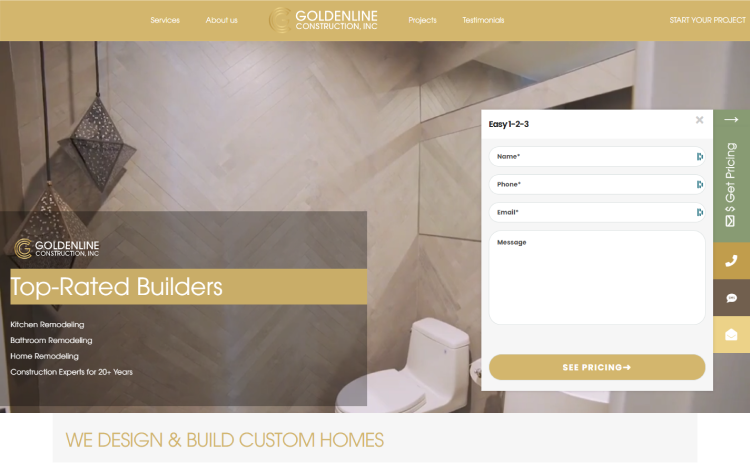 goldenlineconstruction.com
28. Oma Construction
Why it works: Video is used effectively for marketing and in giving potential clients an idea of what the company does. The overall design is clean and modern, and services are listed in an easily digestible way.
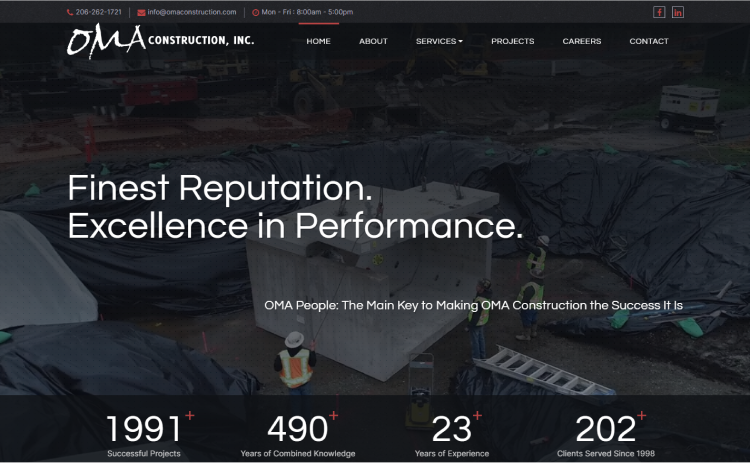 omaconstruction.com
General Contractors Website
29. Site Work Solutions
Why it works: This website is a great example of simplicity. Construction businesses need to have a strong online presence, and Site Work Solutions has that. The overall page design is clean and modern.
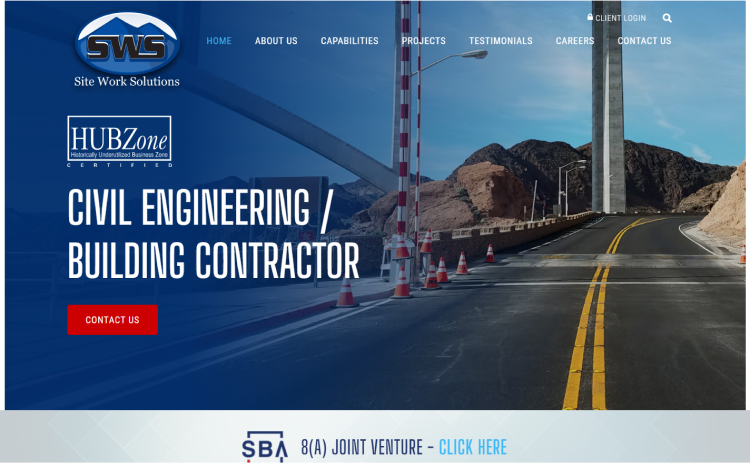 swsgc.com
30. Rodan Builders
Why it works: The company’s past work is prominently featured on the site, which is a great way for marketing. Rodan Builders has managed to create a site that is both professional and modern.
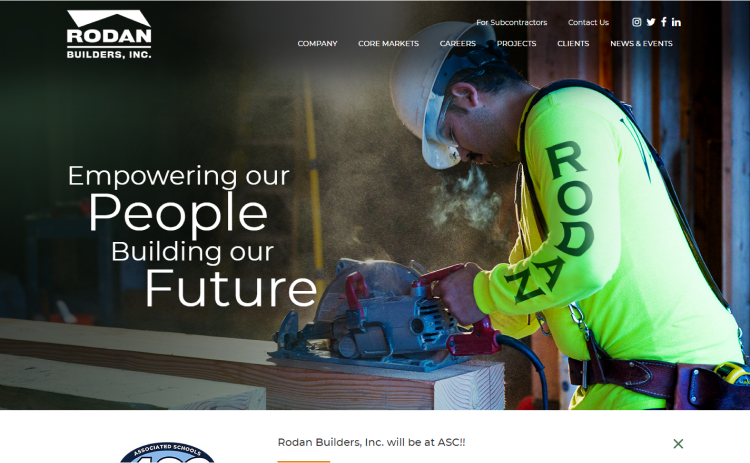 rodanbuilders.com
31. Cannon Constructors
Why it works: Home remodeling is a popular service, and Cannon Constructors offers that. The top services of the team are listed on the homepage, and there is a clear call to action for visitors to contact the company.
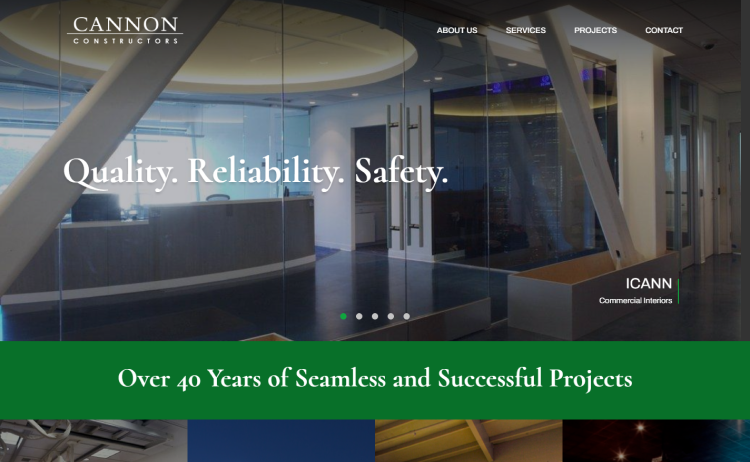 cannongroup.com
32. The Whitehouse Group
Why it works: This contractor specializes in luxury homes but also offers general contracting services. The web design is luxurious and modern, which is fitting for the type of homes that the company team builds. The overall tone of the site is professional and polished.
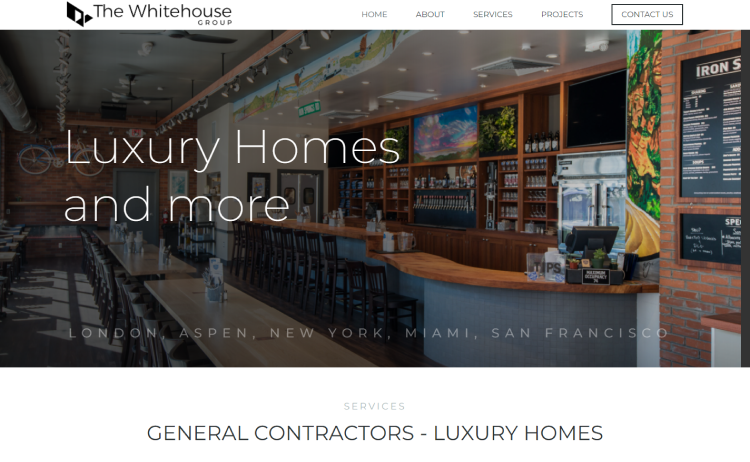
General Contracting Company Website
33. SI Engineering
Why it works: SI Engineering has a lot of content, but it is still easy to navigate. This is thanks to the use of clear headings and subheadings. The company has a strong online presence and can showcase its past projects effectively.
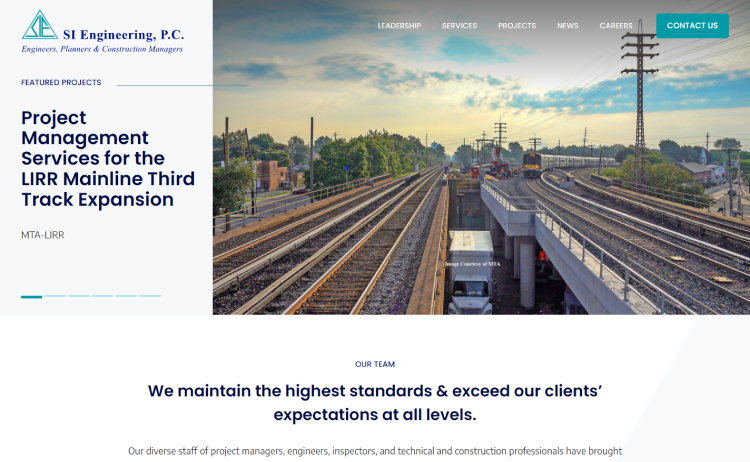 siengineering.com
34. Future Vision Remodeling
Why it works: Use of icons is effective on this website. Saving time and getting a quote are two of the most important things that potential new clients want to know, and Future Vision prominently displays those on its page. The overall tone of the site is modern and professional.
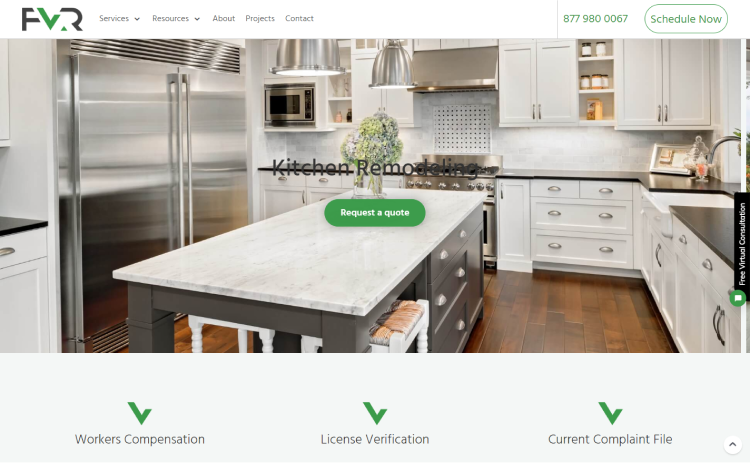 futurevisionremodeling.com
35. Bartlett Cocke
Why it works: Call-to-action is prominently displayed on their page, which are a few ways for marketing in the construction industry. The website uses a minimalistic approach, which is effective in conveying the company’s professionalism. And the use of icons is also effective in marketing their services.
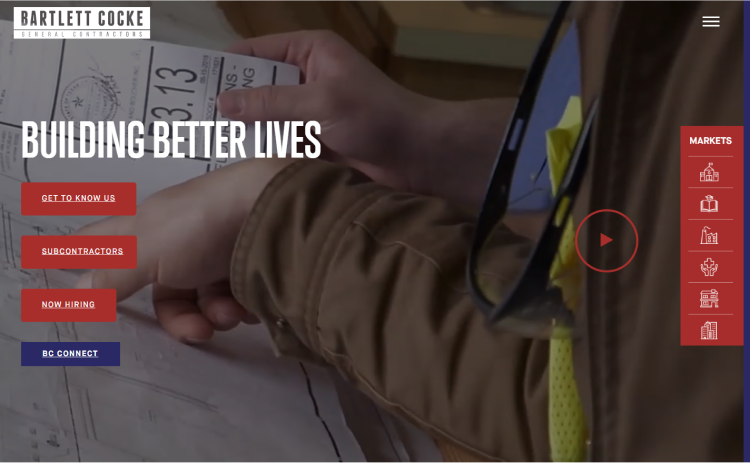 bartlettcocke.com
36. Joeris
Why it works: Simple and minimalistic website design. Joeris uses a blue and white color scheme, which gives the site a modern feel. The image slider on the homepage is a great way to showcase the company’s business process and service.
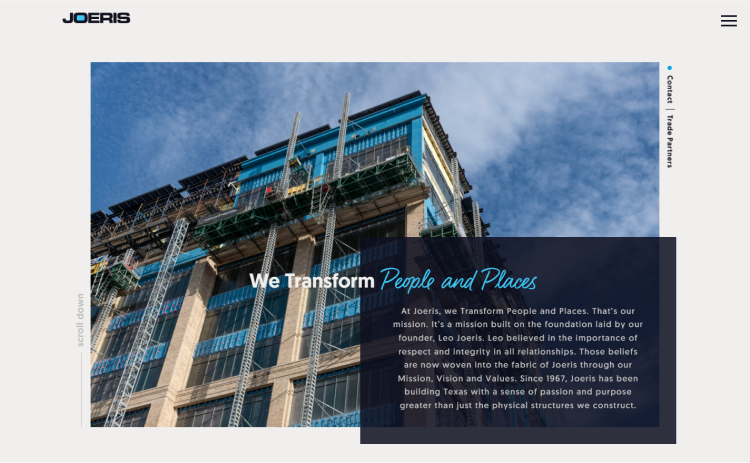 joeris.com
General Contractor Website Ideas
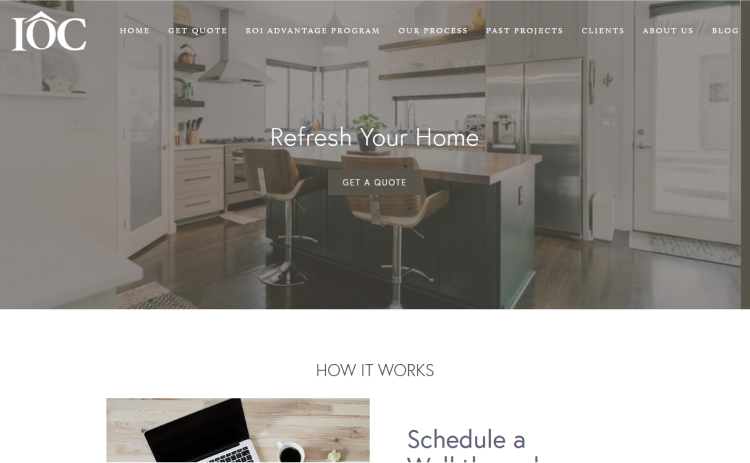
37. IOR Construction
Why it works: The page layout on the website is well-thought-out and makes it easy for visitors to find what they’re looking for.
 iorconstruction.com
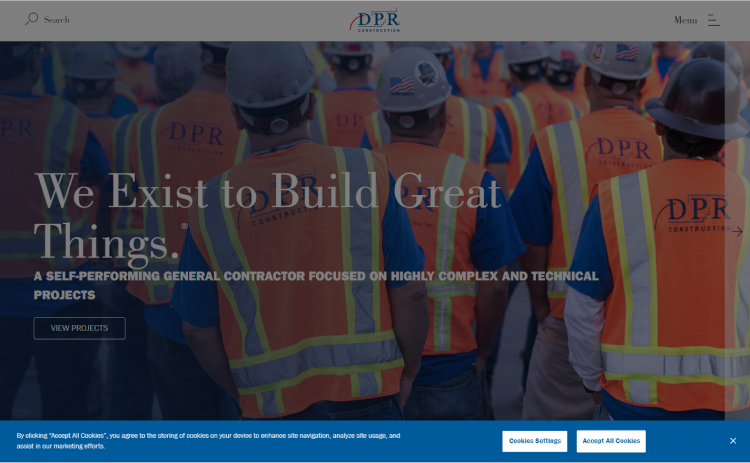
38. DPR Construction
Why it works: Using a big image slider is a unique way to showcase its services and work on the website. This is a great way for marketing and grabbing the attention of potential customers and getting them interested in the construction business.
 dpr.com
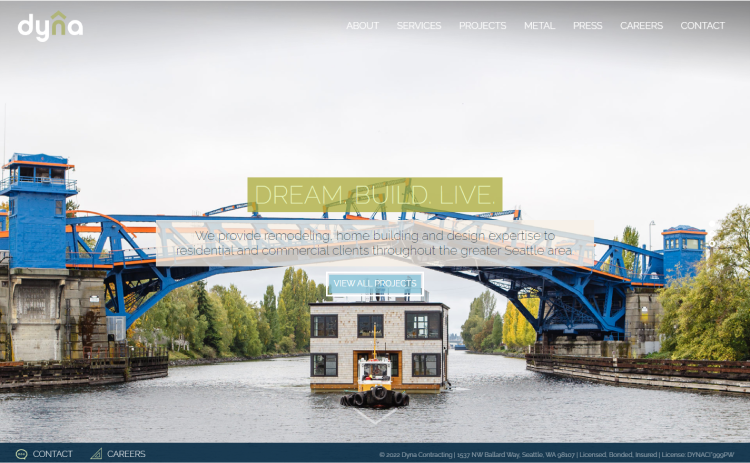
39. Dyna
Why it works: Parallax transition effect is used on this website. This creates a nice visual effect that is pleasing to the eye.
 dynacontracting.com
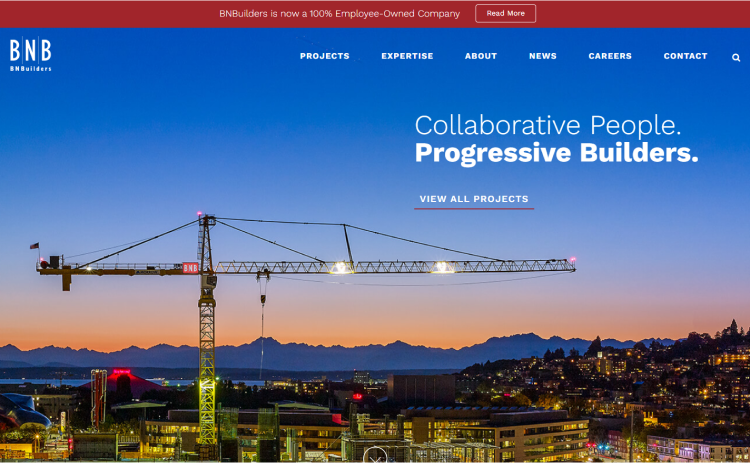
40. BNB Builders
Why it works: Colors used on this site design are very modern and sleek. The overall design of the site is professional and polished. Quality photos are used throughout the site to showcase the company’s work.
 bnbuilders.com
Conclusion
There are many factors to consider when designing a general construction website. The list above provides some great examples of general construction website designs that are effective in communicating their company’s process and services.
If you need help designing, developing, and improving the search engine optimization of your general construction websites, contact us today! We would be happy to assist you in creating a site that is effective in marketing your company, attracts new clients, and will appear on search engines.
We will design a custom mockup of your new website before you sign or pay for anything. There is nothing to sign and no payment information will be taken. If you like our design for your business we can move forward working together. If not, there are no hard feelings and no other obligations.
That’s right. There is no hassle and no risk. What do you have to lose? To find out what’s possible, just click below and learn more about our Free Mockup Offer.