Are you in need of Carpet Cleaning Website design inspiration? If so, then this list is for you! We have compiled a list of 40 Carpet Cleaning Websites that we think are the best. These carpet cleaning businesses all use great designs and layouts with plenty of creative ideas to inspire your next project. Check out our list below and be sure to share it with friends who might benefit from these designs as well!
1. Good & Clean
Why it works: Cool hover effects, generous quality photos, and well-organized content. Their services such as carpet, upholstery, tile and grout cleaning are easily accessible on the homepage.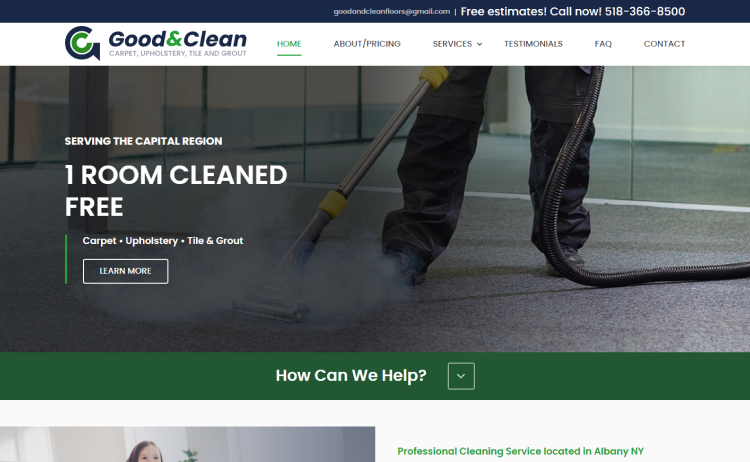
gogoodandclean.com
2. Ecodry
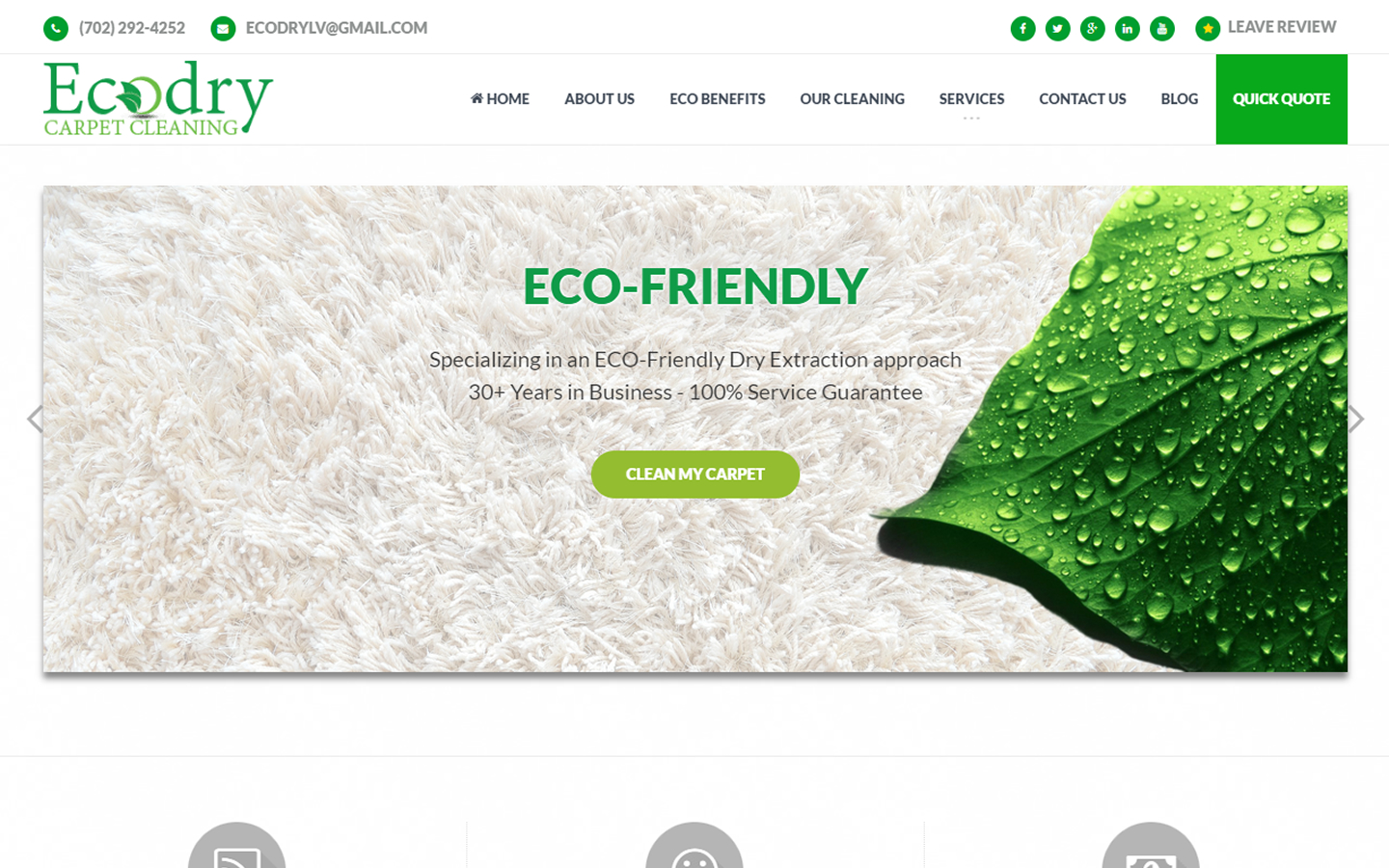
Why it works: This Carpet cleaning website has a more traditional design but it is still well-designed and easy to navigate. The services page is especially well-done and provides potential customers with all the information they need to know about the company’s services, business hours and contact information.
ecodrycarpetcleaninglv.com
3. SteamPro
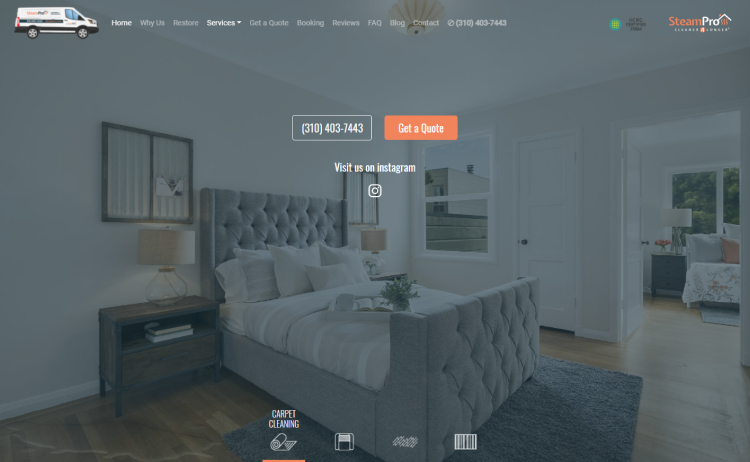
Why it works: The contact information and a Get a Quote button stand out in the header. This business uses a categorized image gallery to list their services on the homepage.
4. All Green
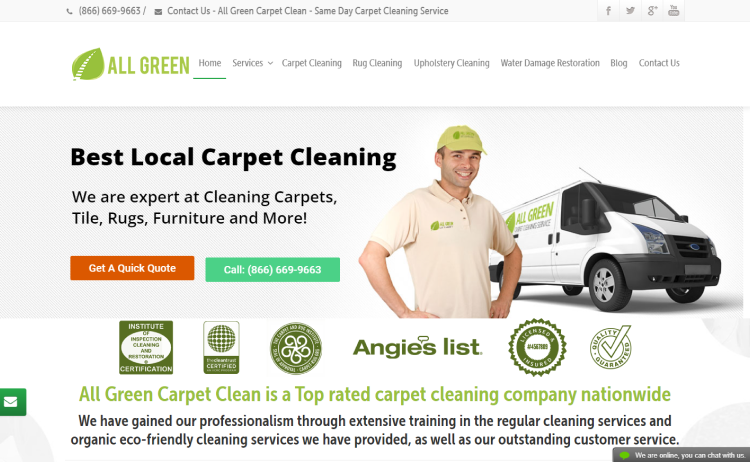
Why it works: Despite the somewhat traditional layout, this website joins our list because of the pleasant user experience it caters to its readers. Despite the common layout, the splatters of colors here and there pulls the website experience away from boredom.
allgreencarpetclean.com
Best Carpet Cleaning Websites
5. TM Q Certified
Why it works: There are a lot of visuals, but the homepage is easy to navigate. The content is well organized with all the information necessary available on the homepage. There are primary and secondary navigation menus in the header.
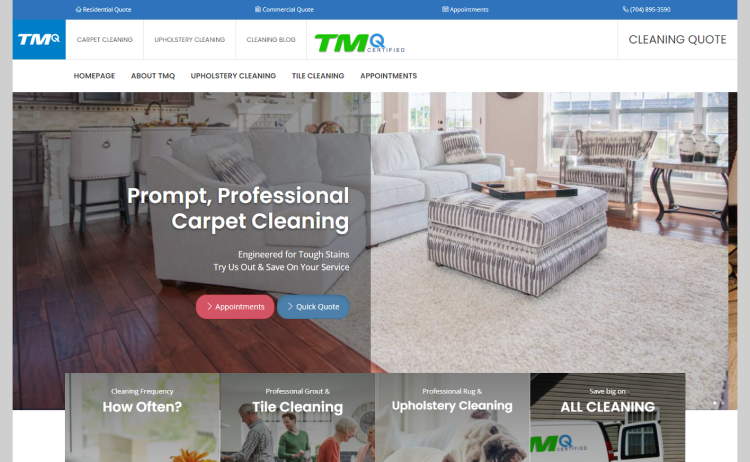
tmqcarpetcleaning.com
6. Clean Carpet Rx
Why it works: The web design of the homepage is captivating, using a family-oriented photo. The brand backs their reasons up with eco credentials and customer ratings.
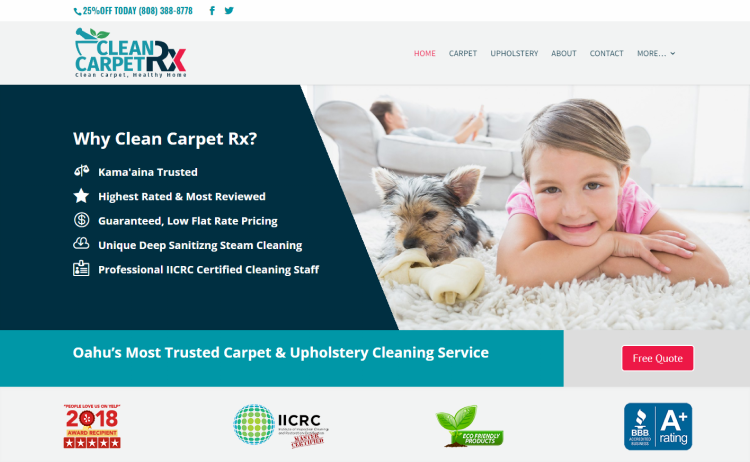
cleancarpetrx.com
7. San Francisco Eco Green Cleaners
Why it works: The design is very innovative, modern, and minimal. Much more, we love how the phone number and contact form are accessible on the homepage.
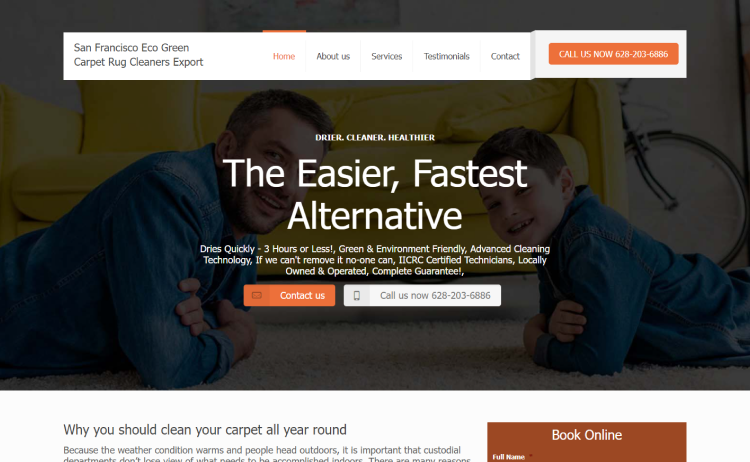
sanfranciscoecogreencleaners.com
8. Rug Doctor
Why it works: The homepage includes an image slider that spotlights their professional-level cleaning machines. It captures the attention of the site’s visitors straight away.
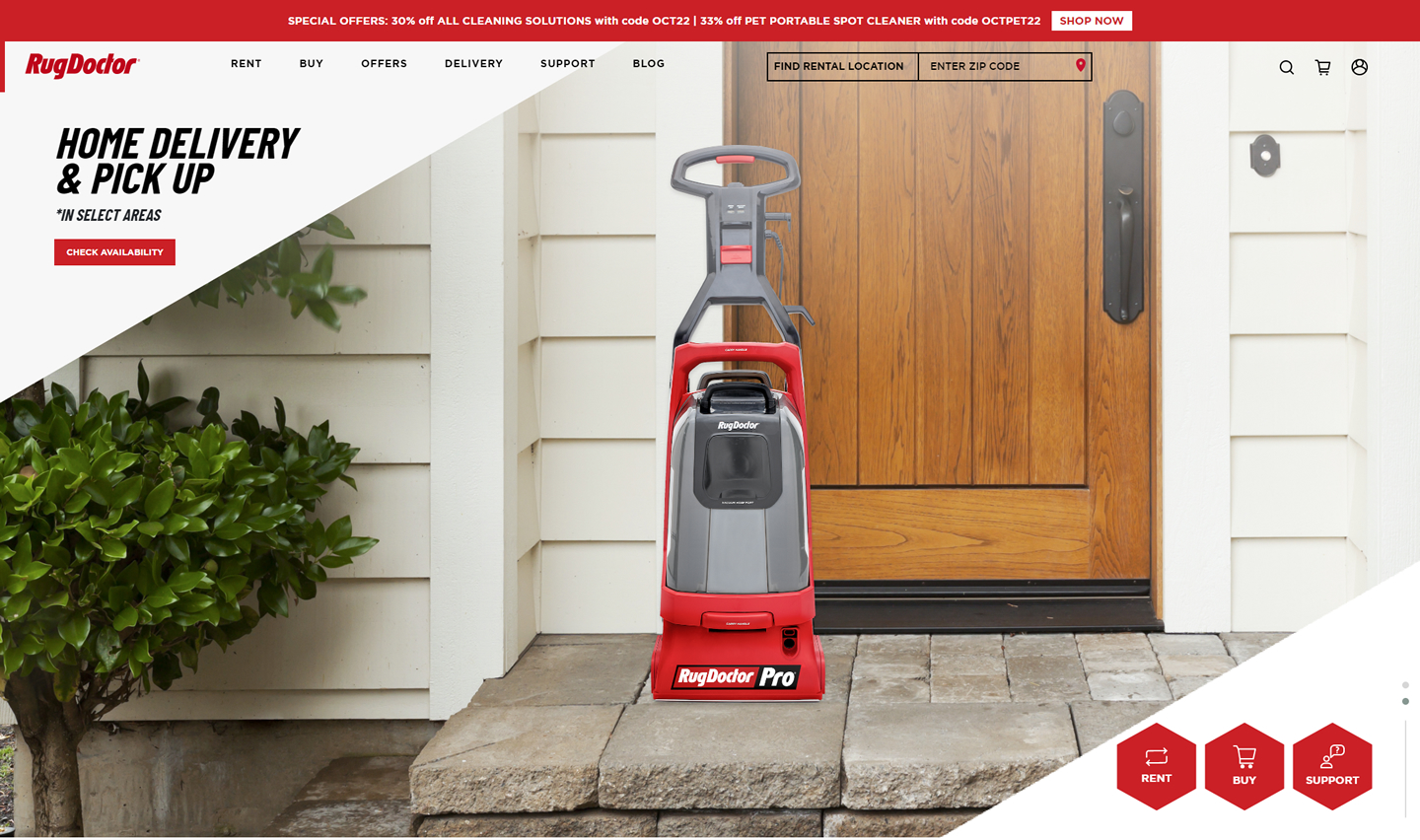
rugdoctor.com
Best Carpet Cleaning Web Design
9. Cleanerific
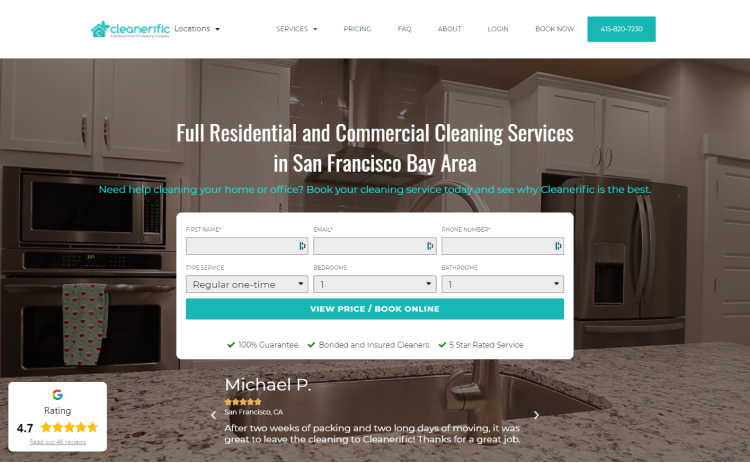
Why it works: This website’s design is very straightforward. It doesn’t have any frills, but it still looks professional. The call to action button and the contact form are easily accessible.
cleanerific.com
10. JD Dixon
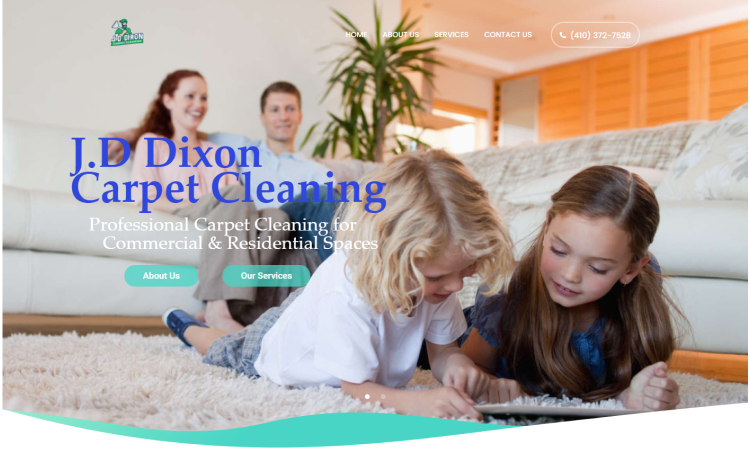
Why it works: High-quality images and good use of CTA buttons. It also benefits from a frequently asked questions section, free resources and easy navigation.
jddixon.com
11. Bio-Clean
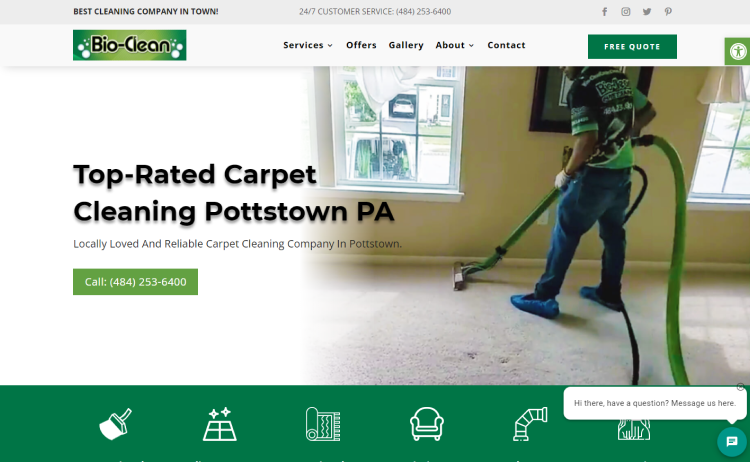
Why it works: The main colors, white and green, match the brand’s eco-friendly vision. New clients can easily find customer testimonials that builds trust.
bio-cleancarpetcleaning.com
12. Healthy Carpets
Why it works: Such an uncomplicated yet elegant site! What catches more of our attention is the site’s use of subtle animations that bring its cute illustrations to life.
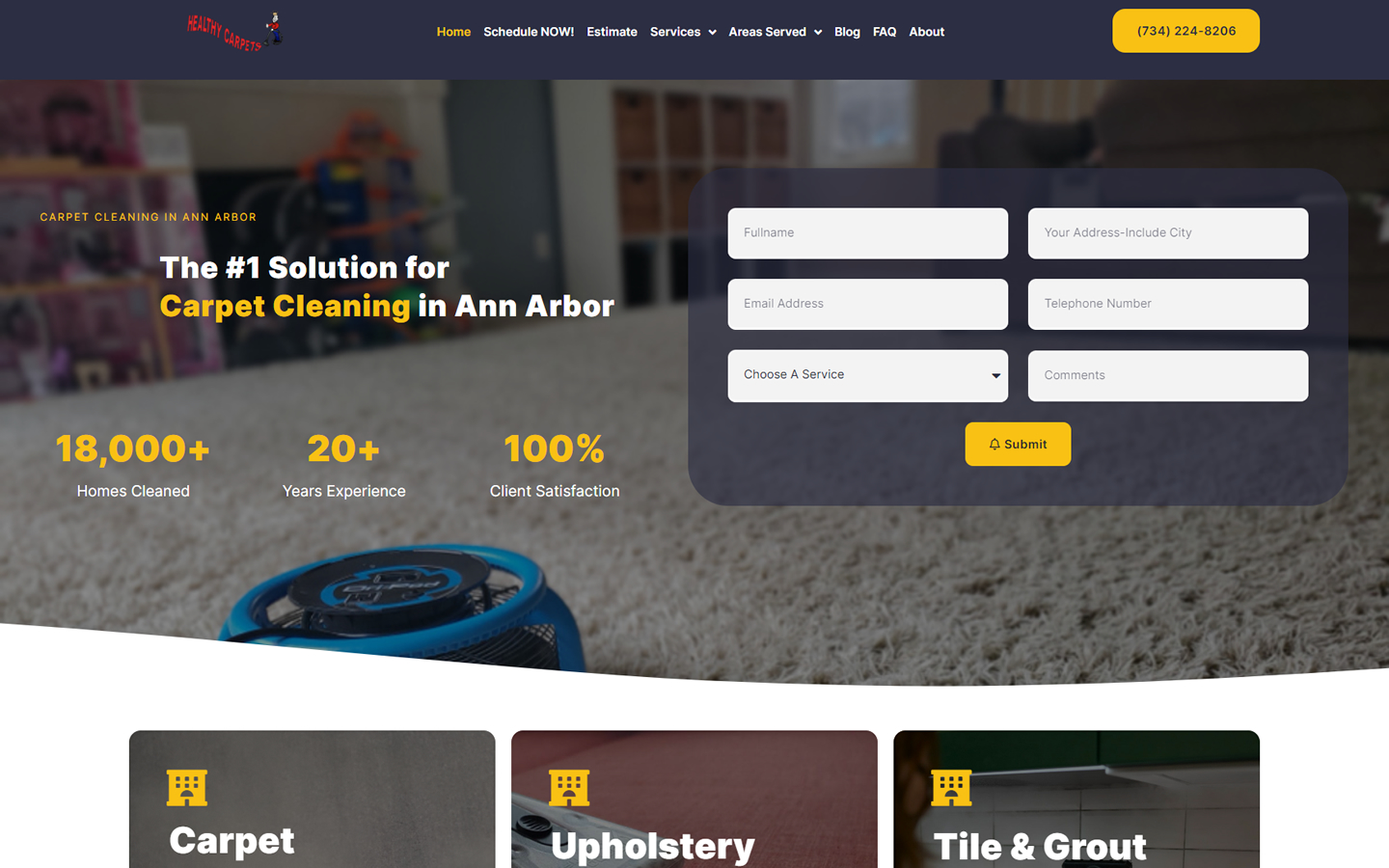
healthycarpetsnow.com
Carpet Cleaning Website Inspirations
13. Xtreme Cleaning
Why it works: One great example of a modern-looking carpet cleaning website. The texts are very clear and easy to the eyes, the background is very custom and invigorating, and the layout is tack-sharp.
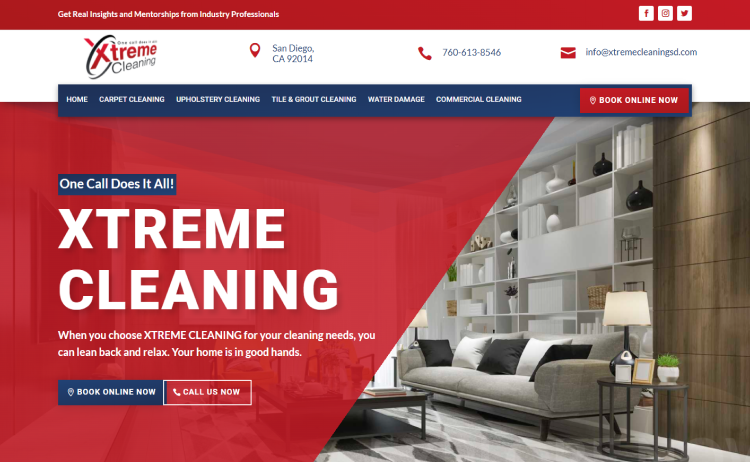
xtremecleaningsd.com
14. Berry Clean
Why it works: Simple text and image combination layout which bring this site clean, breathable, and minimalist. The way they showcase their works on the homepage is simple yet full of impact.
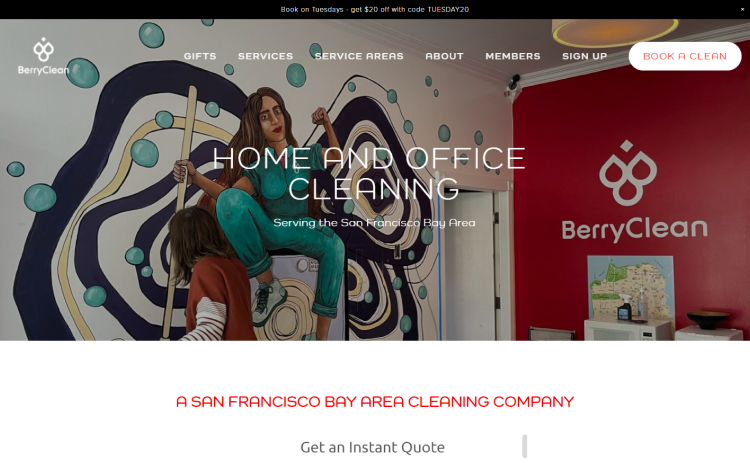
berryclean.com
15. We Clean Carpet
Why it works: There’s a lot to love in this website, but one standout is how creatively they utilized the yellow color, which is pretty hard to handle design-wise. The layout is also never boring from top to bottom, making it worthy of a position in this list.
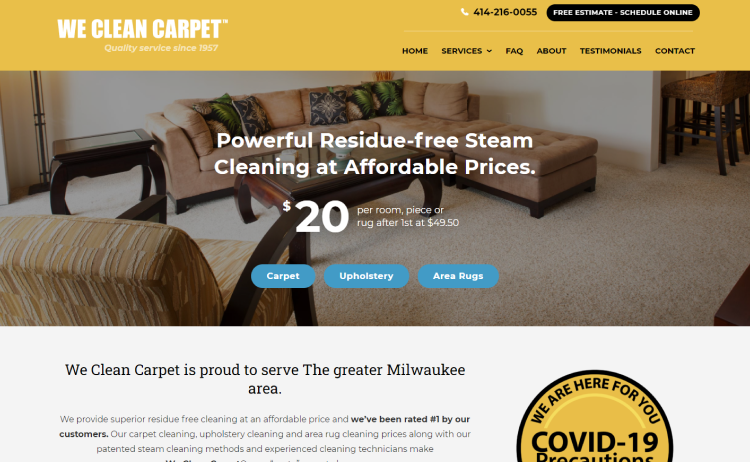
wecleancarpetmilwaukee.com
16. Excellent Carpet Cleaning
Why it works: This is a great way of showing how a design can be minimal and simple without losing the quality of work.
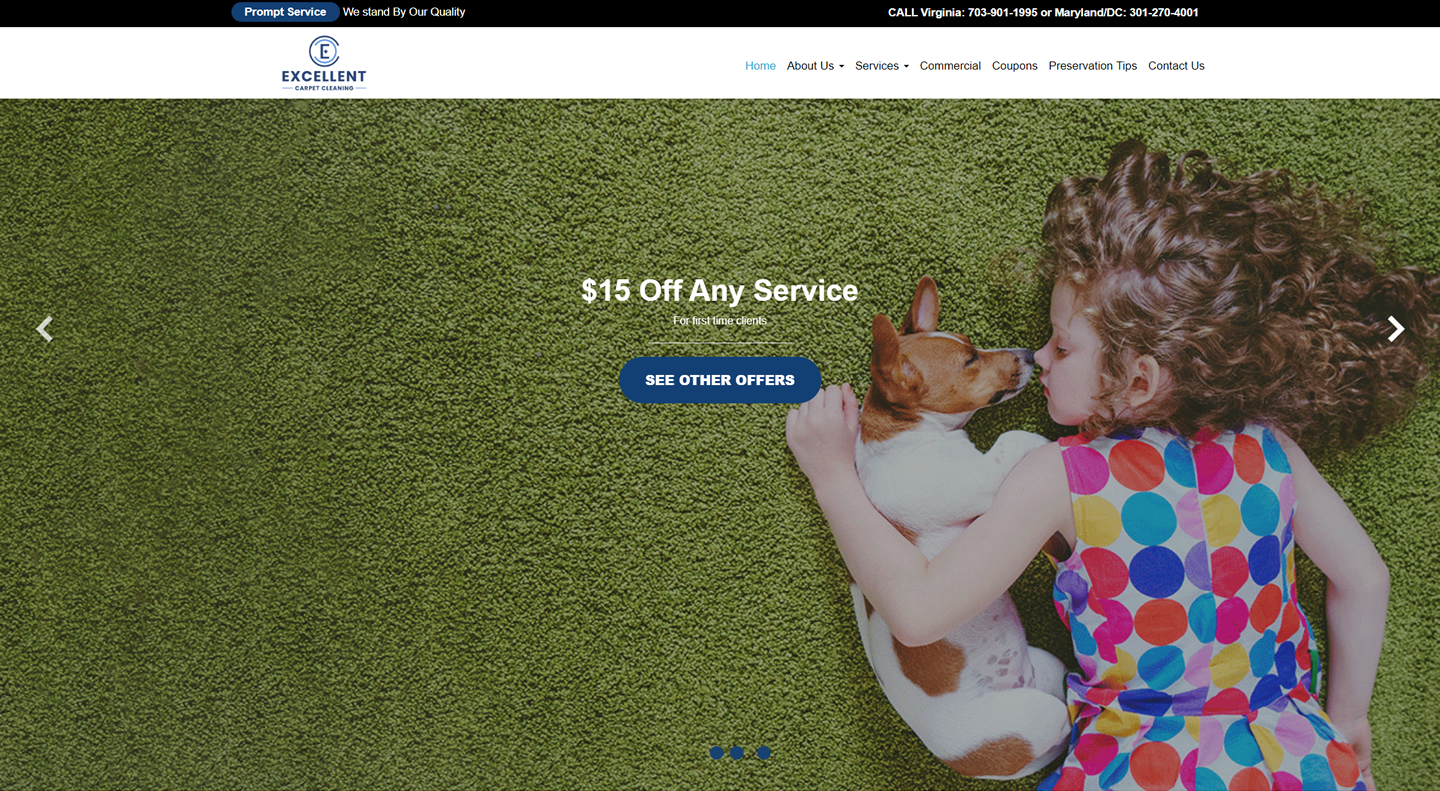
excellentcarpetcleaning.net
Well-Designed Carpet Cleaning Websites
17. TPI Cleaning Services
Why it works: If you aim for a website that is chic, simple, but very personal to your target audience, consider looking at this website design. There’s a lot of places to go to within this website, and for sure, despite the simple look, you can be ensured of a quality service that fits your needs
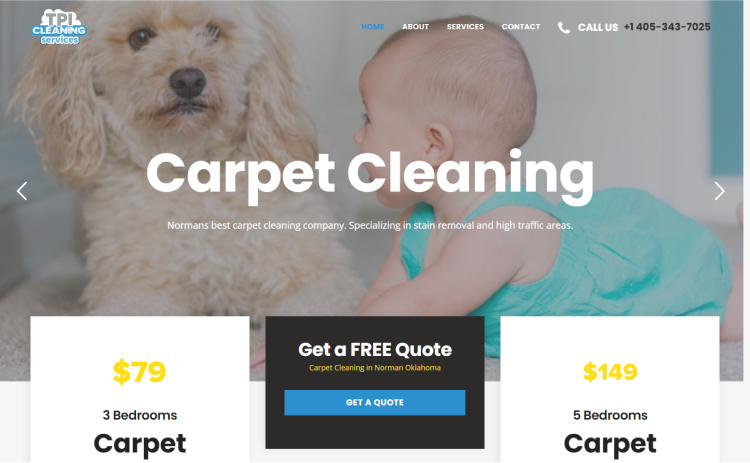
tpicarpetcleaning.com
18. Affordable Joe’s
Why it works: We like the use of graphical buttons on its main page to showcase its various services. We were drawn also to Affordable Joe’s website for its colors and design. The orange and brown colors are used throughout the site and create consistency.
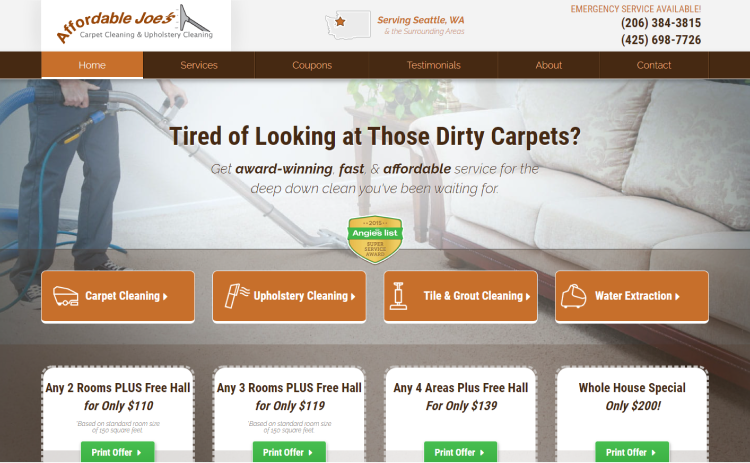
affordablejoes.com
19. AAA Steam Carpet Cleaning
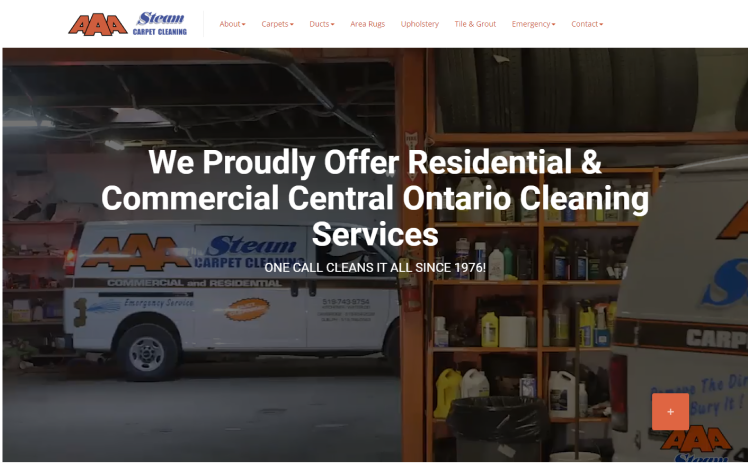
Why it works: There are a lot of visuals, but the homepage is easy to navigate.
The content is well organized. There are primary and secondary navigation menus in the header.
aaa-clean.ca
20. Rug Doctor New Zealand
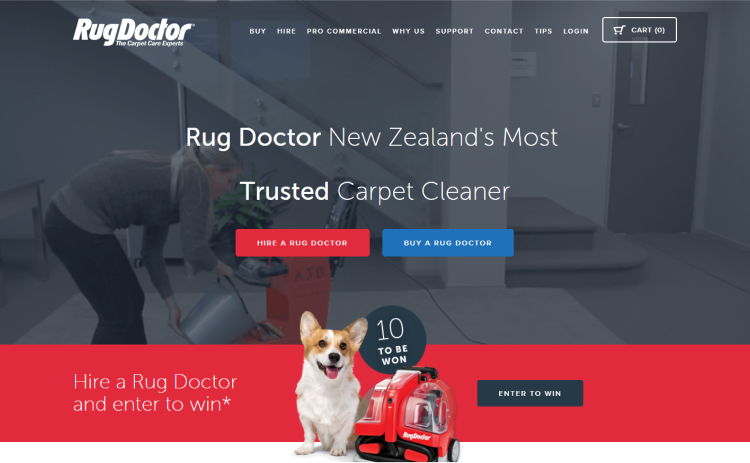
Why it works: Unique color scheme and theme for the website, highly generous with content in all pages
rugdoctor.co.nz
Top Carpet Cleaning Websites
21. GreenClean
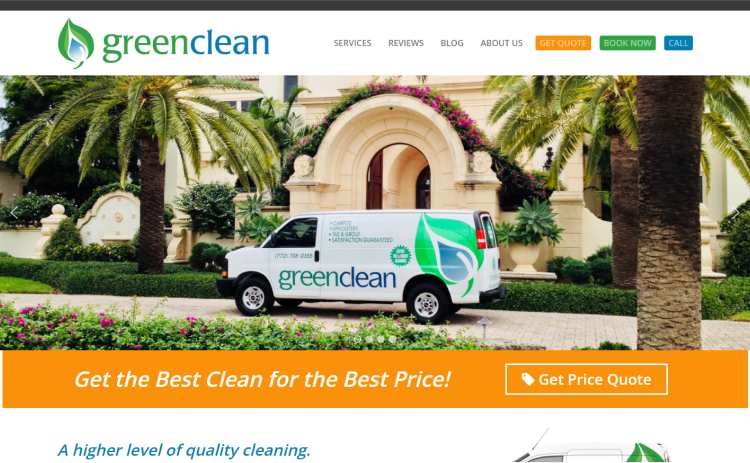
Why it works: A good example of what a ‘home page’ should be. It houses all the most important and relevant links in the most friendly manner without being monotonous.
greencleanfl.com
22. Aroma Services
Why it works: We admire originality, and this website is nothing short of original and artistic. The layout alone speaks much about the quality of the services they provide.
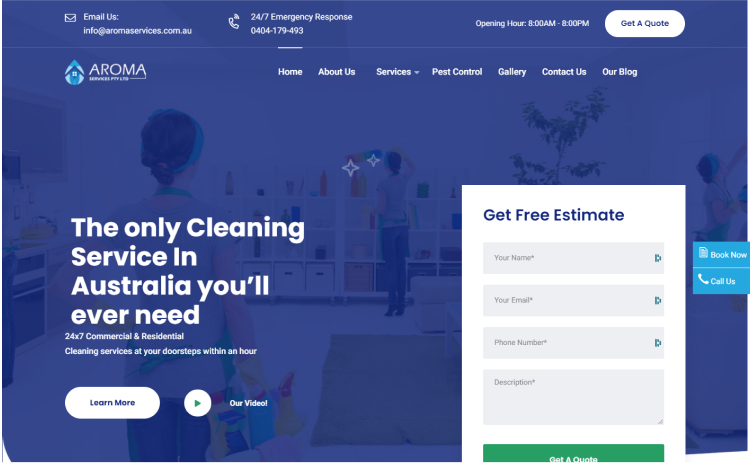
aromaservices.com.au
23. Men in White
Why it works: A good balance of aesthetics, usability, contrast, and ease of use. Very professional.
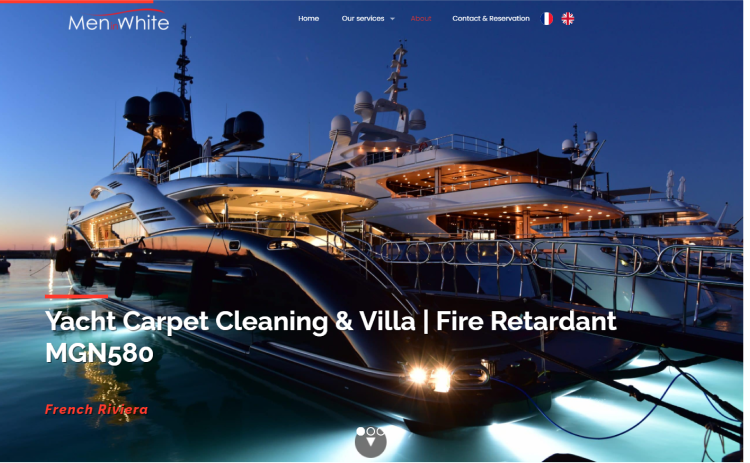
men-in-white.com
24. Andersens
Why it works: This website design looks like a template, but it’s not. We love it because of how clean and organized each section and element is laid on the canvas.
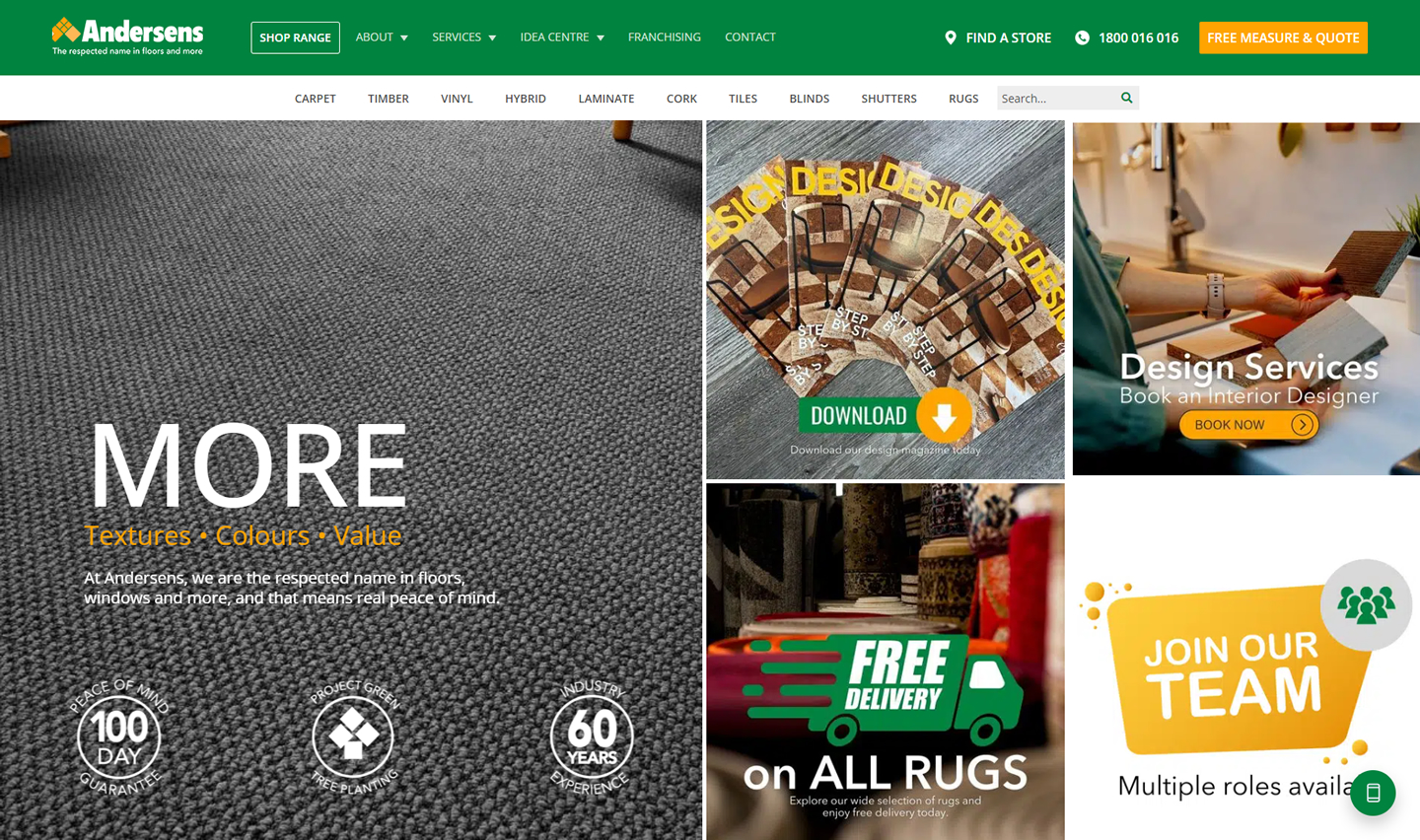
andersens.com.au
Beautiful Carpet Cleaning Sites
25. Inter-nett
Why it works: Looking at the design alone, one can easily tell that the company is well-established, serious in their business, and capable in their confidence.
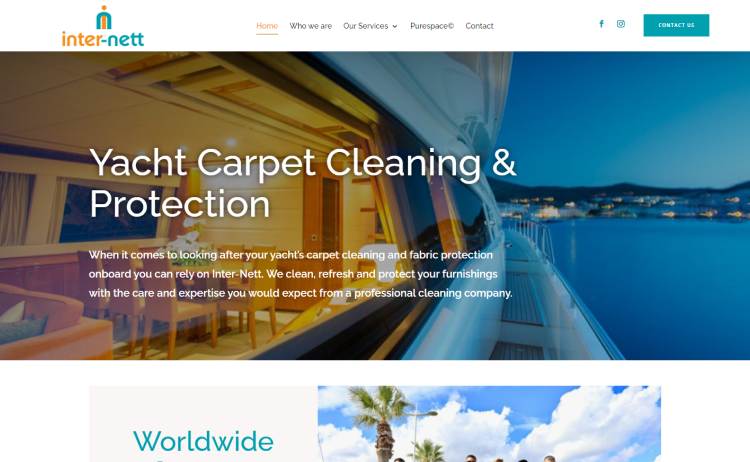
internettmonaco.com
26. MyHome
Why it works: The biggest thing we love about this website design is the very bold statement of what they do without the need to dig in deeper. The colors are popped out well, too.
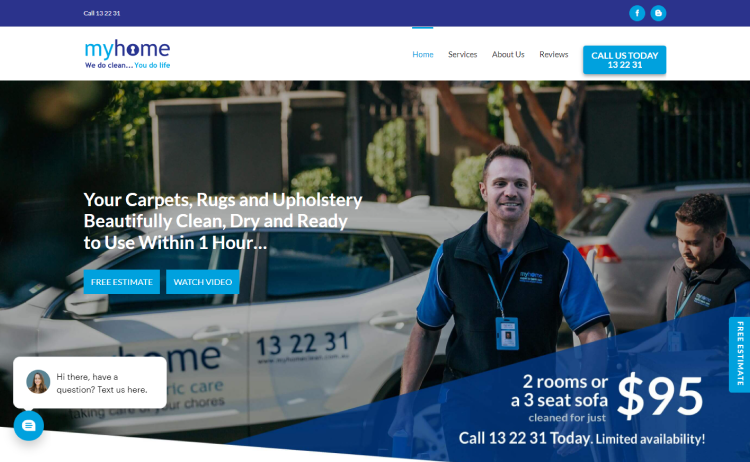
myhomecarpetcleaning.com.au
27. Logan Carpet Cleaning
Why it works: The typefaces are sleek and very clear, the images used are right to the point, and the use of shapes is second to none.
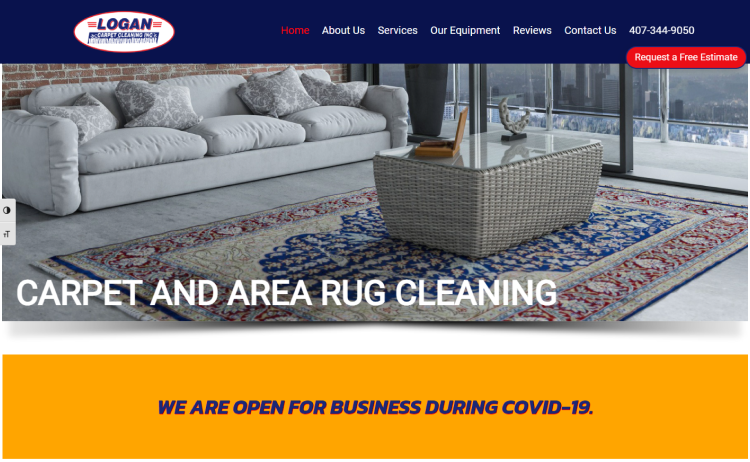
28. Anytime Carpet Cleaning
Why it works: The clean presentation of the header is just top-notch, especially the CTA which popped beautifully for extra visibility. The layout is clean, easy to use, and stripped of any visual clutter.
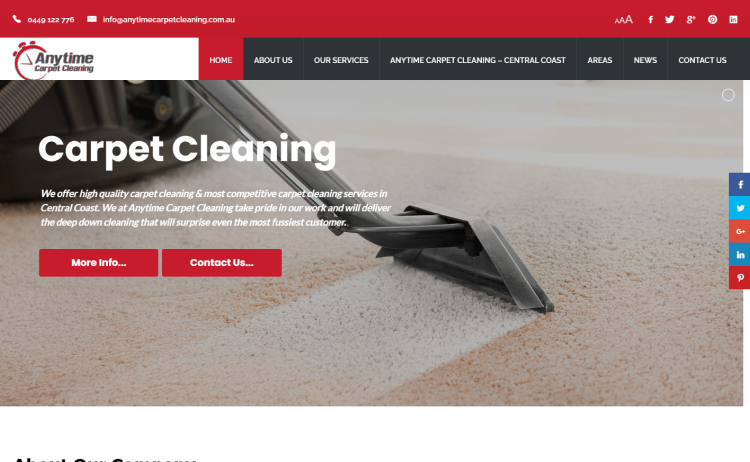
anytimecarpetcleaning.com.au
Carpet Cleaning Contractor Websites
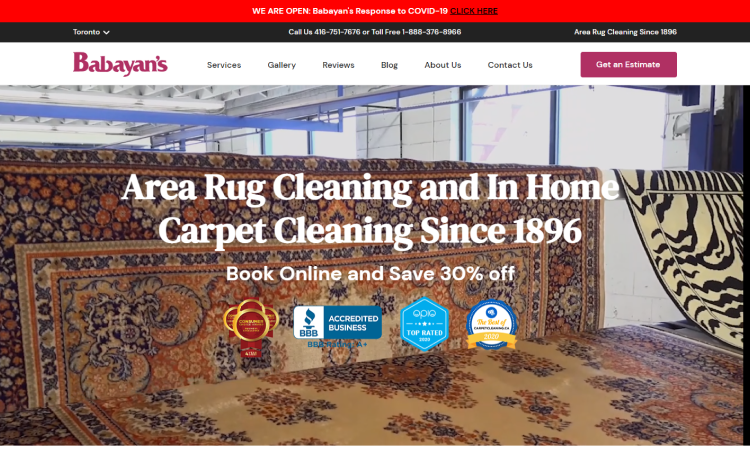
29. Babayans
Why it works: The hero video background contains a lot of energy which breaks the ice of the usual Carpet cleaning website look and feel. We also love the very intuitive layout ready to serve different audiences.
babayans.com
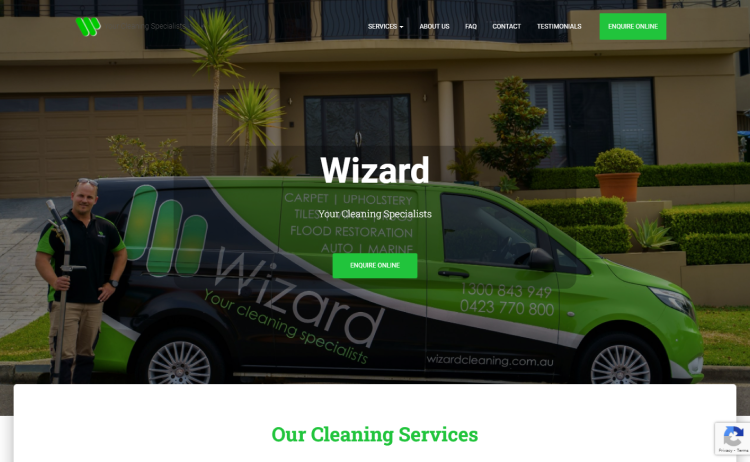
30. Wizard Carpet Cleaning
Why it works: While the website design of Wizard Carpet Cleaning is simple and compact, we love how exceptionally clean it is. The quantity of good images is also a strong selling point.
wizardcarpetcleaning.com.au
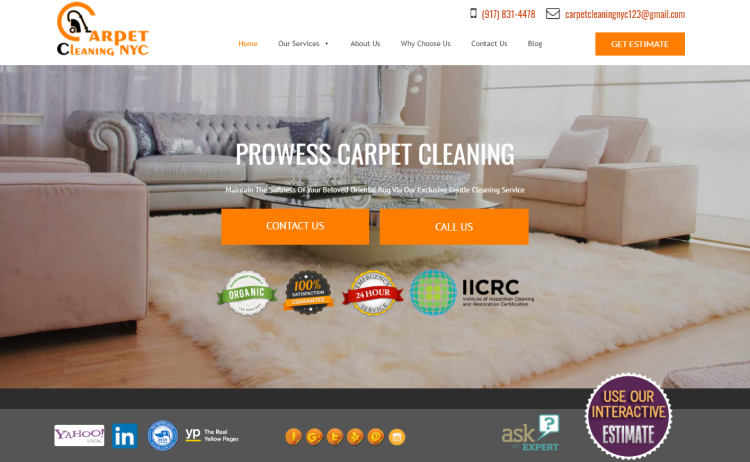
31. Carpet Cleaning NYC
Why it works: We love this website design because of how silky it is despite being simple. The colors are calm and easy on the eyes. The texts are down to the minimum to maintain readability.
topcarpetcarenyc.com
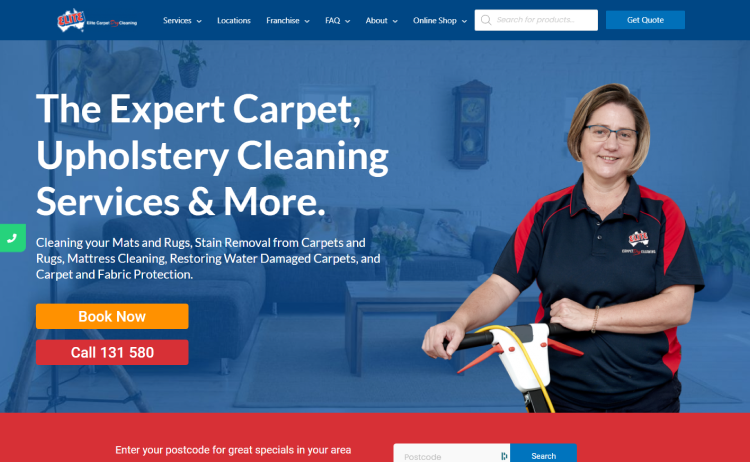
32. Elite Carpet Dry Cleaning
Why it works: Perhaps the strongest impact on this list is the website of Elite Carpet. We love the bold, contrasting texts throughout the website. The layout of the content is also unique and very interesting.
elite.com.au
Best Websites for Carpet Cleaning
33. Love Your Rug
Why it works: Very bold and modern layout without the usual weight of bulky websites. We also love the very legible texts and the friendly images that greet you at first glance.
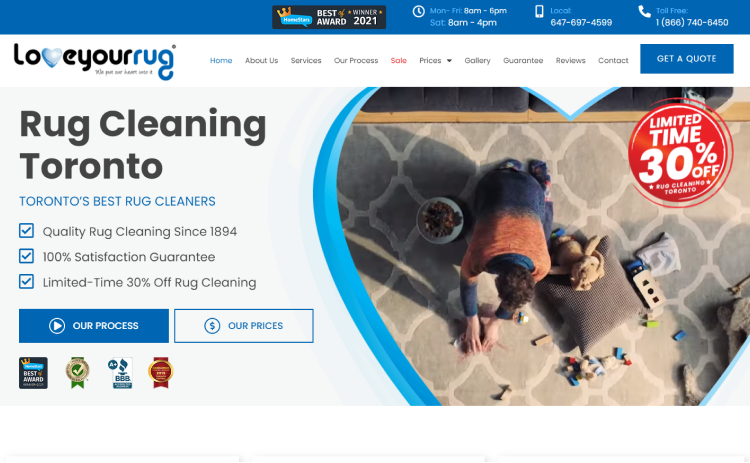
loveyourrug.ca
34. Carpet Cleaners
Why it works: Aside from the obvious points like good visuals and a silky smooth layout, we also totally love the images of people in cleaning form, which makes the website design very memorable.
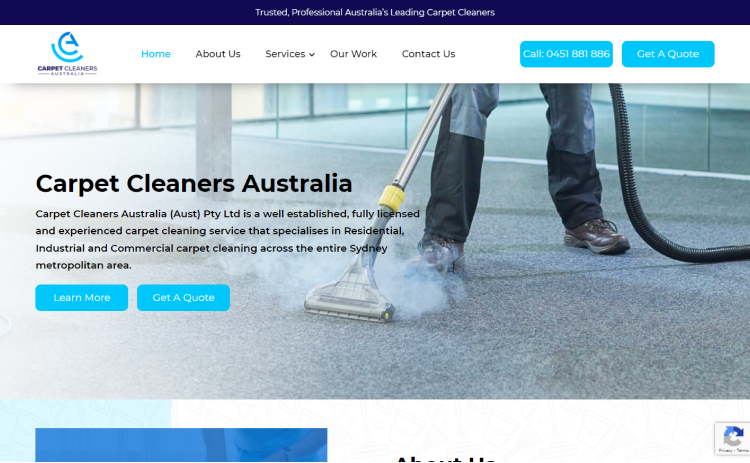
carpetcleanersaust.com.au
35. LaFrance Cleaning Solutions
Why it works: Simple but very professional. No signs of overdo. We love how the design manages to deliver heavy content in chunks, all while still being pleasing to the eyes and experience.
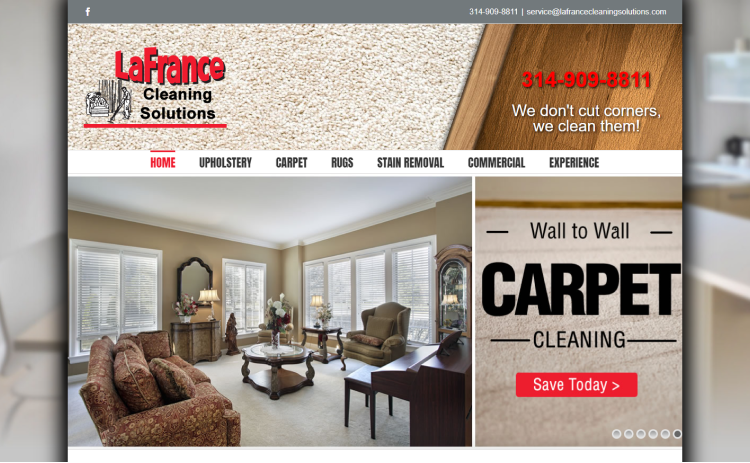
lafrancecleaningsolutions.com
36. Electrodry Carpet Dry Cleaning
Why it works: Another modern type of website design, but in a more minimal way. We love the services section where they use imagery and box in a clean light backdrop.
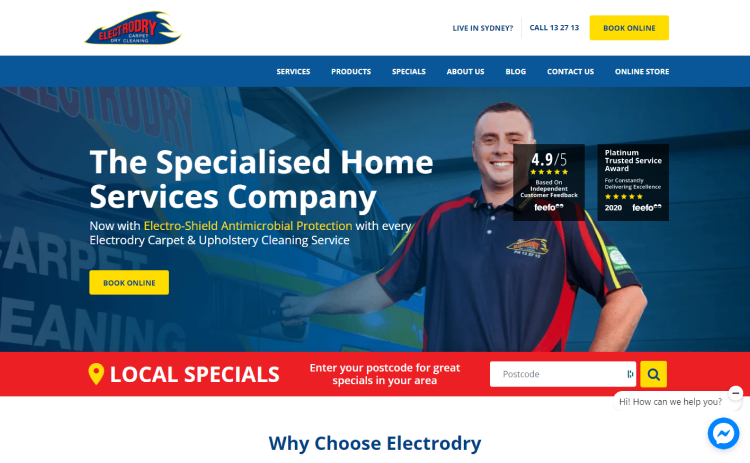
electrodry.com.au
Carpet Cleaning Best Websites
37. NJ Carpet Steamers
Why it works: Simple but efficient. There’s no flashy graphics or pop-ups here that would distract you, but just a sweet experience that hits the mark very well.
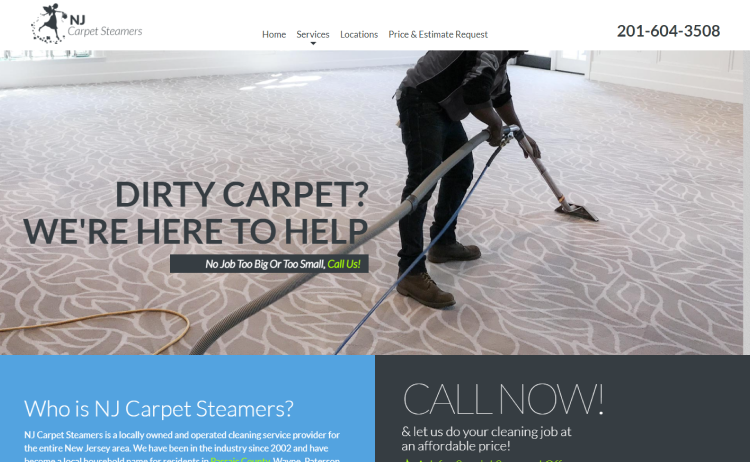
njcarpetsteamers.com
38. Nice Threads Carpet Cleaning
Why it works: If you aim for a website that is chic, simple, but very personal to your target audience, consider looking at this website design. There are a lot of places to go to within this website, and for sure, despite the simple look, you can be ensured of a quality service that fits your needs.
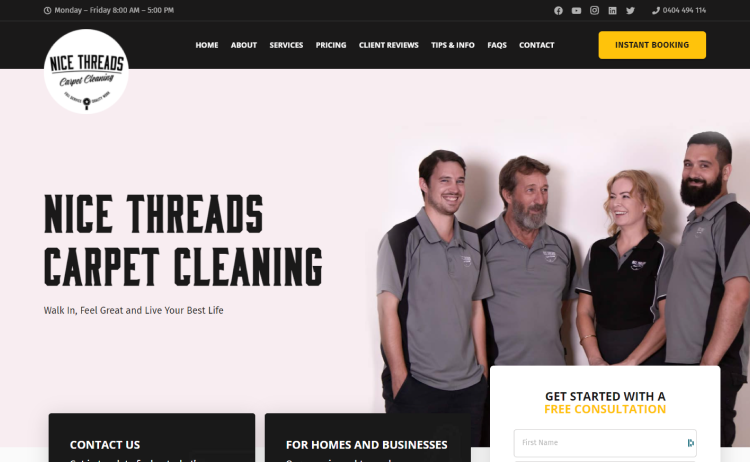
nicethreads.com.au
39. ChemDry Florida
Why it works: An unconventional layout that possesses an original and strong personality and branding.
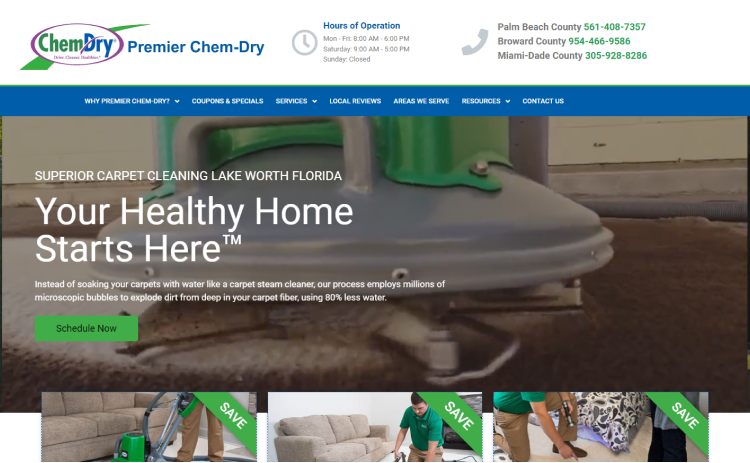
premierchemdry.com
40. Bayshore Carpet & Upholstery Cleaning
Why it works: Serious look and feel that returns trust and business, easy to navigate. Potential customers will surely appreciate the different services listed upfront like upholstery and area rug cleaning.
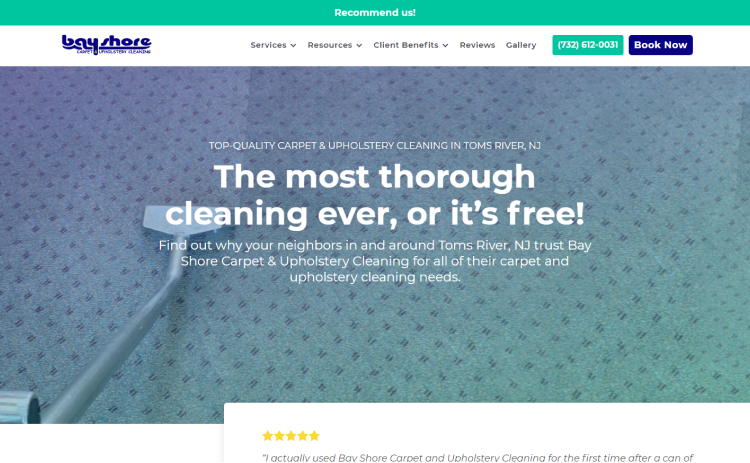
bayshorecarpetcleaning.com
Carpet Cleaning Website Examples
Conclusion
Creating an effective and visually appealing carpet cleaning website design can be a daunting task. However, it is important to remember that there are many great examples out there to help serve as inspiration for your next project. This list of 40 Carpet Cleaning Websites provides some of the best designs we could find and should be a valuable resource in helping you create a successful website. If you need additional assistance or would like to have us create a custom mockup for your business, please don’t hesitate to contact us – we would be happy to help!