Are you looking for inspiration to design a wealth management website that conveys the trustworthiness of your services? Wealth management and financial advisor websites are incredibly valuable tools to potential customers, and financial partners, as their design can communicate credibility and professionalism.
In this ultimate guide, we’ll explore 40 of the best examples of well-designed wealth management websites which serve as creative sources of inspiration. All these examples will cover different aspects like modern web page layouts and custom designs, easy navigation structures, and optimized user experiences. Let’s get started!
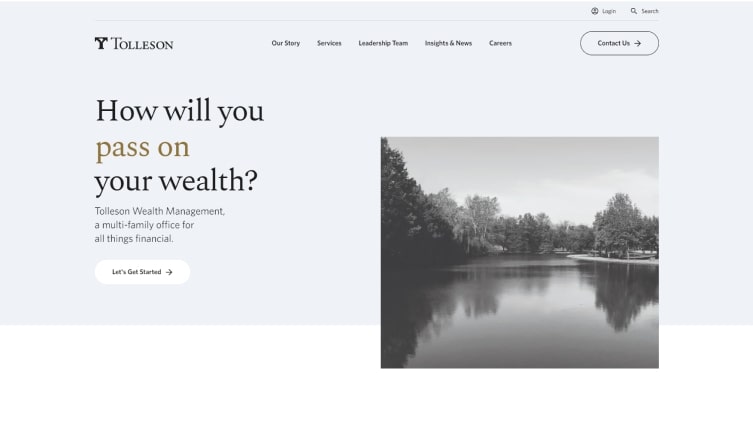
1. Tolleson
Why it works: This financial advisor website employs a modern, efficient design. The banner welcomes site visitors with a calming image. The whole color scheme, theme, structure, and ease of use are great but what stands above the rest is how effective they represent every piece of information.
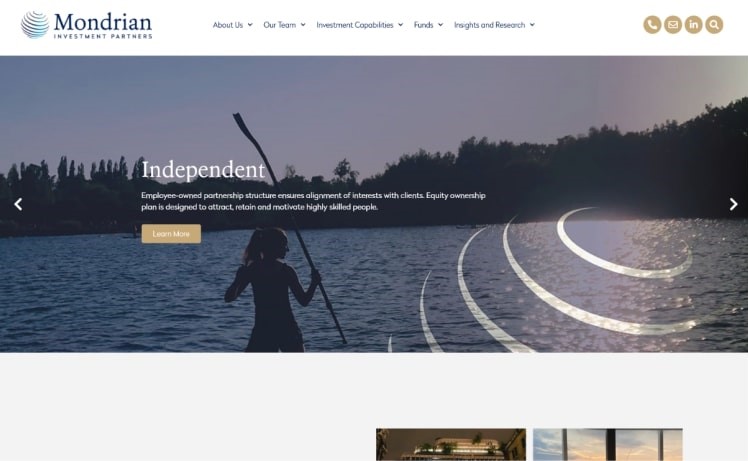
2. Mondrian
Why it works: The website’s design conveys professionalism and is easy to navigate with its modern font and design, as well as its comprehensive investment guide and financial planning services and tools. The home page stands out for its creative use of aesthetically pleasing colors and graphics.
 mondrian.com
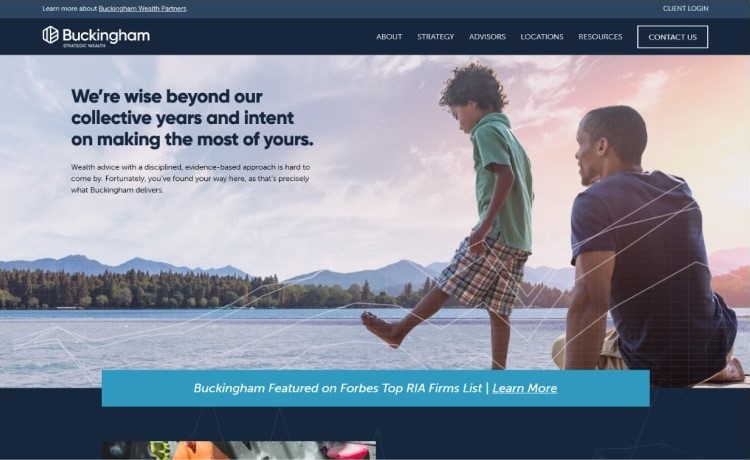
3. Buckingham
Why it works: Bold text and large crisp images give this financial advisor website design a unique look and feel. The homepage provides site visitors with a great summary of their financial planning strategy that helps potential clients quickly identify the strategic wealth they need.
4. RLS Wealth
Why it works: This financial advisor website has a simple layout but incorporates modern design elements such as captivating images and vibrant colors. It also utilizes a distinct color scheme that distinguishes it from other financial advisor websites used in the same industry.
rlswealth.com
Top Wealth Management Websites
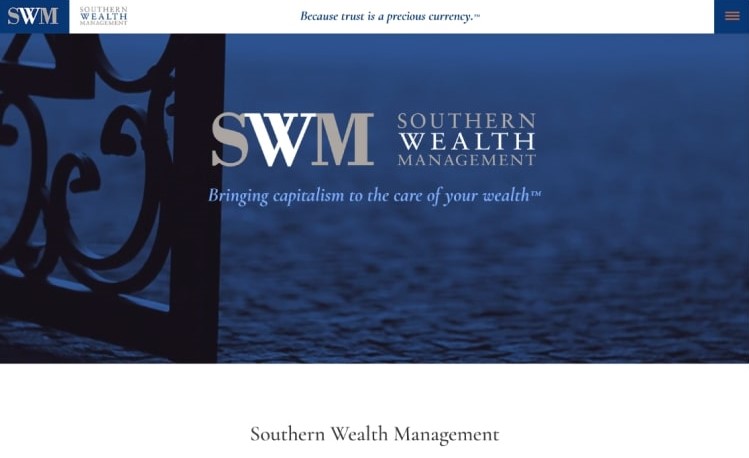
5. SWM
Why it works: By using custom text/graphic animations and a video banner, Southern Wealth Management made its home page easy to navigate yet captivating. The use of blues and white color palette goes well with the clear typography.
 southernwealth.com
6. Concord Wealth Partners
Why it works: This financial advisor website has been designed to improve usability and increase client conversions. The layout has been optimized and includes well-spaced content and design elements. The photos on the website have clickable links that lead to new pages. The overall design is modern and has a fresh appearance.
 concordwealthpartners.com
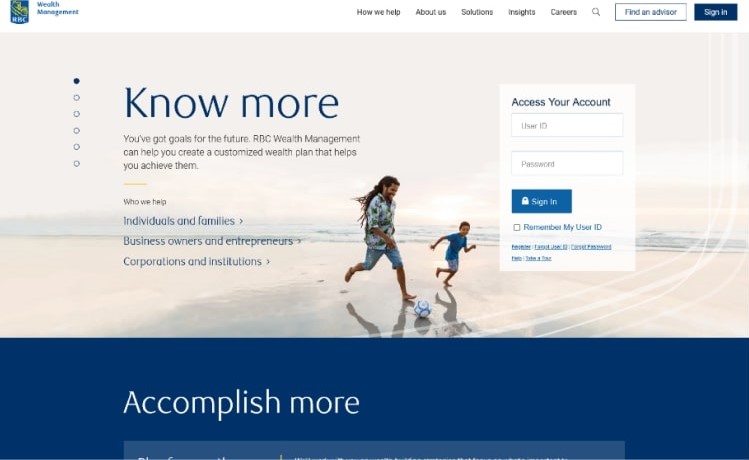
7. RBC
Why it works: The financial advisor website design of RBC is evidently well thought out and is very interesting. All the important information is clearly presented in the simple yet modern and dynamic home page design. The website also has optimized navigation that makes it easy for site visitors to access the relevant content.
 rbcwealthmanagement.com
8. ICC
Why it works: The design is simple and easy to follow which is always a positive thing for user experience on websites. The page layout also features high-quality visuals and organized content that help the site stand out from the competition. Their logo design and company name welcome website visitors and encourage them to learn more about their business and financial services.
 iccnv.com
Best Wealth Management Websites
9. Diamond Wealth
Why it works: The design of this financial advisor site is interesting. The target market, audience, or client will easily find what they are looking for. The website is well-structured and has a simple yet attractive landing page. It also exudes the professionalism and trustworthiness of the firm and the team of financial advisors.

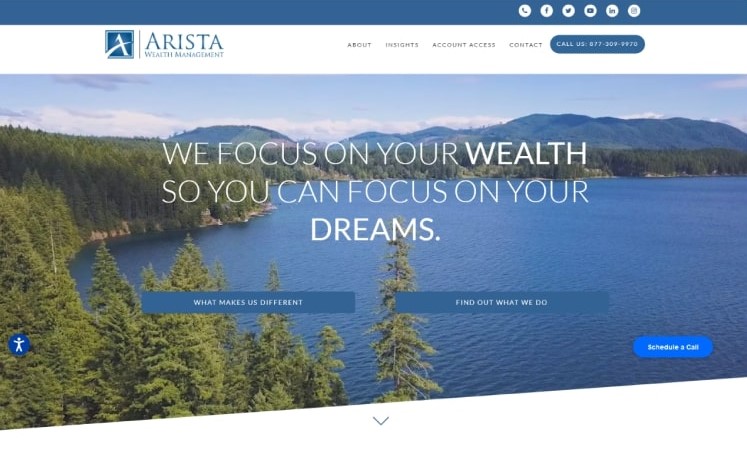
10. Arista Wealth
Why it works: Arista Wealth is one of the best financial advisor websites because it has a captivating video in the hero section. All the important information about financial freedom is clearly presented in the simple yet modern home page design. The site is easy to navigate and designed for a mobile-first experience.
 aristawealth.com
11. Duncan Williams
Why it works: This website is unique and interesting, it feels fresh and well-structured. Using their hover and image animation perfectly is amazing. The website design is modern and inviting, giving a professional feel.
 dwassetmgmt.com
12. Churchill Management Group
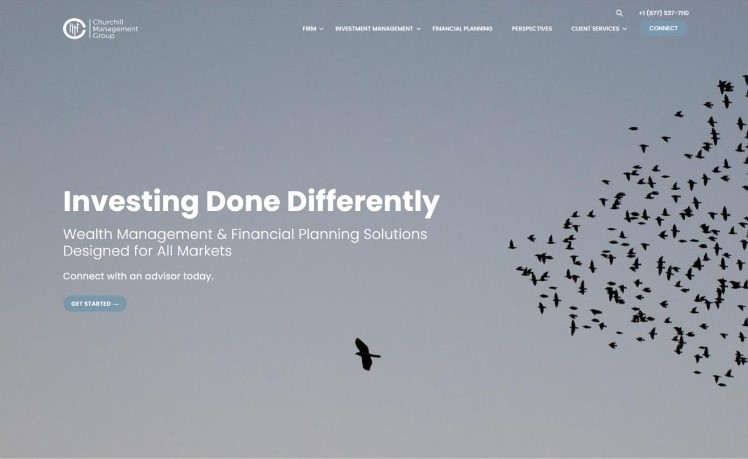
Why it works: Churchill Management Group’s financial advisor website design is well structured, the layout is well thought-out and the information on the financial advisors’ site is easy to read. The images are the source of other colors and life to their website. It also makes good use of whitespace to create an effective website design.
 churchillmanagement.com

Wealth Management Sites
13. Northern Trust
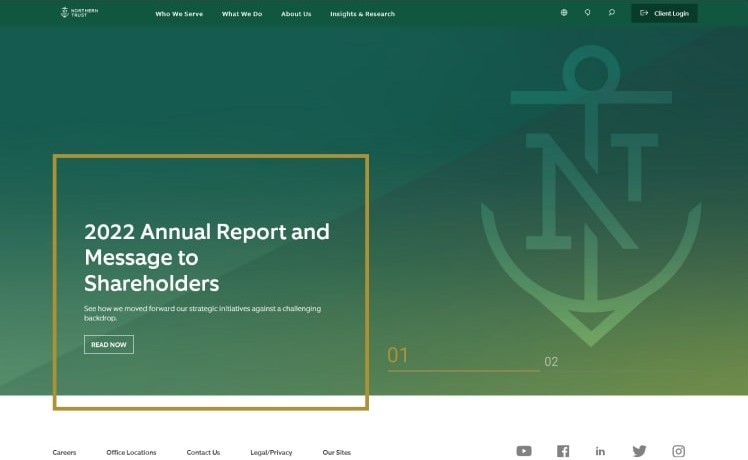
Why it works: Northern Trust’s website design is easy to follow, and it is simple and easy to use. The clever use of color gradients is definitely cool and makes the site more appealing. It also incorporates big images which can effectively grab the attention of its visitors and clients.
 northerntrust.com
14. RVW Wealth
Why it works: RVW Wealth served its specific purpose, this is a straightforward financial advisor website design that aims to showcase the firm’s mission and core values. This financial planning firm’s website is unique compared to other financial advisor websites because it is clean, simple, information-focused, and easy to explore.
 rvwwealth.com
15. Bridgeworth
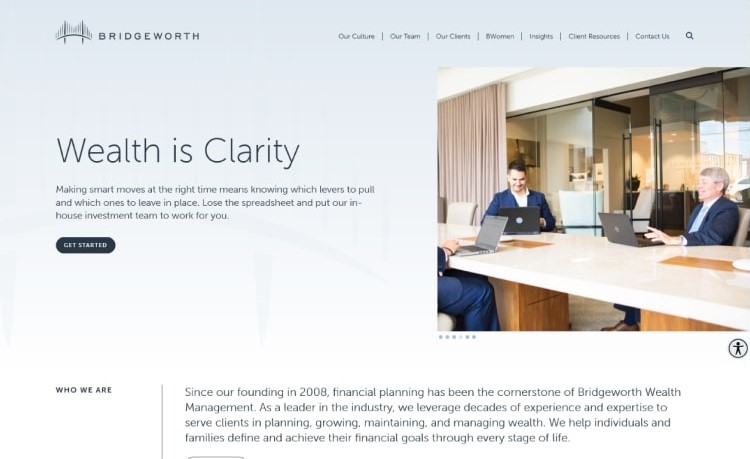
Why it works: This clean and simple layout focus on presenting important information on their home page about financial and retirement planning. Big and fine text is easy to read and has a professional look and feel. The use of white space is smartly utilized to break down text and images.
 bridgeworthfinancial.com
16. The Welch Group
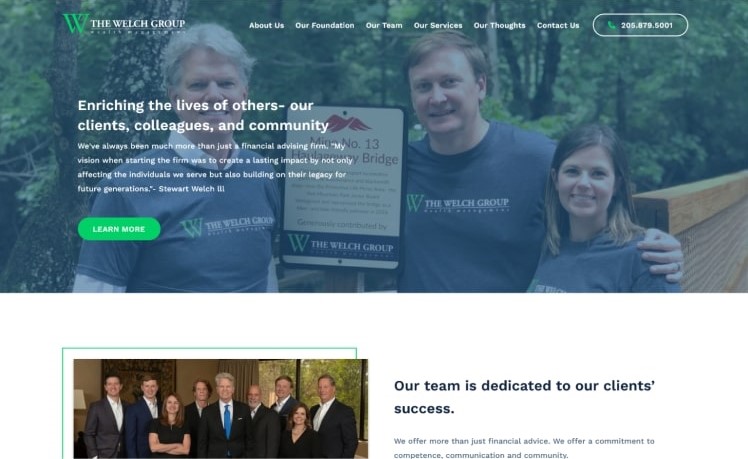
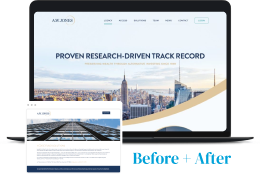
Why it works: This is one of the most straightforward financial advisor sites on this list. The Welch Group website design is simple and easy to explore, and the homepage is effectively utilized to disseminate information about the financial industry.
 welchgroup.com
Wealth Management Website
17. Ardan International
Why it works: Ardan International’s website structure is simple and easy to follow which is always a positive thing for user experience. It conveys professionalism and trustworthiness with its modern font and design, as well as its comprehensive platform.
 ardan-international.com
18. Creative Planning
Why it works: The modern layout with color distribution makes their financial services website interesting and engaging. Bold text and well-structured, well-designed, and obviously well-thought-out content is what makes this web design great.
 creativeplanning.com
19. Aimco
Why it works: The website is easy to use and has a great large text menu. It’s quite simple that directs and immediately tell potential clients what financial services they need.
 aimco.ca
20. LGT Crestone
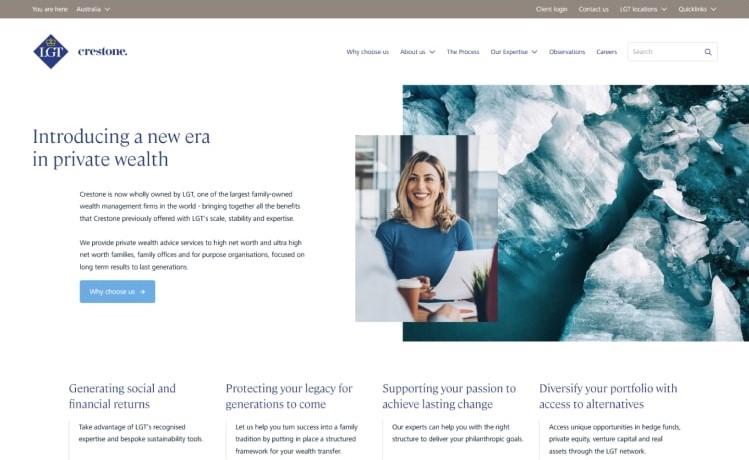
Why it works: This website gives it a more personal feel. The modern layout with color distribution makes their site interesting and engaging. The design stands out with a parallax effect giving it a more professional feel.
 lgtcrestone.com.au
Wealth Management Website Design
21. Providend
Why it works: A modern wealth solutions company that helps people get the investment and financial management they need. This homepage stands out for its simplicity and creative use of colors and graphics.
 providend.com
22. Stash Wealth
Why it works: Consistent use of black and red color schemes throughout the site targets the audience through graphics, content text, and language. The inclusion of social proof through reviews and testimonials further builds confidence.
 stashwealth.com
23. Ariston Services Group, LLC
Why it works: The website’s home page looks attractive due to the high-quality video displayed in the hero section. Additionally, the website incorporates professional yet visually pleasing fonts.
 aristonservicesgroup.com
24. ZUK Financial Group
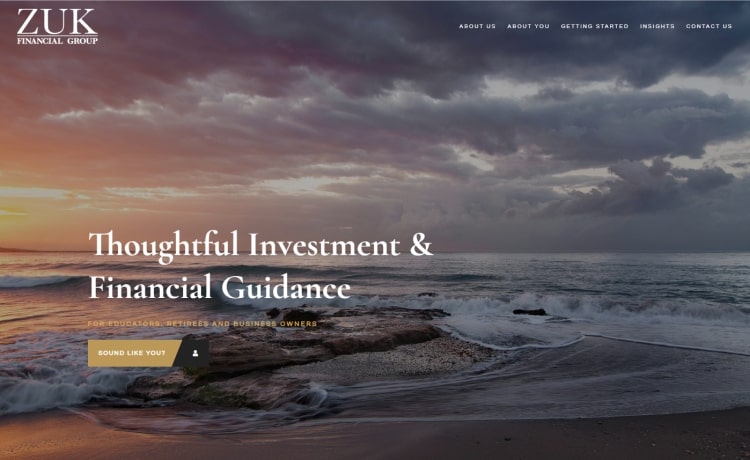
Why it works: The website’s homepage creates a calm and comfortable experience for prospective clients, with the use of clean fonts and well-spaced lines that enhance readability.
 zukfinancial.com
Wealth Management Firm Websites
25. Humanitas Financial
Why it works: The website of this financial advisor has a sticky navigation bar that remains visible as prospective clients scroll through the site, making it easy to access important information. The website has a pleasant atmosphere due to the use of light colors and pictures of smiling people.
 humanitasfinancial.com
26. HCR Wealth Advisors
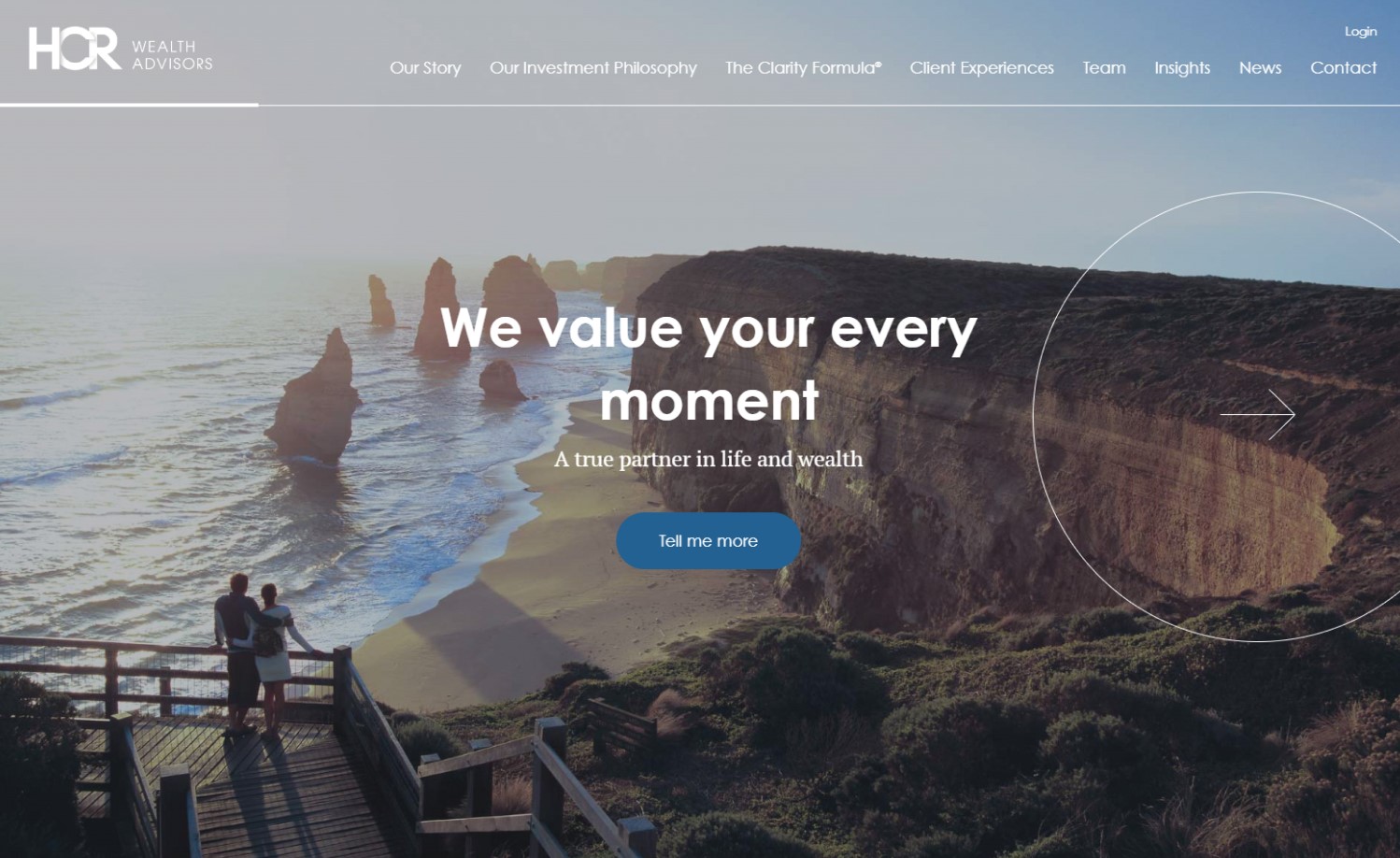
Why it works: The on-hover arrow section is impressive and engages the user with a captivating animation. By clicking on the large on-hover arrow component, the content of the page changes and will lead to various separate web pages upon clicking. The inner pages are well-structured and spaciously designed.
 hcrwealth.com
27. Financial Synergies Wealth Advisors
Why it works: Using contrasting dark and light sections helps break down information into manageable pieces. Additionally, the subtle animations add aesthetic appeal while scrolling.
 finsyn.com
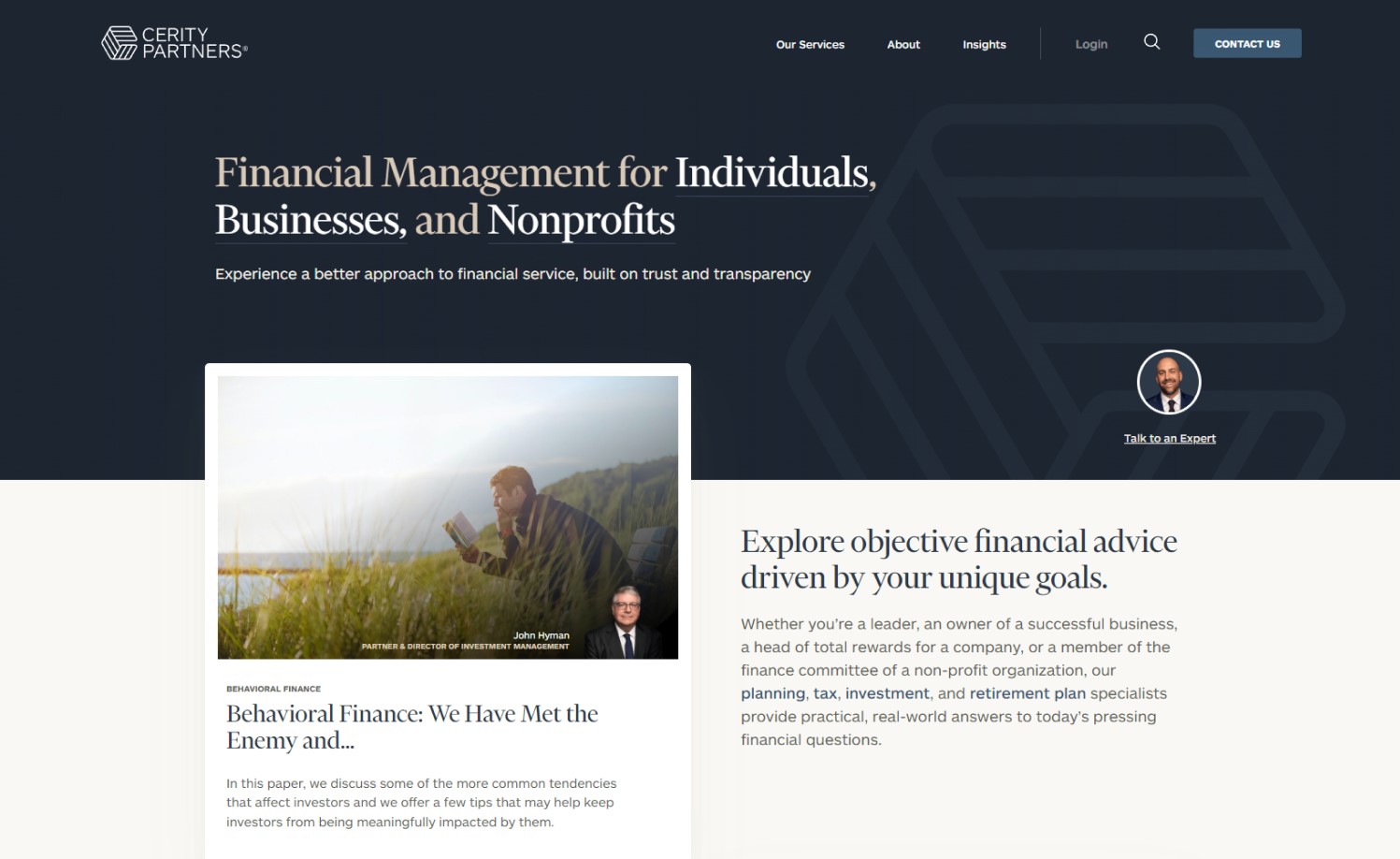
28. Cerity Partners
Why it works: The website is designed to provide the ultimate user experience. It has simple navigation and a well-structured content hierarchy that makes it easy for first-time clients to find the information they need quickly.
 ceritypartners.com
Cutting Edge Wealth Management Websites
29. Seven Springs Wealth
Why it works: The financial advisory website’s homepage creates a calming atmosphere with its use of colors and images. The homepage also features an informative video, as well as a simple navigation structure that helps both financial advisors and potential customers explore the website’s financial services with ease.
 sevenspringswealth.com
30. BNY Mellon Wealth Management
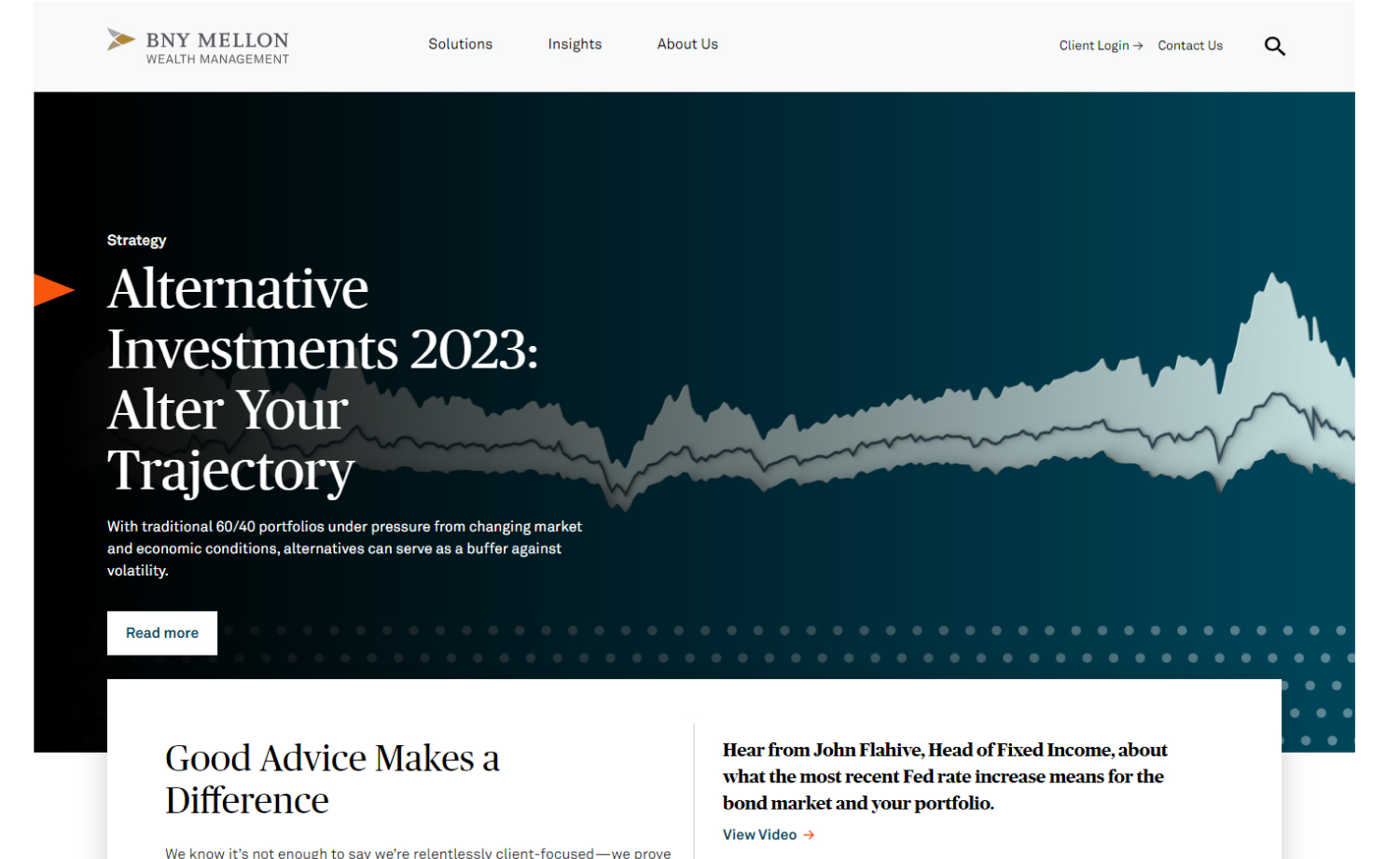
Why it works: This financial advisor creates client trust with its use of professional images and clean typography. Additionally, site visitors have access to instant contact options, which encourages them to engage with the company.
 bnymellonwealth.com
31. Strategic Wealth Capital, LLC
Why it works: Strategic Wealth Capital’s website utilizes bold colors and inviting graphics to draw in visitors. The site’s navigation is clear and concise, and it features easy-to-access contact options for potential customers.
 strategicwealthcapital.com
32. Bernstein
Why it works: Bernstein’s website is sleek and professional, with a modern layout that makes it easy to explore. Their homepage features attractive visuals to grab the attention of visitors, as well as an informative list of services offered.
 bernstein.com
Best Wealth Management Website
33. Comprehensive Wealth Management
Why it works: This is a great example of how to make use of white-space effectively. Its website utilizes clear and concise typography that helps draw potential customers in. It also features an easy navigation structure with dropdown menus, which makes the overall experience more pleasant.
 cwmnw.com
34. Orgel Wealth Management
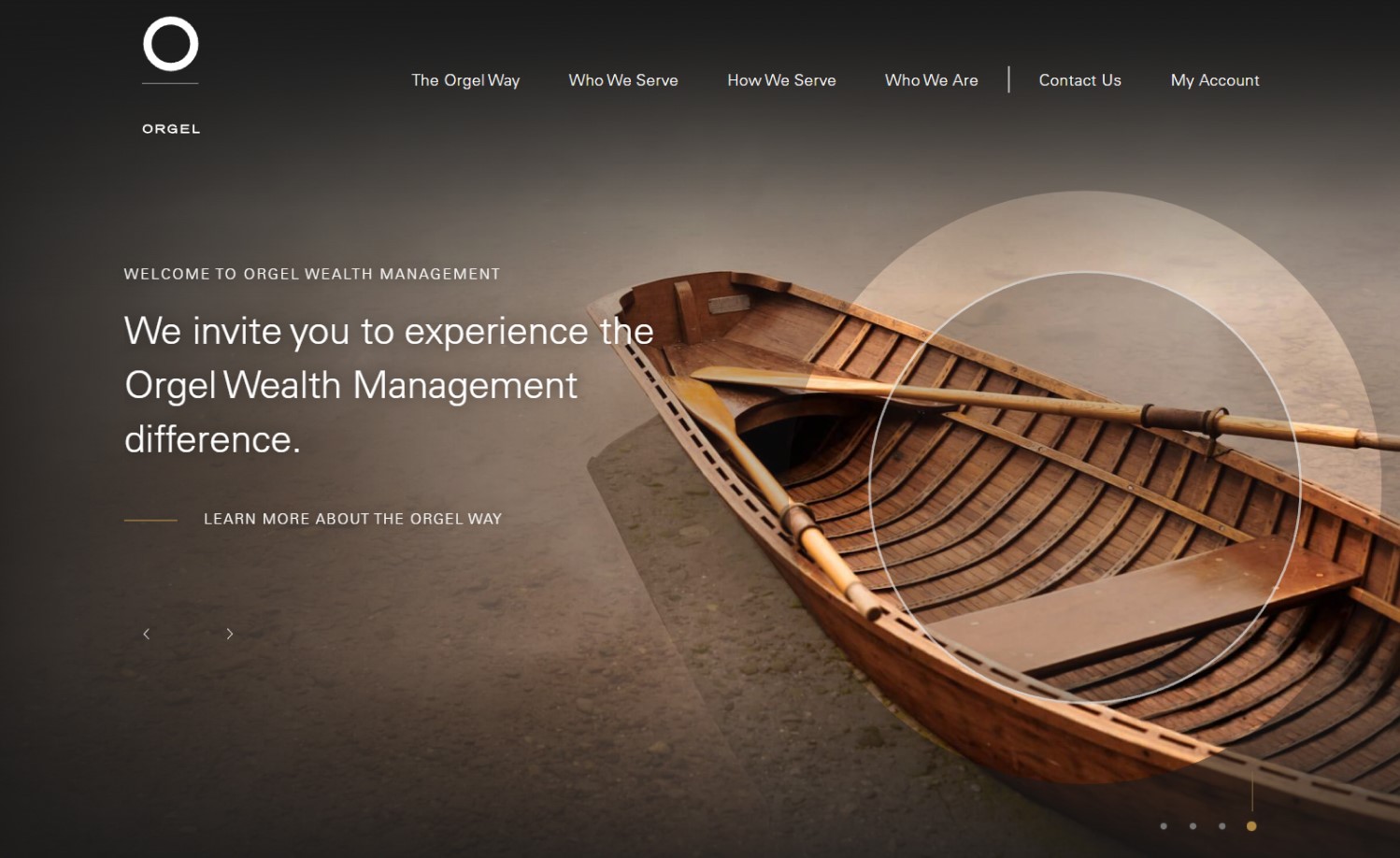
Why it works: The website has a modern aesthetic and incorporates interactive elements such as hover effects that help keep website visitors engaged. It also has an intuitive navigation menu that makes it easy for visitors to find the information they are looking for quickly.
 orgelwealth.com
35. Earn Into Wealth
Why it works: The financial services website has a modern design with large images and well-spaced content to create an intuitive user experience. It also features bold colors and interactive elements, such as hover effects to keep visitors engaged.
 earnintowealth.com
36. Zoe Financial
Why it works: The website has a modern, minimalist design that conveys a sense of trust and reliability. The homepage is well-structured with easily navigable links, which makes finding key information effortless.
 zoefin.com
Well Designed Wealth Management Website
37. Pension & Wealth Management Advisors
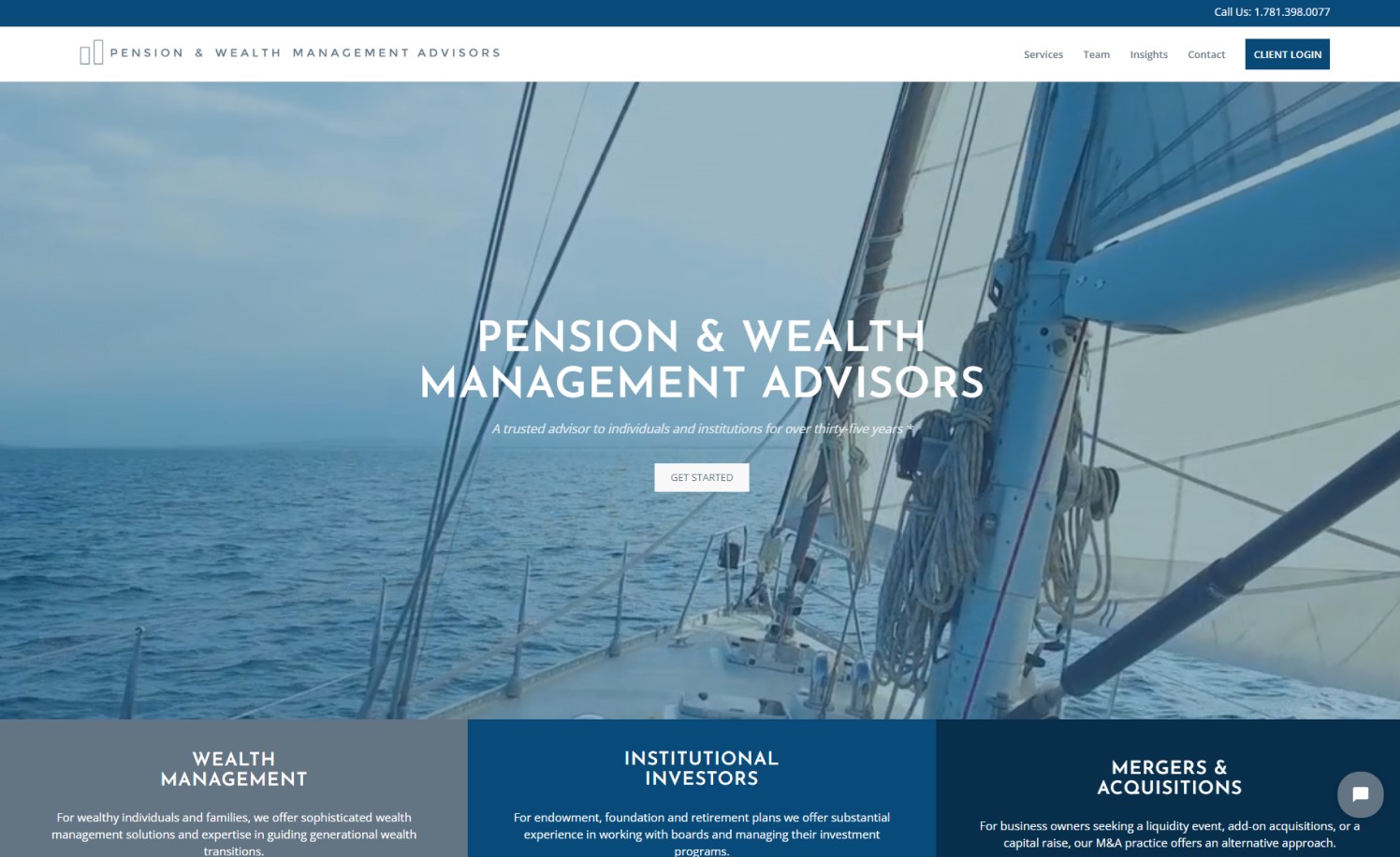
Why it works: This website utilizes a unique layout with a variety of colors and easy-to-follow navigation menus. It also makes use of subtle animations to add aesthetic appeal while scrolling through the page.
 pensionwealth.com
38. Chicago Partners
Why it works: Chicago Partners has an inviting home page that features visual elements that draw the eye of potential customers. It also has a clean and professional design with easy-to-navigate menus for clients and target audiences to find what they are looking for quickly.
 chicagopartnersllc.com
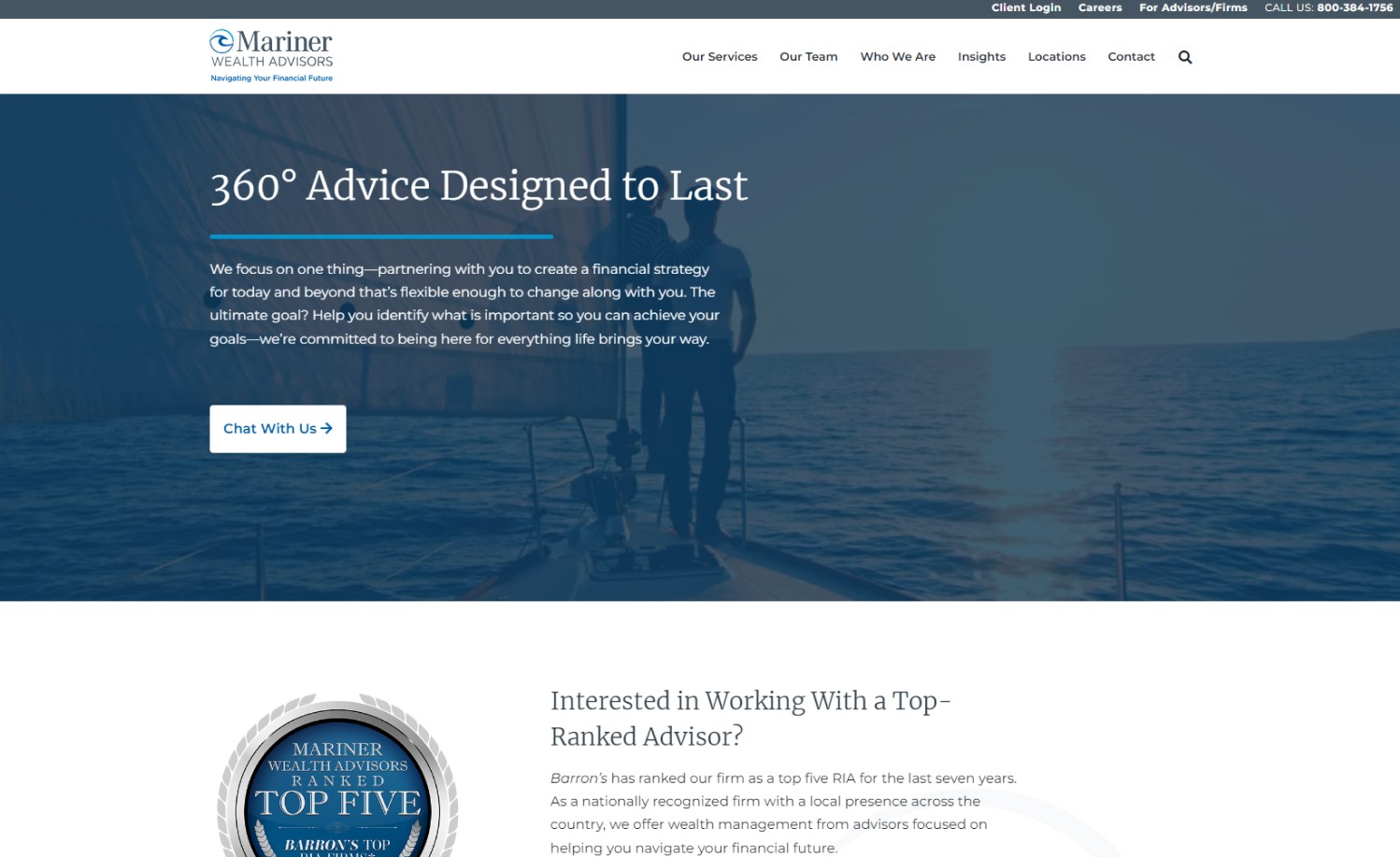
39. Mariner Wealth Advisors
Why it works: Mariner Wealth Advisors has a classic design and utilizes a video banner to draw potential customers in. It is also organized for easy navigation, with clearly labeled menus and a layout that helps new clients find the information they need quickly.
 marinerwealthadvisors.com
40. Wealth Care Advisors
Why it works: This site’s home page utilizes bright colors and vibrant visuals to draw in clients. It also has a simple navigation structure that helps potential customers find the information they need quickly and easily.
 wealthcareadvisorsllc.com
Websites for Wealth Management
Conclusion
We want to thank you for reading our blog.
From clean and professional to bold and vibrant, these 40 top wealth management websites are the best of the best. Each one has its own unique design elements that help it stand out from the crowd while providing a great user experience for visitors.
If you’re in the market for wealth management websites, please contact us! Our team of designers is ready and waiting to help bring your digital marketing vision into reality with beautiful designs that will increase customer conversion rates.
We will design and create a custom mockup of your new website before you sign or pay for anything. There is nothing to sign and no payment information will be taken. If you like our design for your business we can move forward working together. If not, there are no hard feelings and no other obligations.
That’s right. There is no hassle and no risk. What do you have to lose? To find out what’s possible, just click below and learn more about our Free Mockup Offer.