List of 40 Best Stunning Hospitality Website Design. If you are in the hospitality industry, it is important to have a stunning website that reflects the high-class and luxurious nature of your business. In this article, we will showcase 40 Hospitality Website Designs that are sure to inspire you! These websites feature beautiful designs, engaging content, and powerful branding.
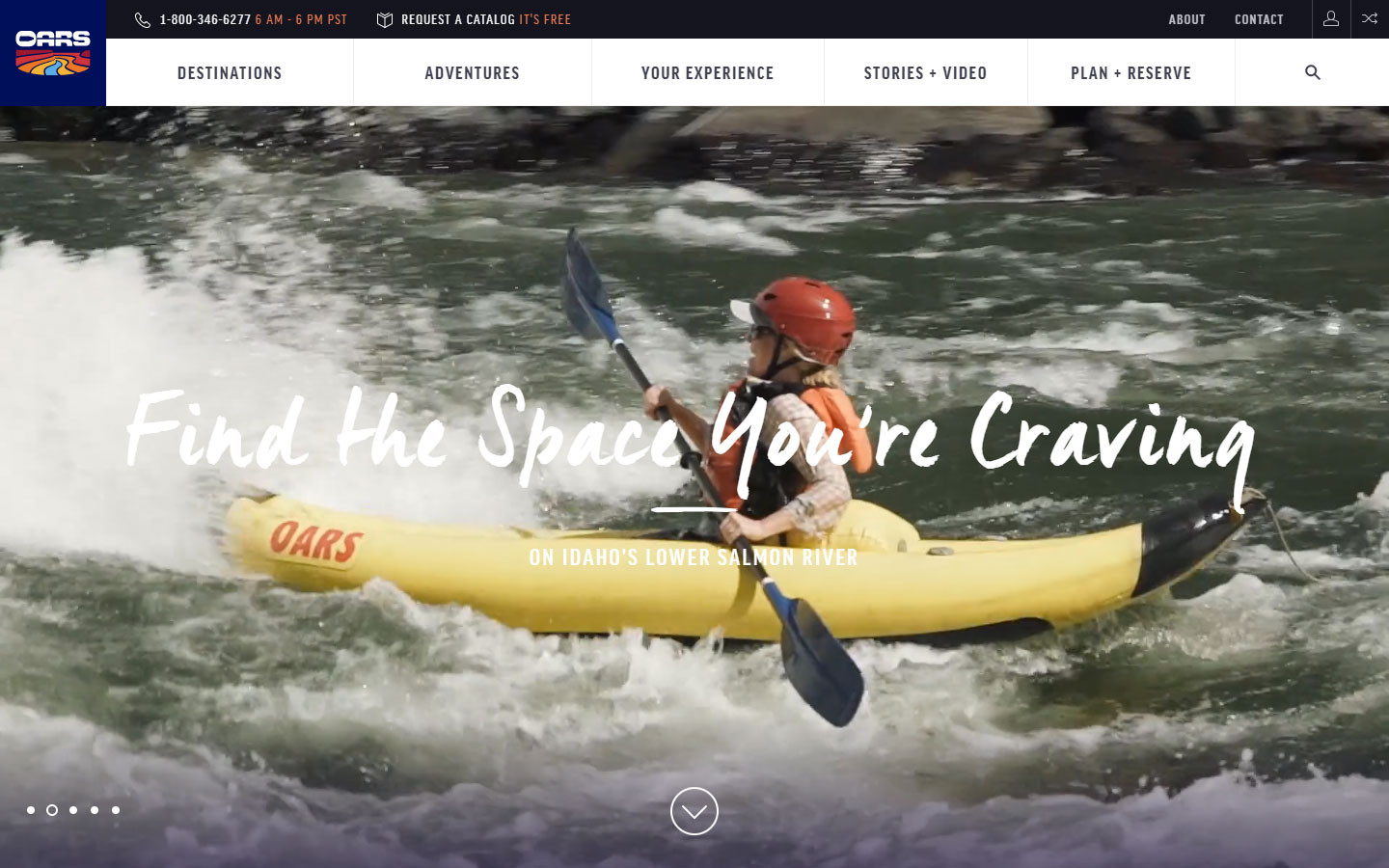
1. Oars
Why it works: It’s easy to say that everything is stunning in this great website: the graphics, the text, the design, the photos, and of course, the adventure.
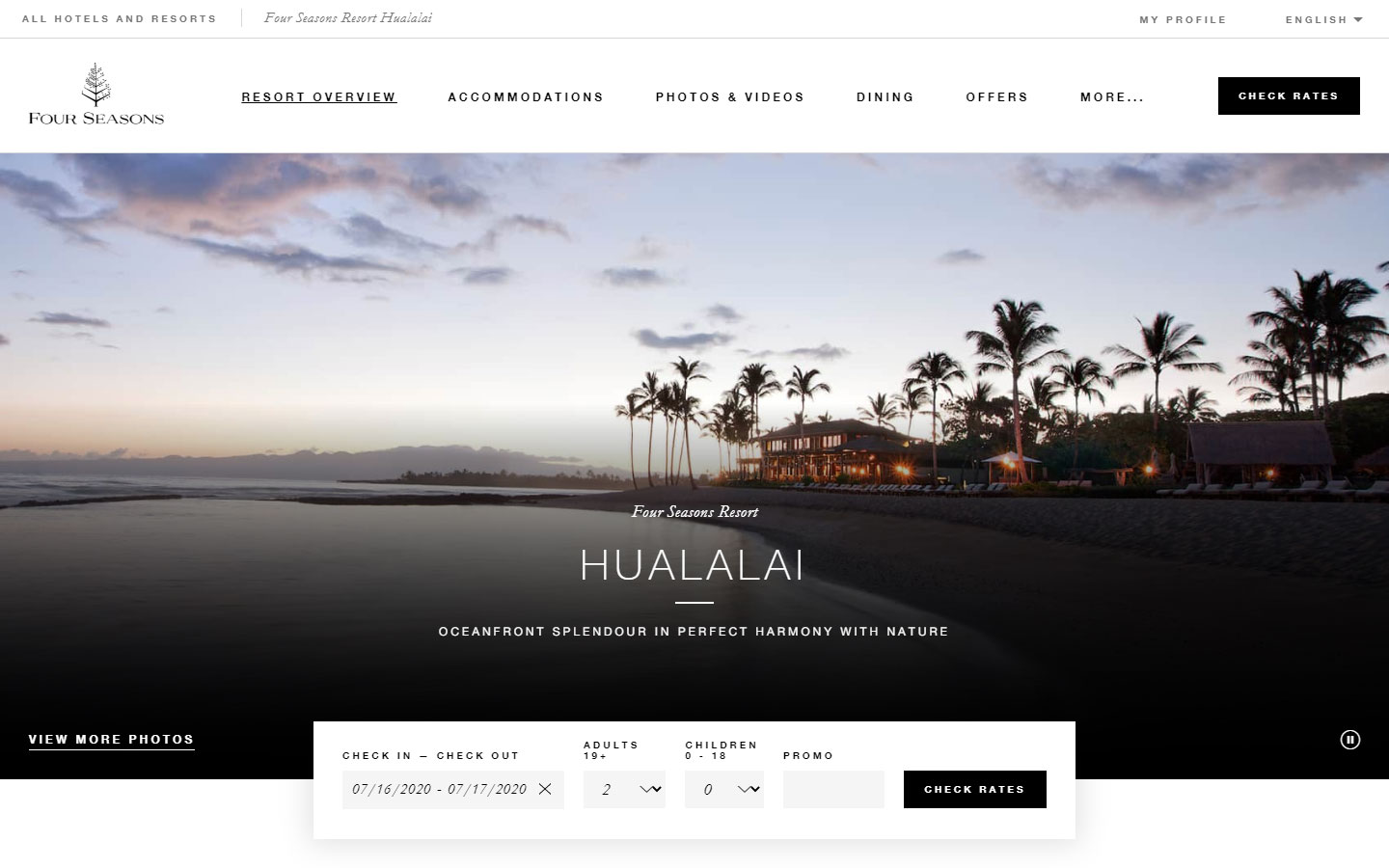
2. Four Seasons
Why it works: Four season hotel website design has excellent images, particularly in the slideshow; lovely and simple use of black and white, with a few special offers and complete travel experience as a result of generous information.
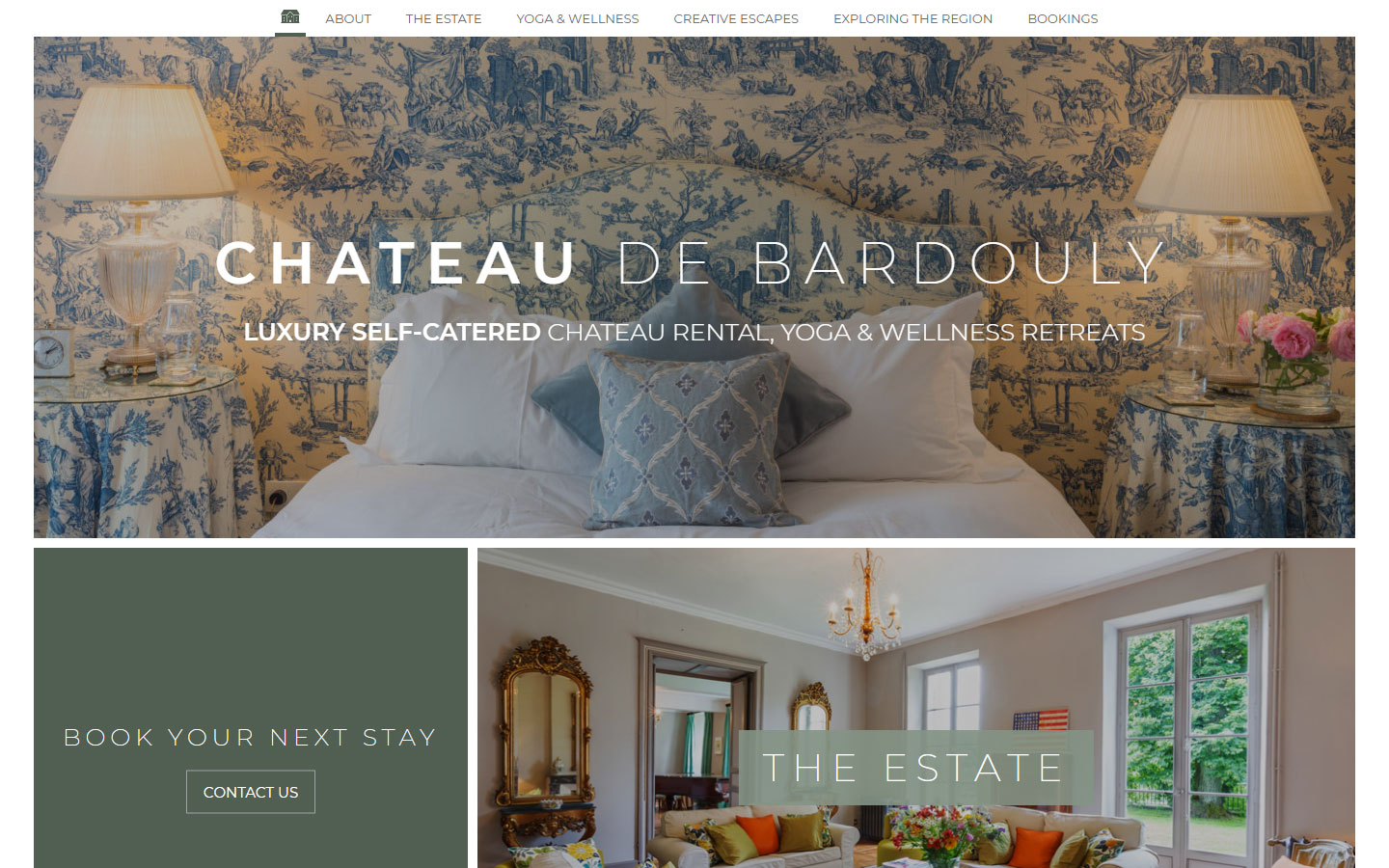
3. Chataeu De Bardouly
Why it works: The unique use of grids on the design homepage creates uniformity, consistency, and formality. An attractive presentation of what the estate has to offer for their guests.
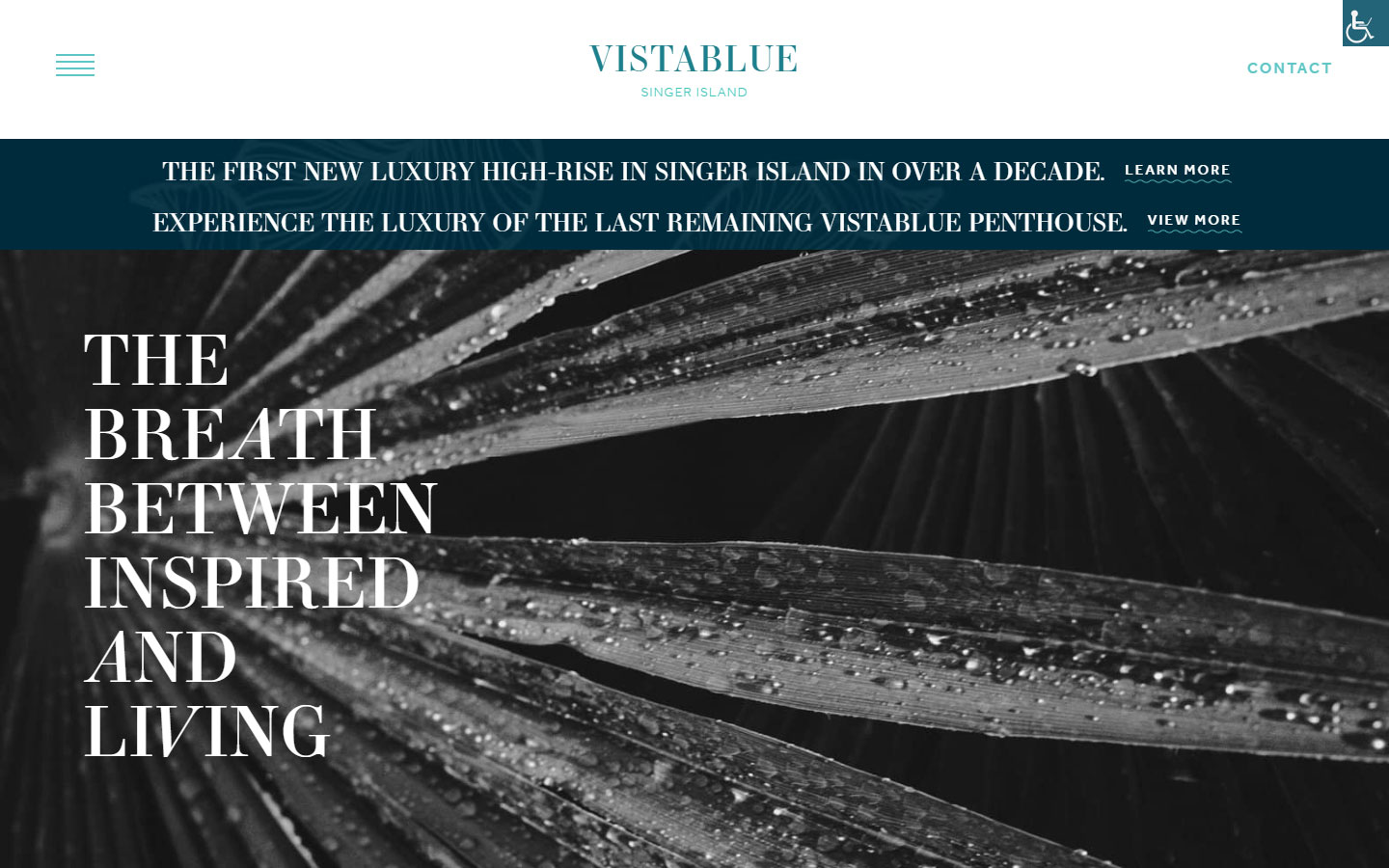
4. Vistablue Singer Island
Why it works: The Elegance home page, which is a tropical-themed website with a blue tinge, uses type and movement in an elegant way.
https://www.vistabluesingerisland.com
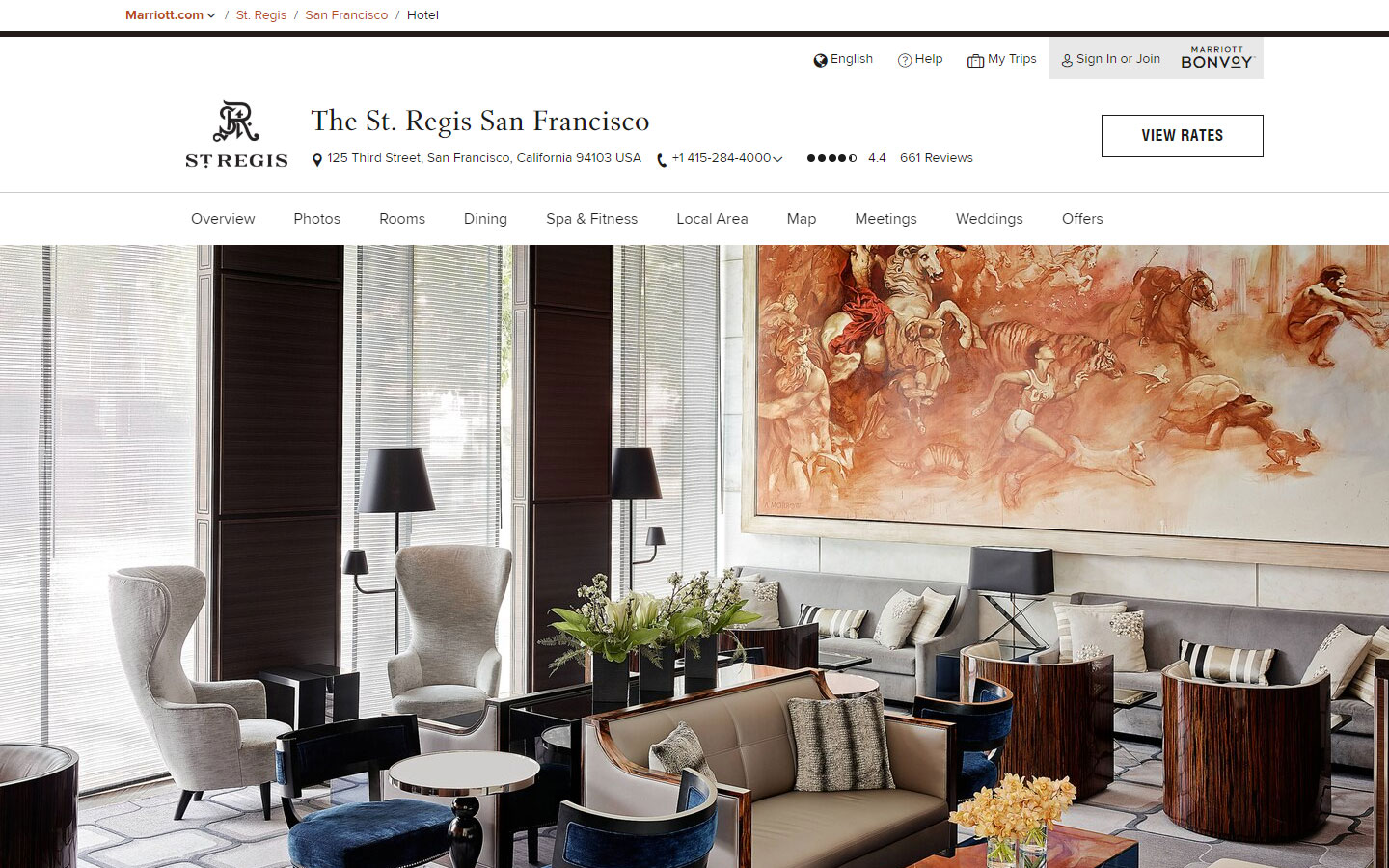
5. The St. Regis San Francisco
Why it works: Well-invested in photography, love the helpful header on-page and the pinned navigation on scroll tells a lot of stories on site.
https://www.marriott.com/hotels/travel/sfoxr-the-st-regis-san-francisco/
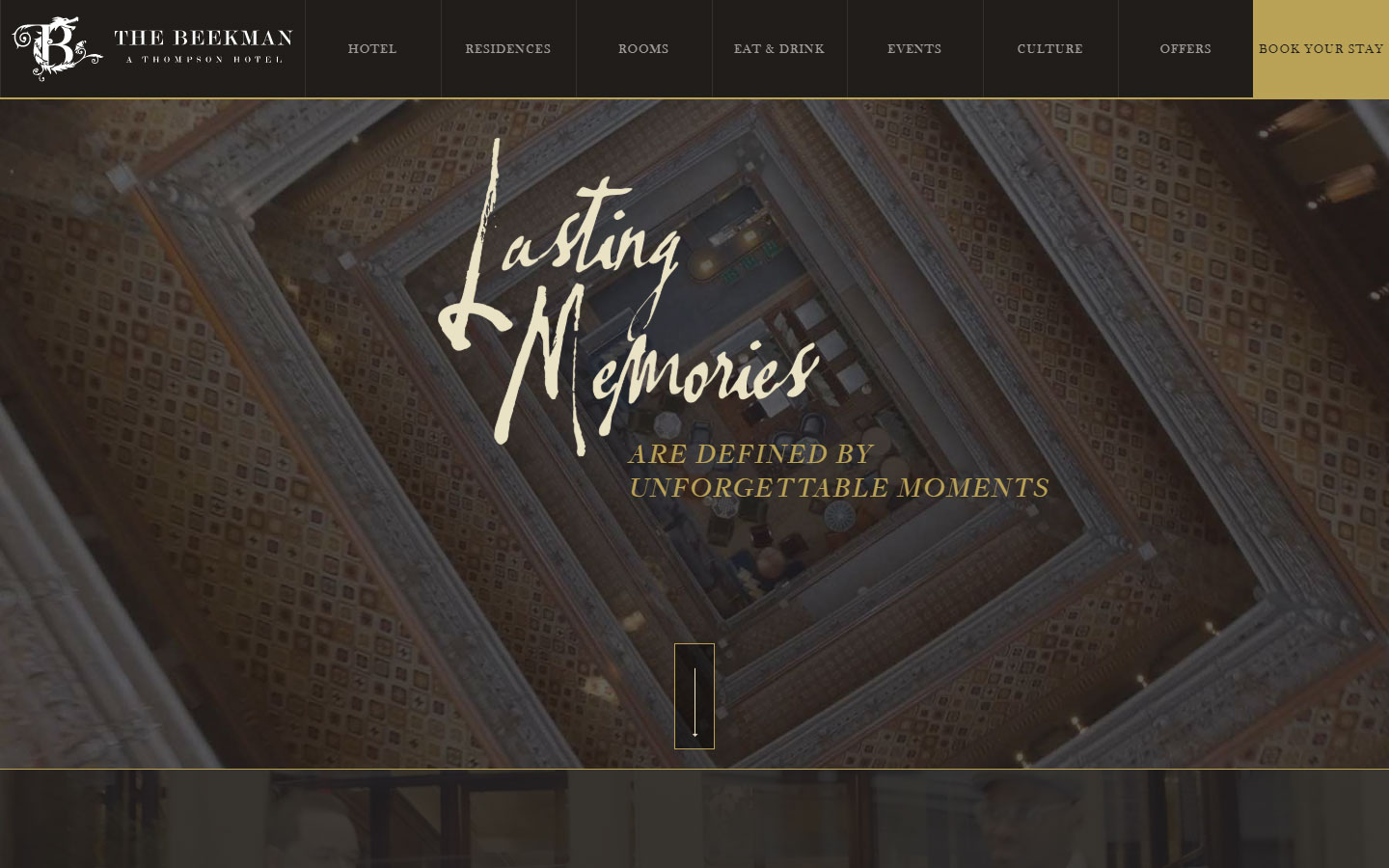
6. The Beekman
Why it works: A creative introduction, hand-written text animations, and elegance at its finest are all features of this luxury hotel website.
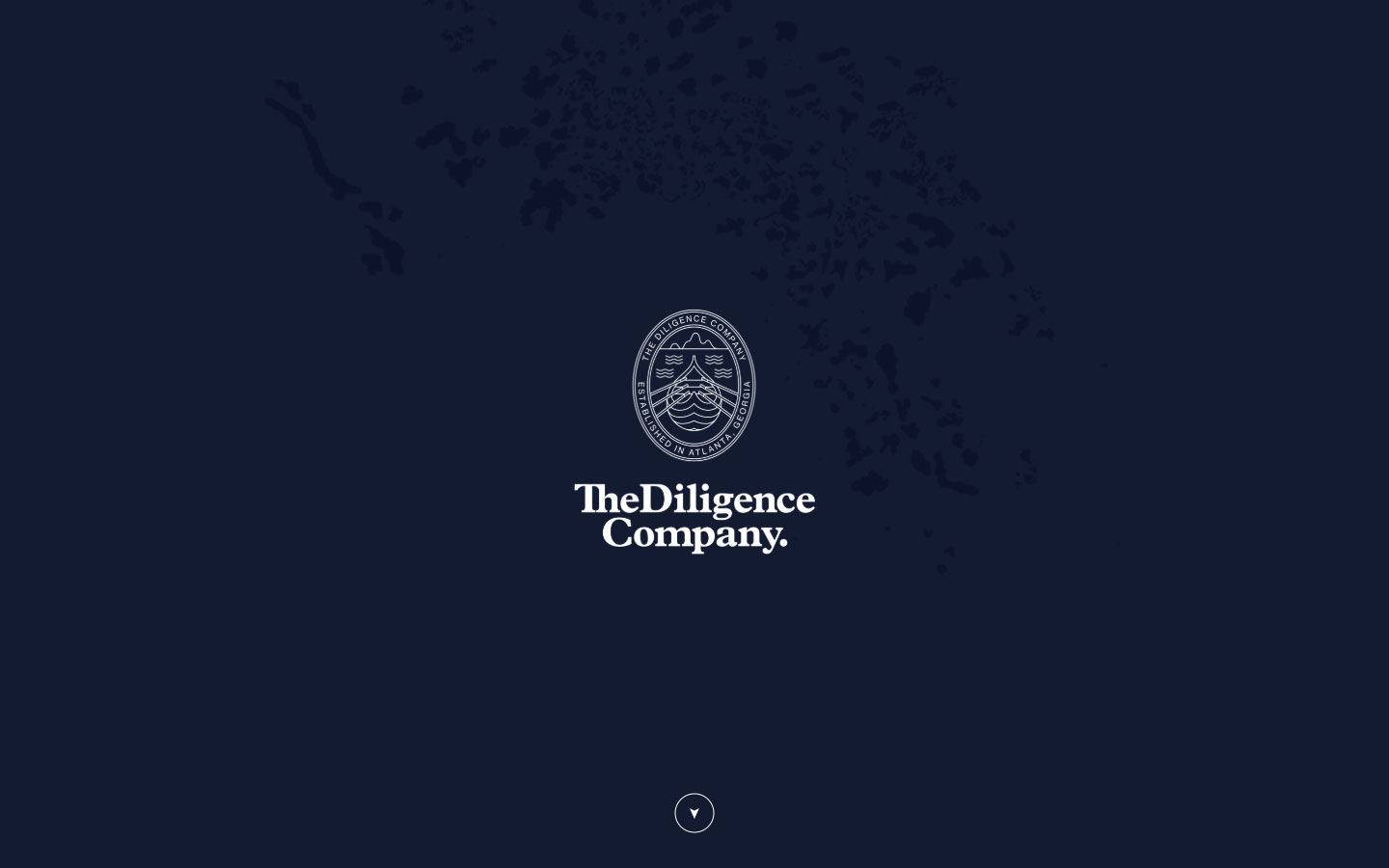
7. The Diligence Company
Why it works: This website, which seems to be a mystery, has a story for people who like unique diaries in today’s form.
https://thediligencecompany.com
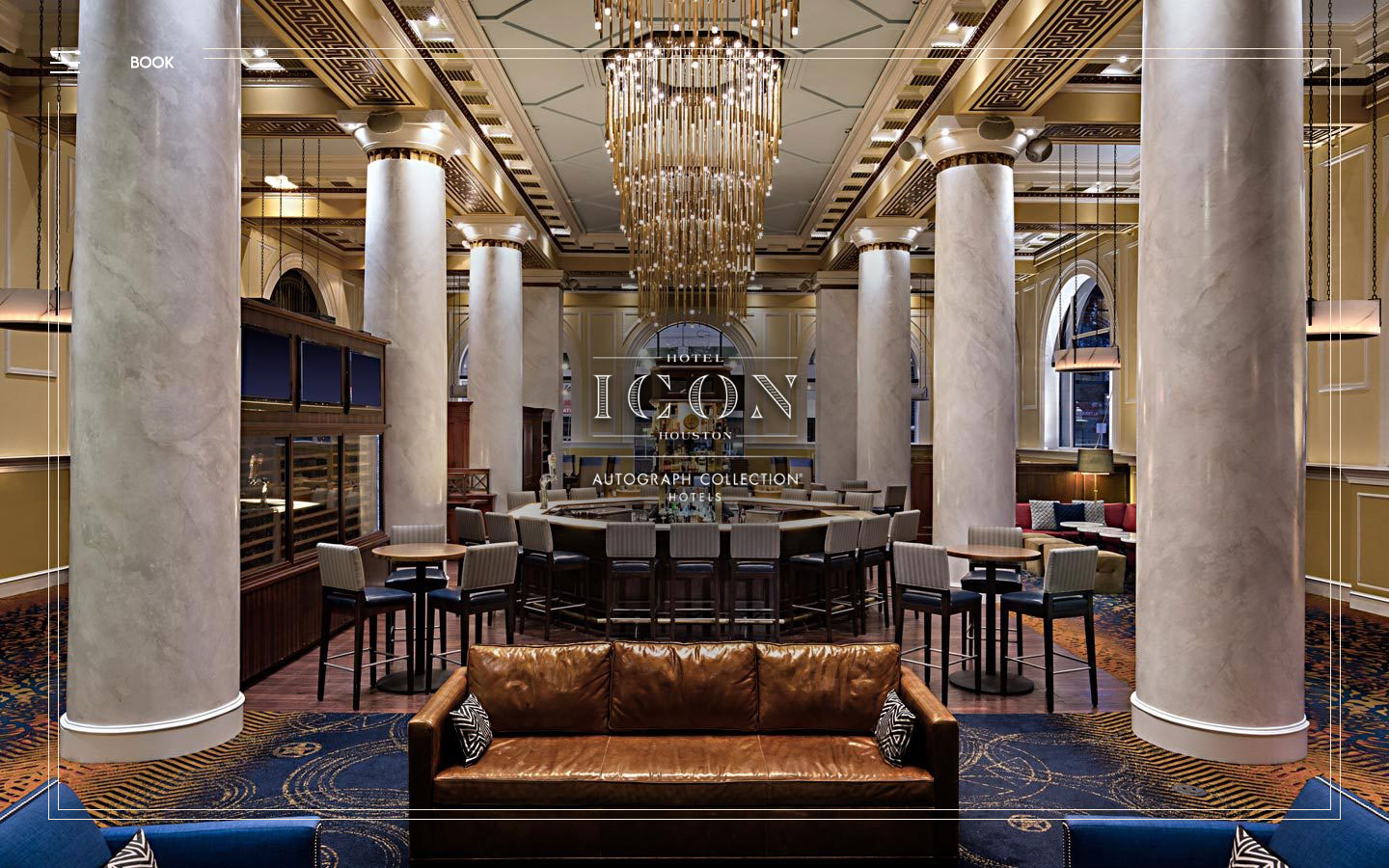
8. Hotel Icon
Why it works: This hotel website design is well-suited to the hotel’s sophistication and elegance, with creative hover effects, subtle but engaging animations that are both attractive and informative.
9. Mile High
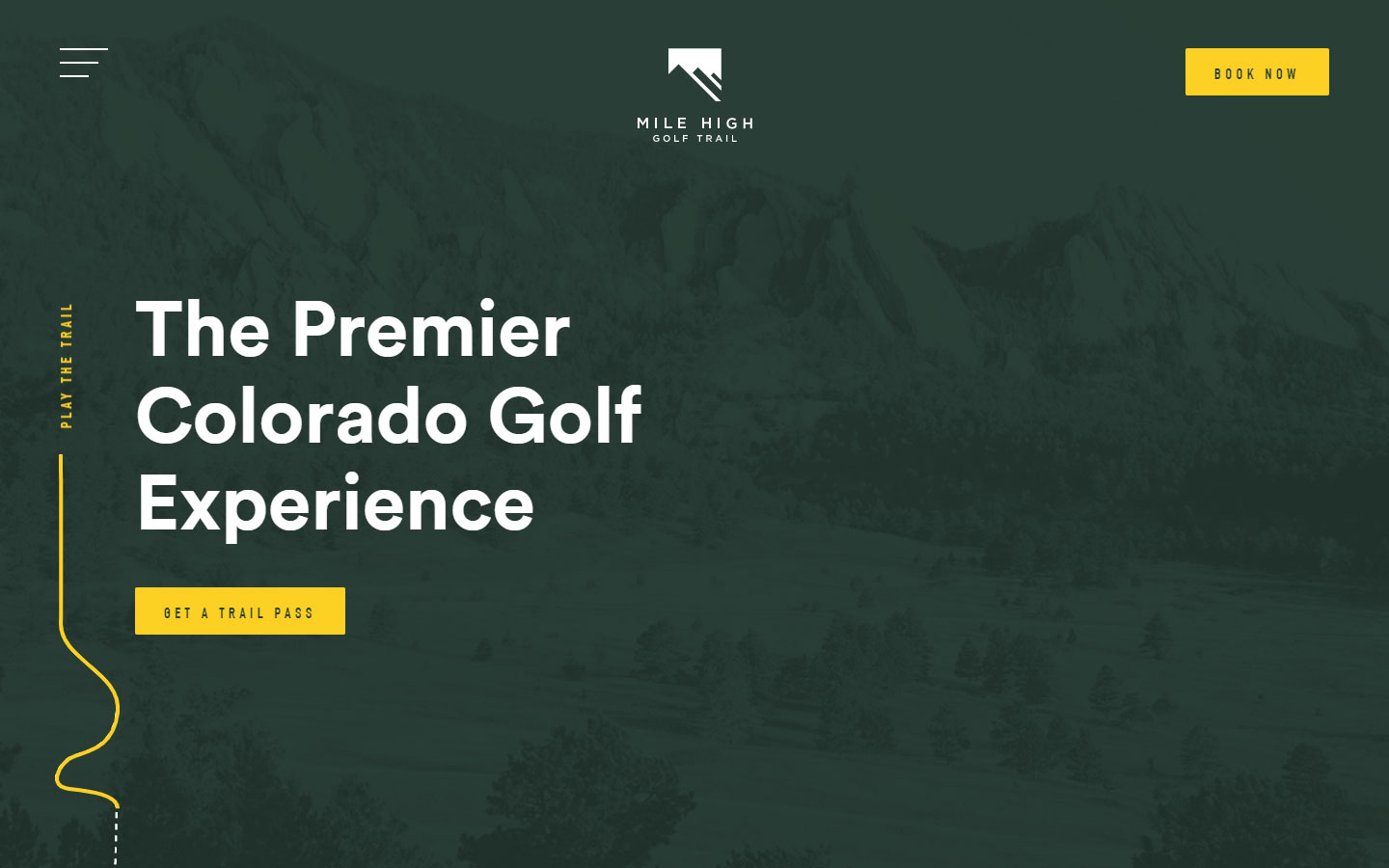
Why it works: While scrolling down the website page, enjoy the golf trail on the left side. It’s a fantastic website layout that is both unique and distinct and appealing for visitors.
https://www.milehighgolftrail.com
10. Café Rio
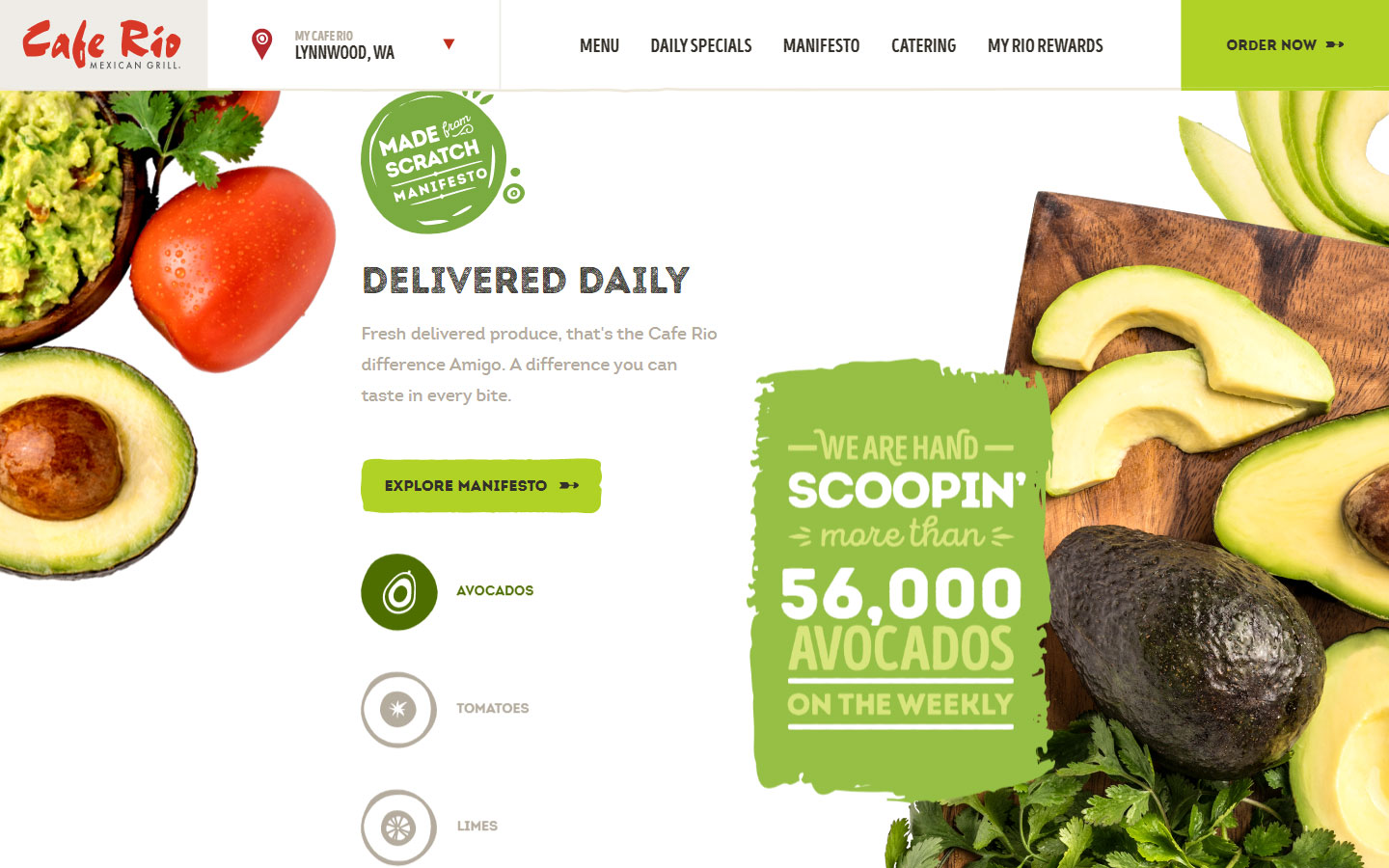
Why it works: With an eye-catching design, spectacular visuals, and pictures that contribute to a fantastic and youthful experience, this exquisite restaurant’s website is appealing and great inspiration.
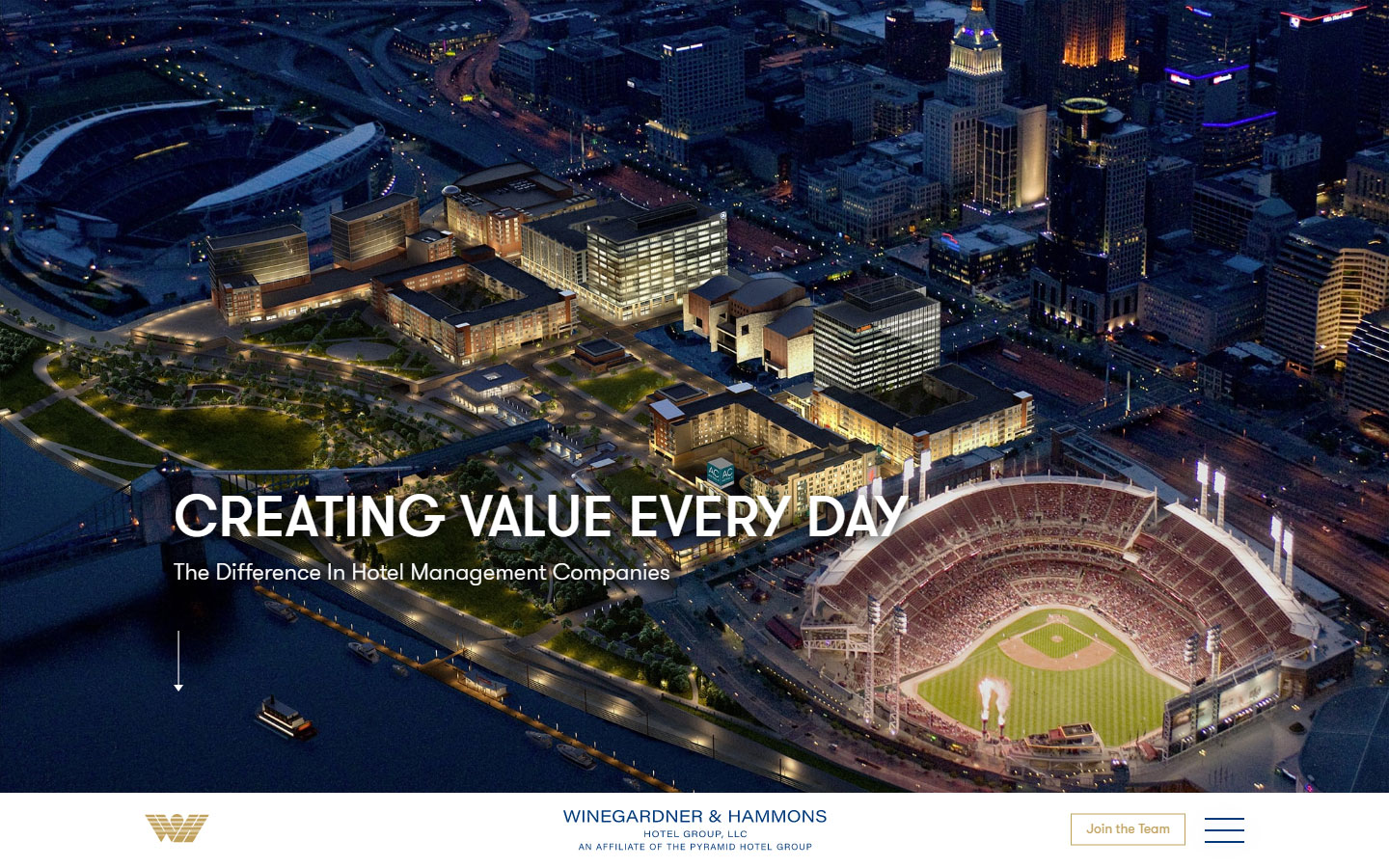
11. Winegardner & Hammons
Why it works: This home page has a geometric design, an interesting layout, and a fantastic application of blue and gold color scheme that stands out.
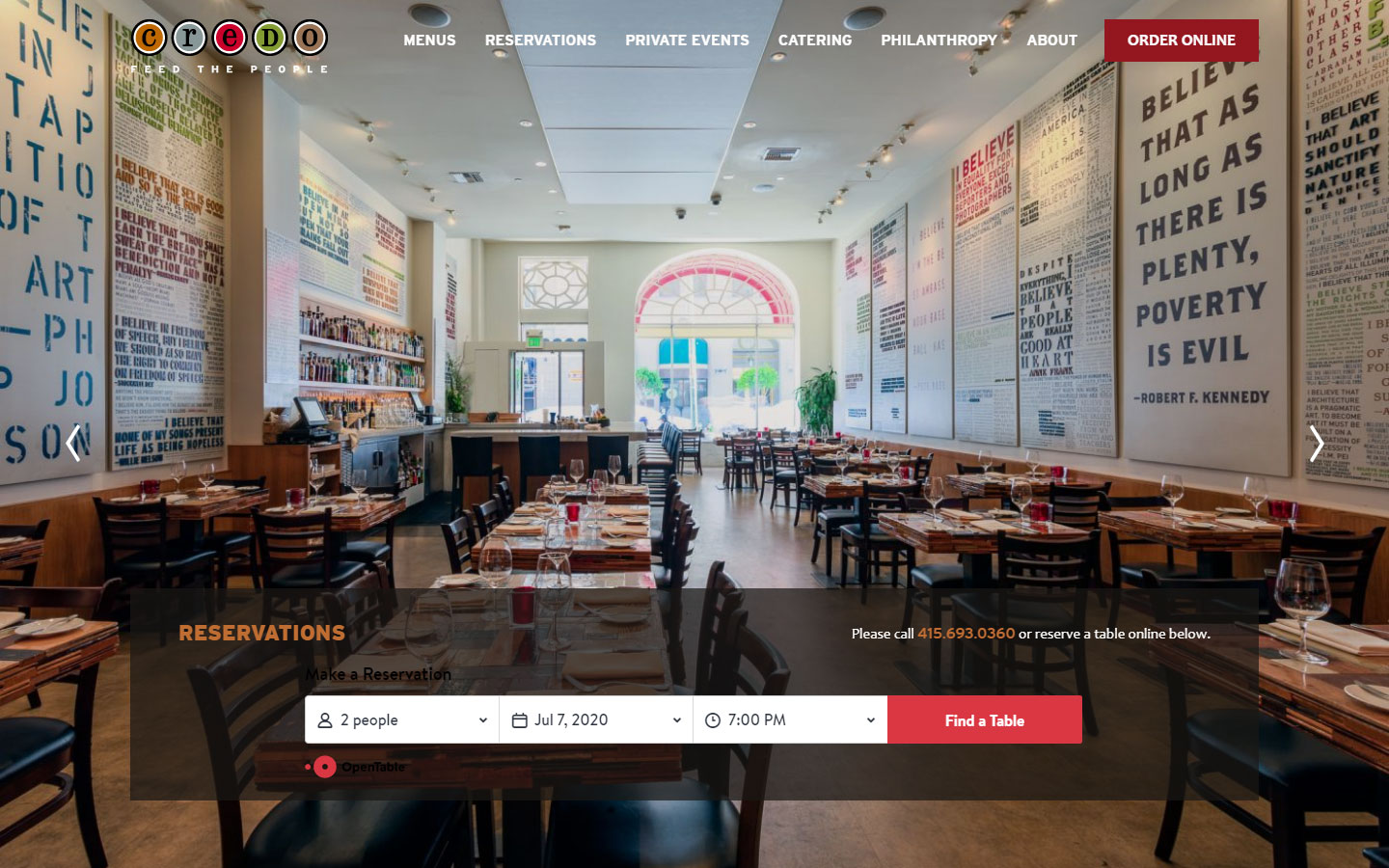
12. Credo
Why it works: Ordering online is simple, quick reservations are made quickly and upfront and the restaurant’s showcase is excellent for website visitors.
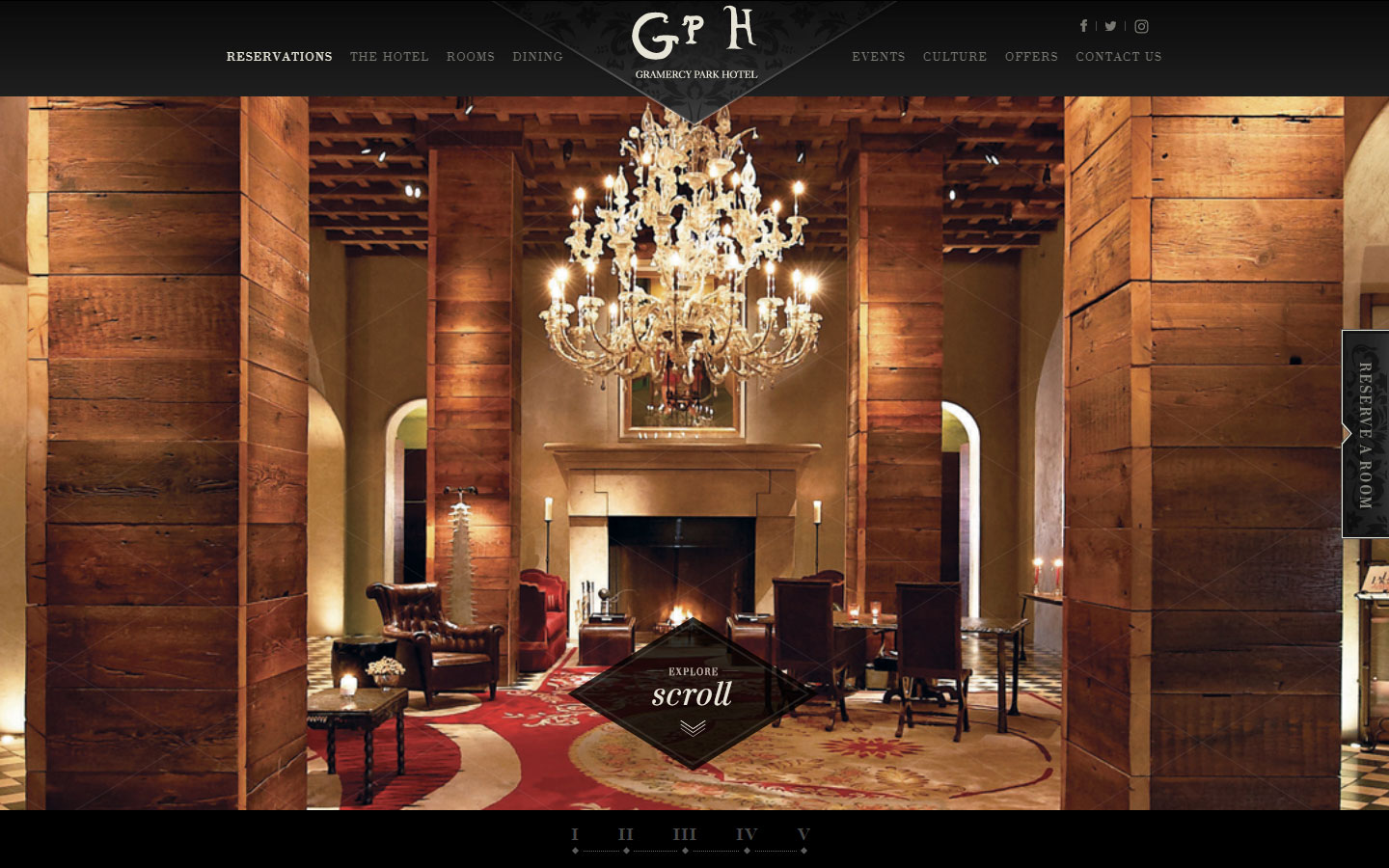
13. Gramercy Park Hotel
Why it works: The website design is more than just a website, it creates a highly immersive experience with lots of stunning images.
https://www.gramercyparkhotel.com
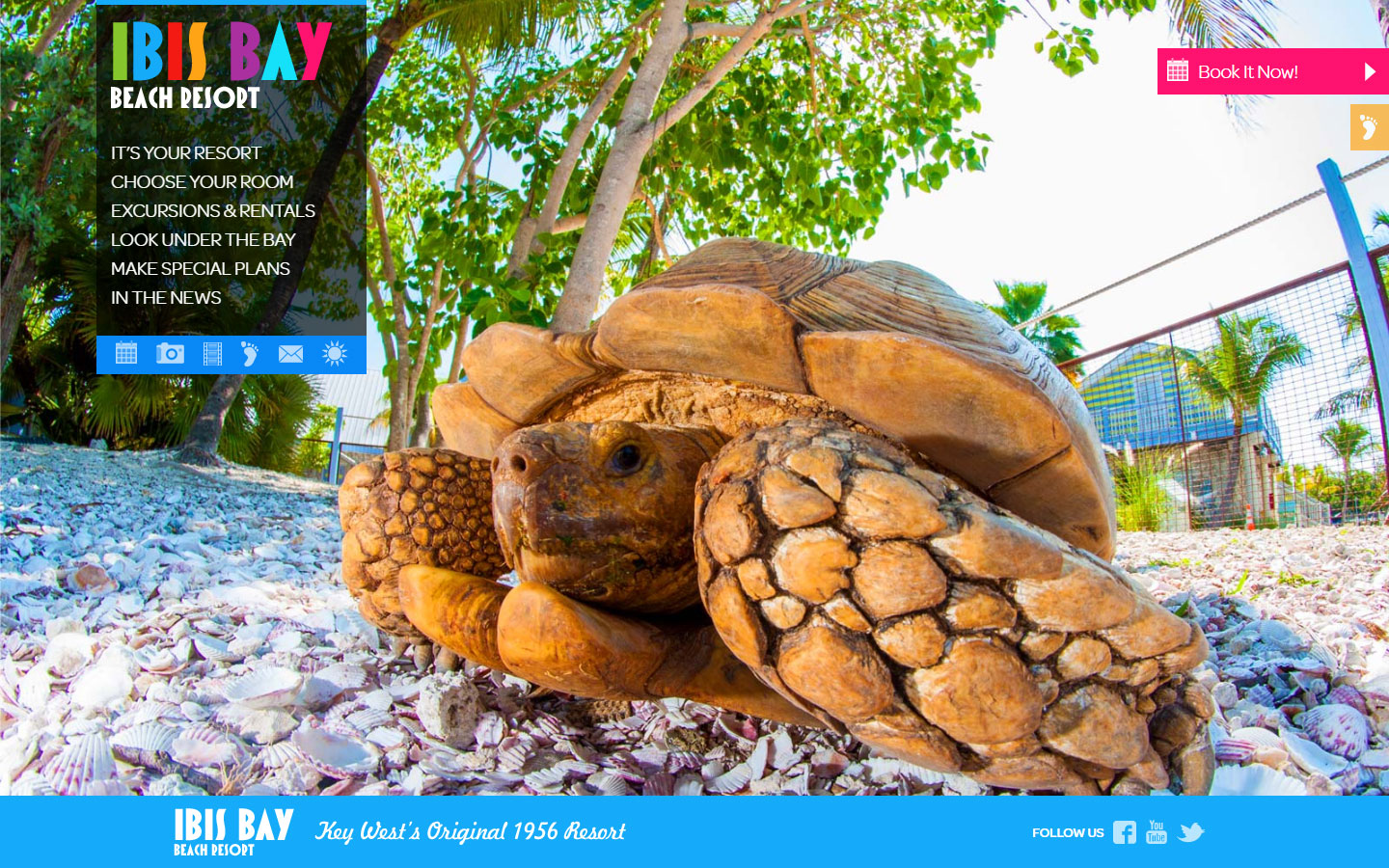
14. Ibis Bay Resort
Why it works: This is a lively, sizzling summer tropical design with vivid and vibrant images. The virtual tour is an excellent idea for visitors.
15. Waldorf Astoria
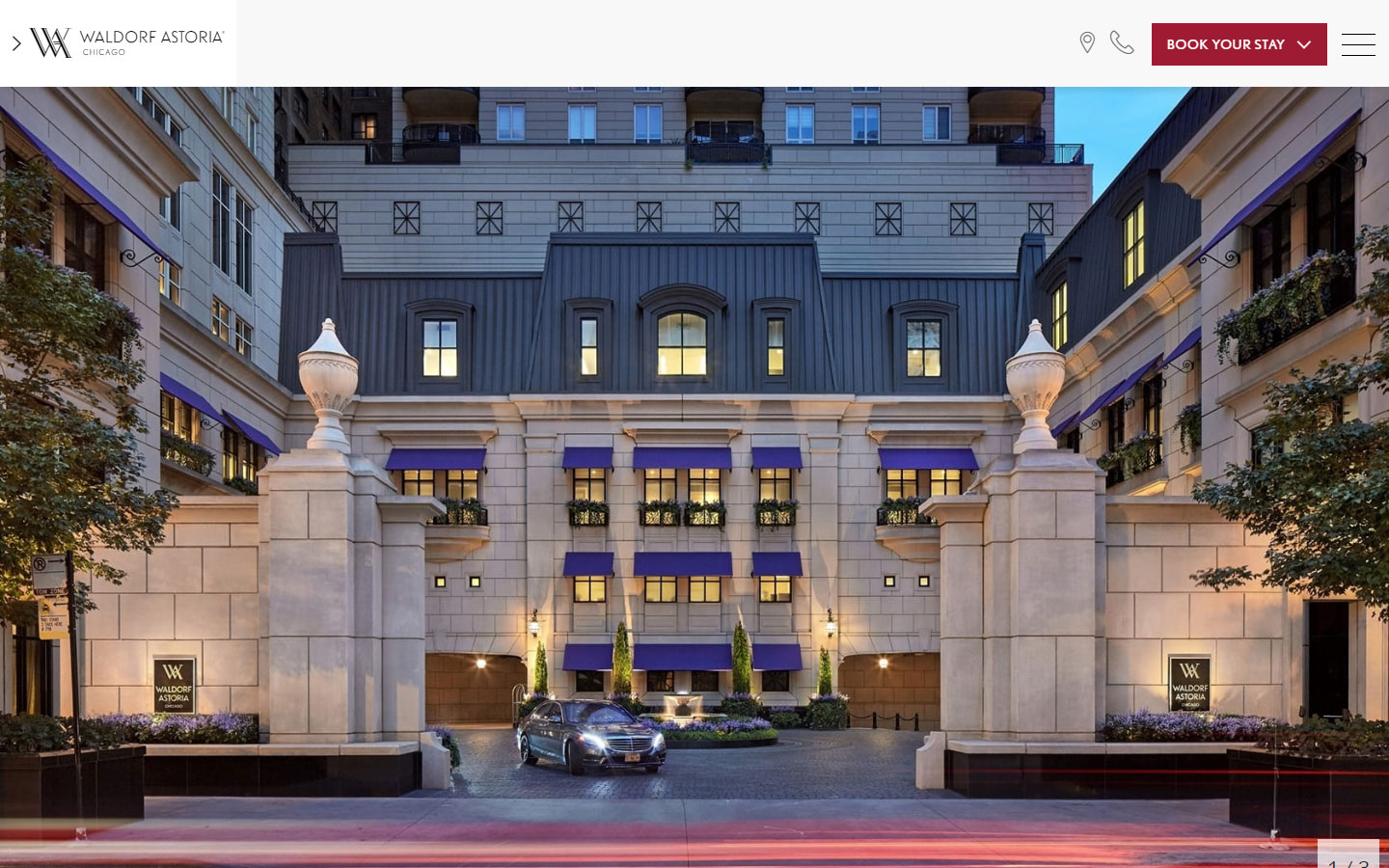
Why it works: The layout of the website is very user-friendly. It has a montage-style grid on the body to assist visitors of the website in quickly finding what they might be after.
https://www.waldorfastoriachicagohotel.com
16. Crystal Group Plaza
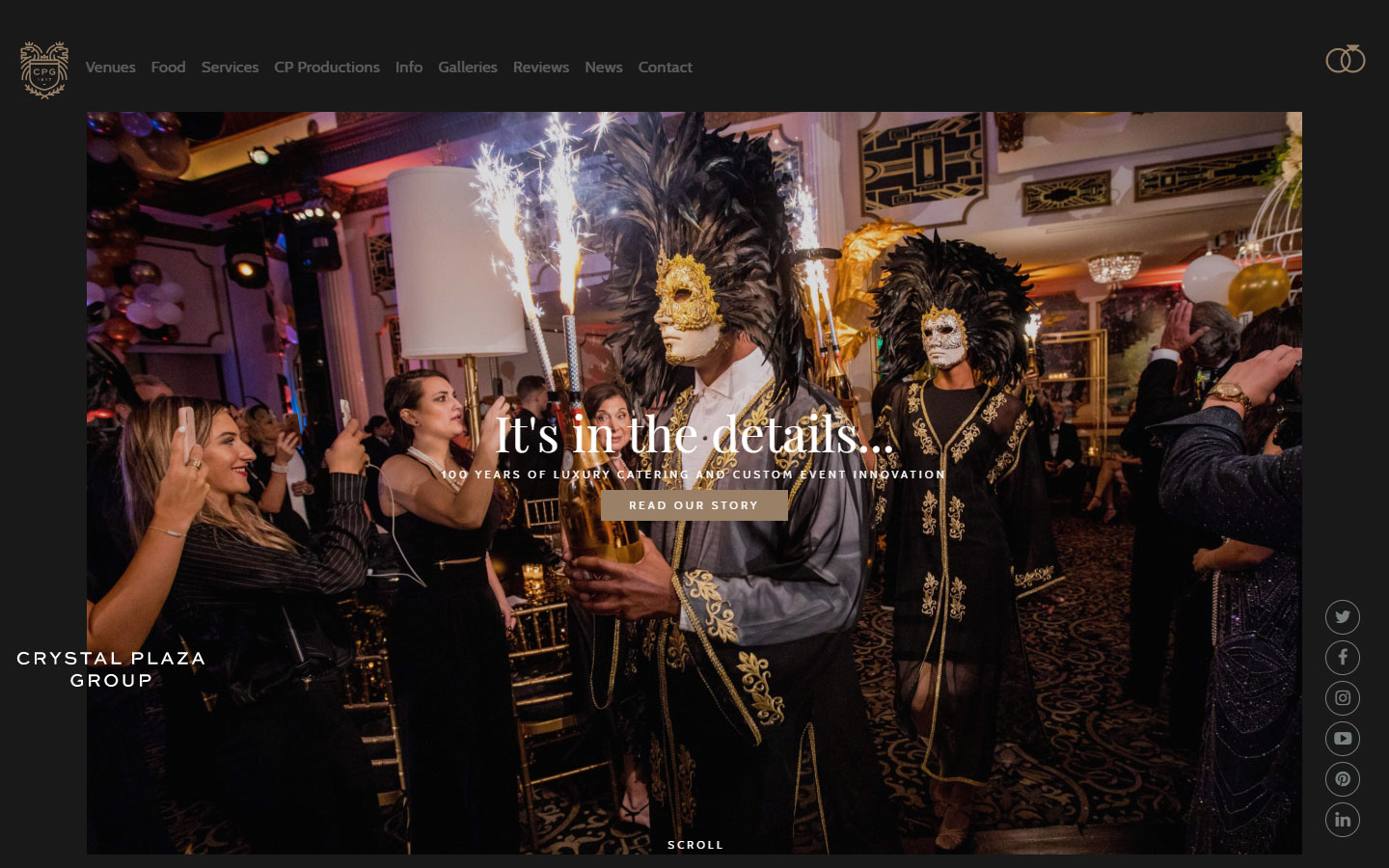
Why it works: A stunning dark-themed website with subtle animations and elegant transitions of the events feed.
17. New Heights
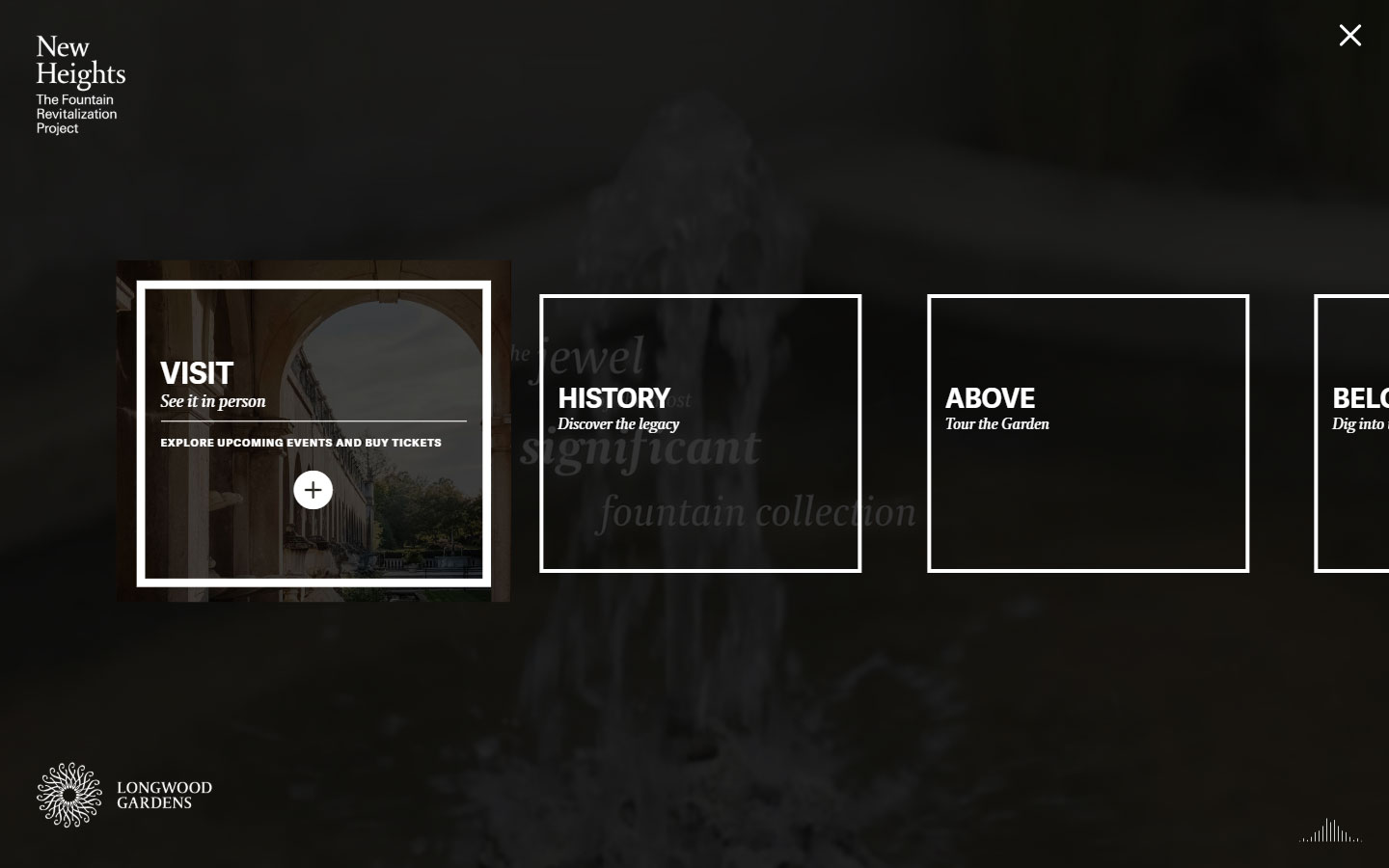
Why it works: This is a unique web design. The tour’s website, in particular, with interactive elements is one of the great features of the site.
https://newheights.longwoodgardens.org
18. The Vines
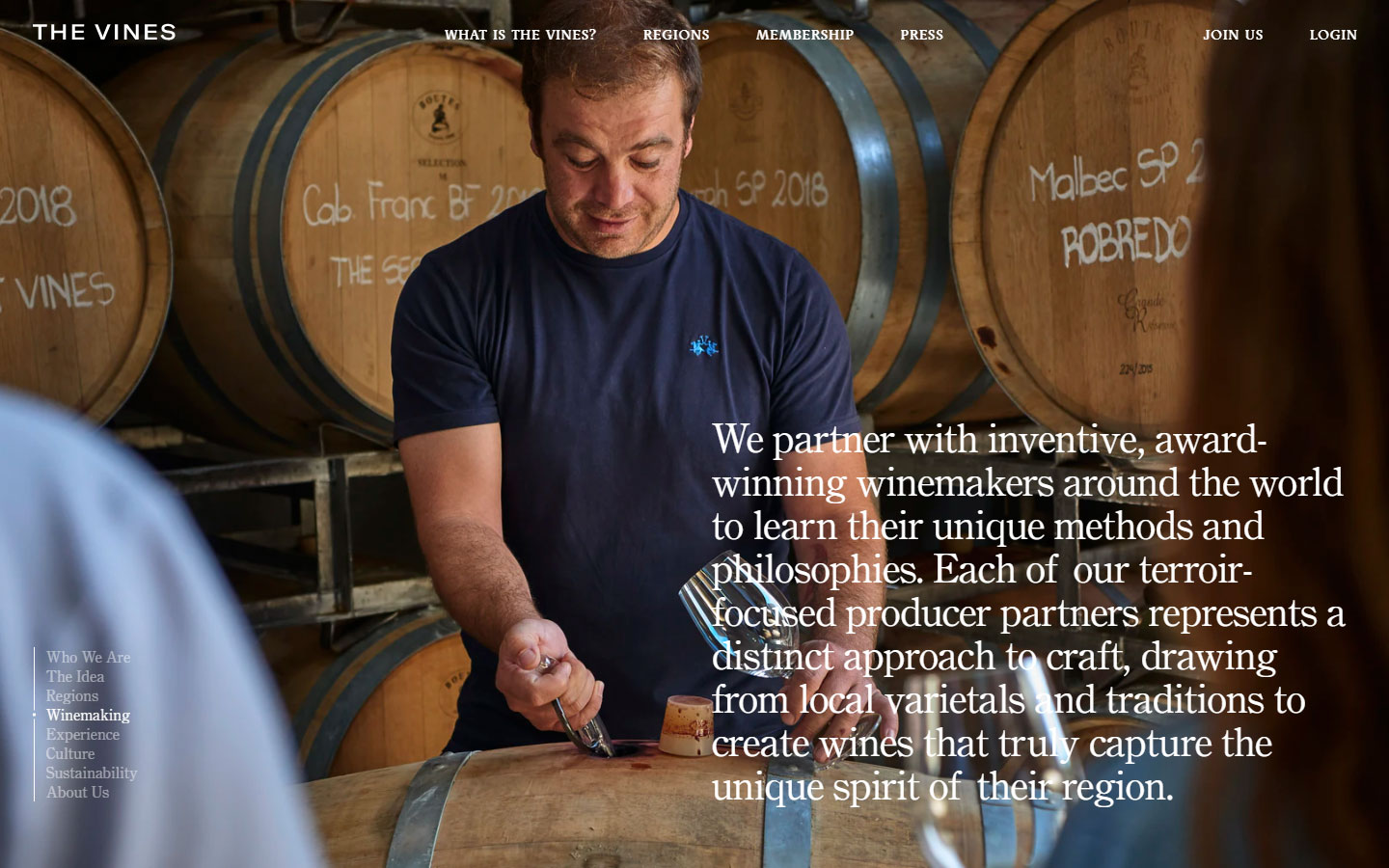
Why it works: The Vines is one of the finest hotel websites, with its fantastic pictures and captivating copy. It’s simple to get around the website.
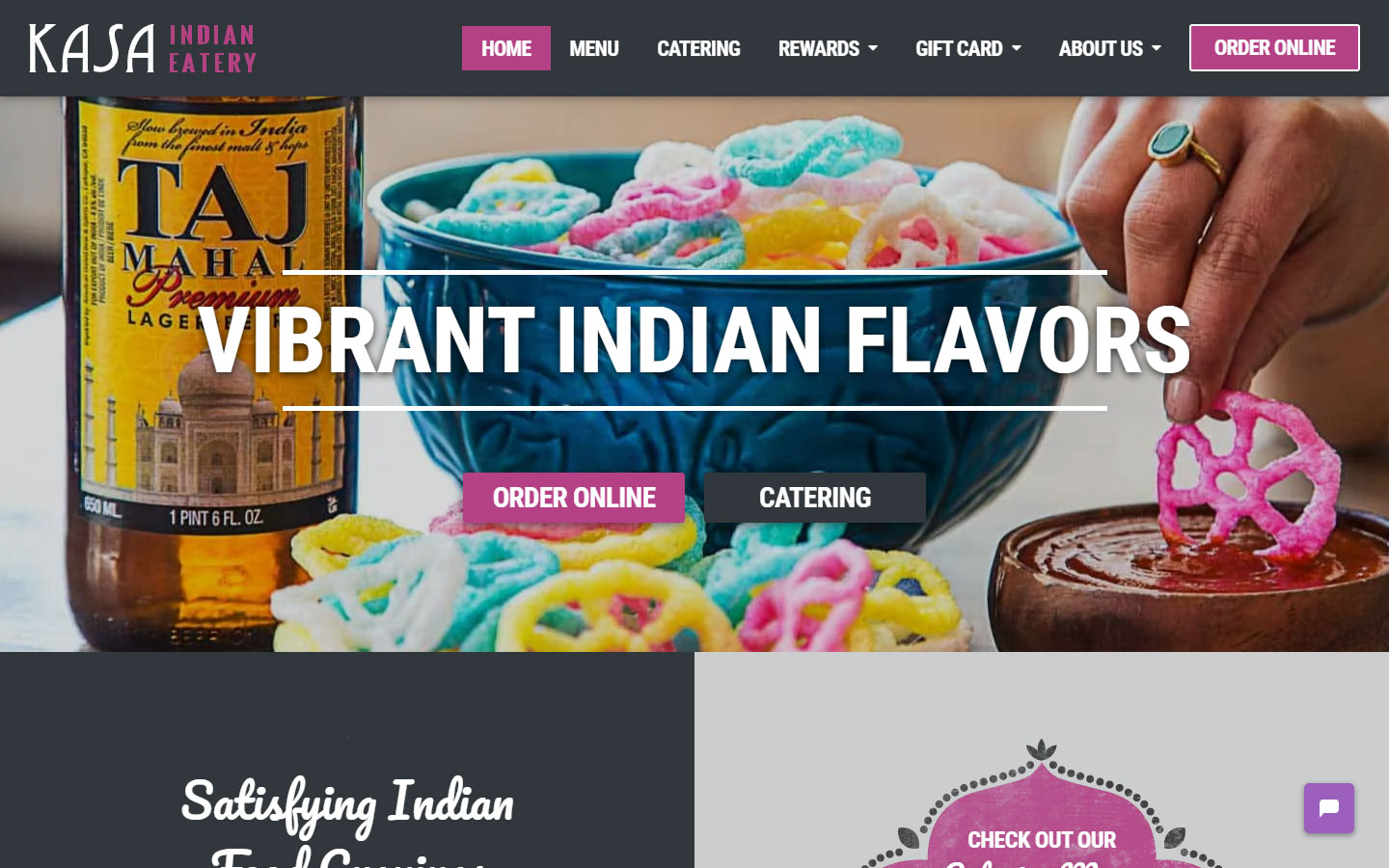
19. Kasa Indian Eatery
Why it works: Attractive color combinations, eye-catching and vibrant imagery, and different typefaces that create one’s attention all contribute to the object’s appeal. Order now call to action is a great feature of the site.
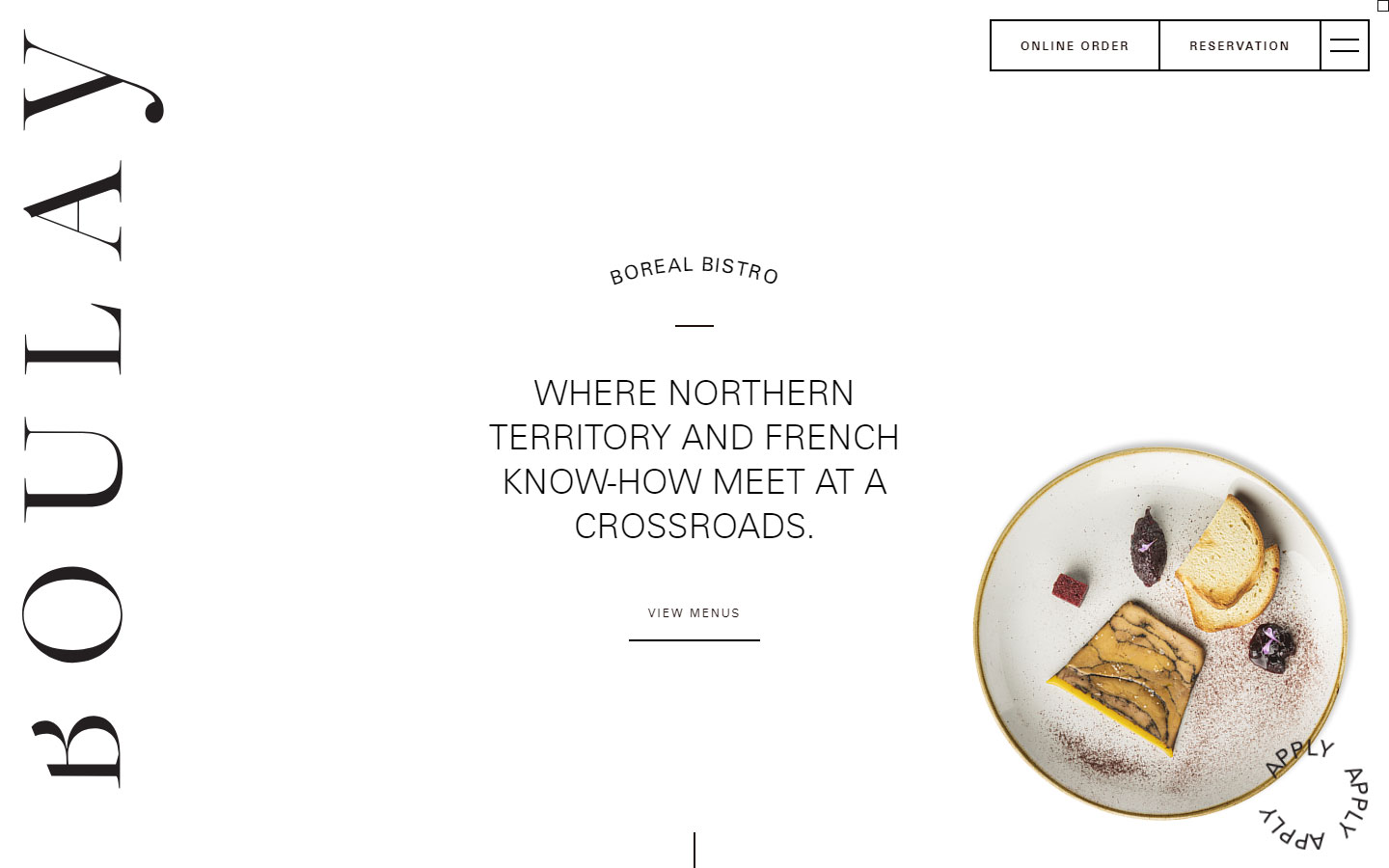
20. Chez Boulay
Why it works: The strong contrast between elements, animated “apply” widget simple hamburger menu, and intriguing parallax effects make this design eye-catching.
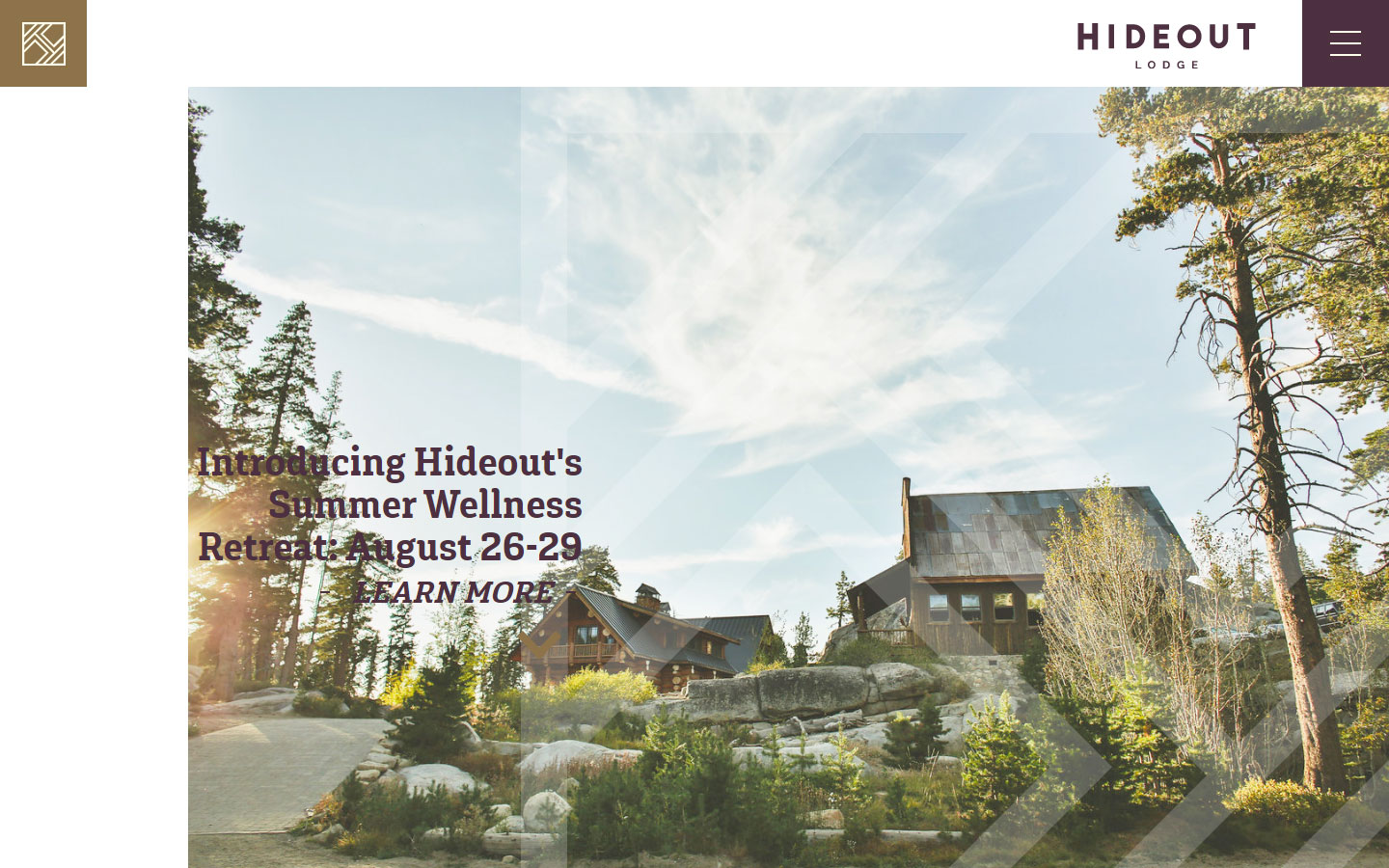
21. Hideout Lodge
Why it works: This website receives positive reviews with its unique gold and purple color scheme, line art designs, a grid-like structure for quick access, and easy navigation.
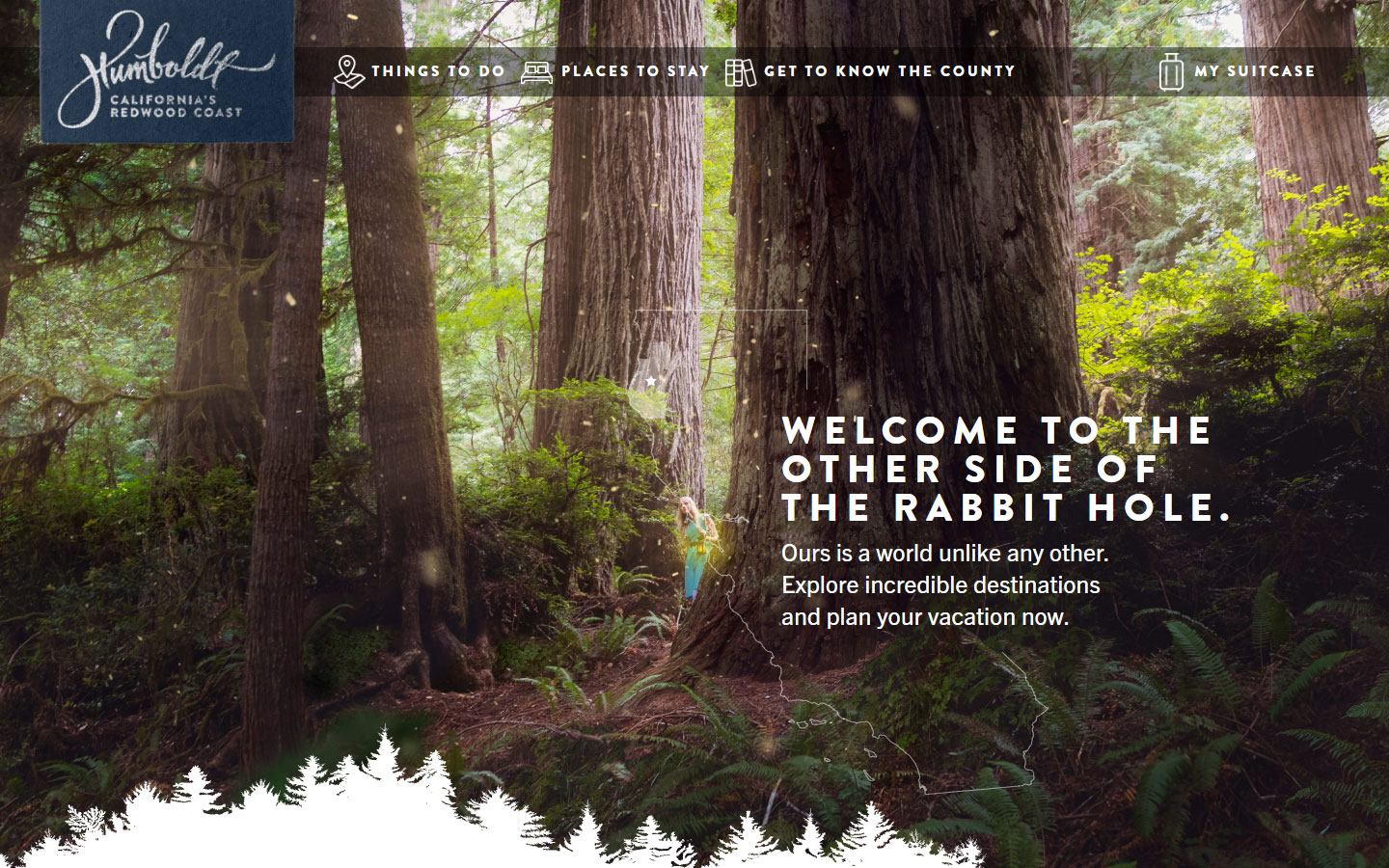
22. Humboldt
Why it works: One who enjoys traveling (and hiking) would undoubtedly enjoy the thrill offered by the website, which is both compact and simple.
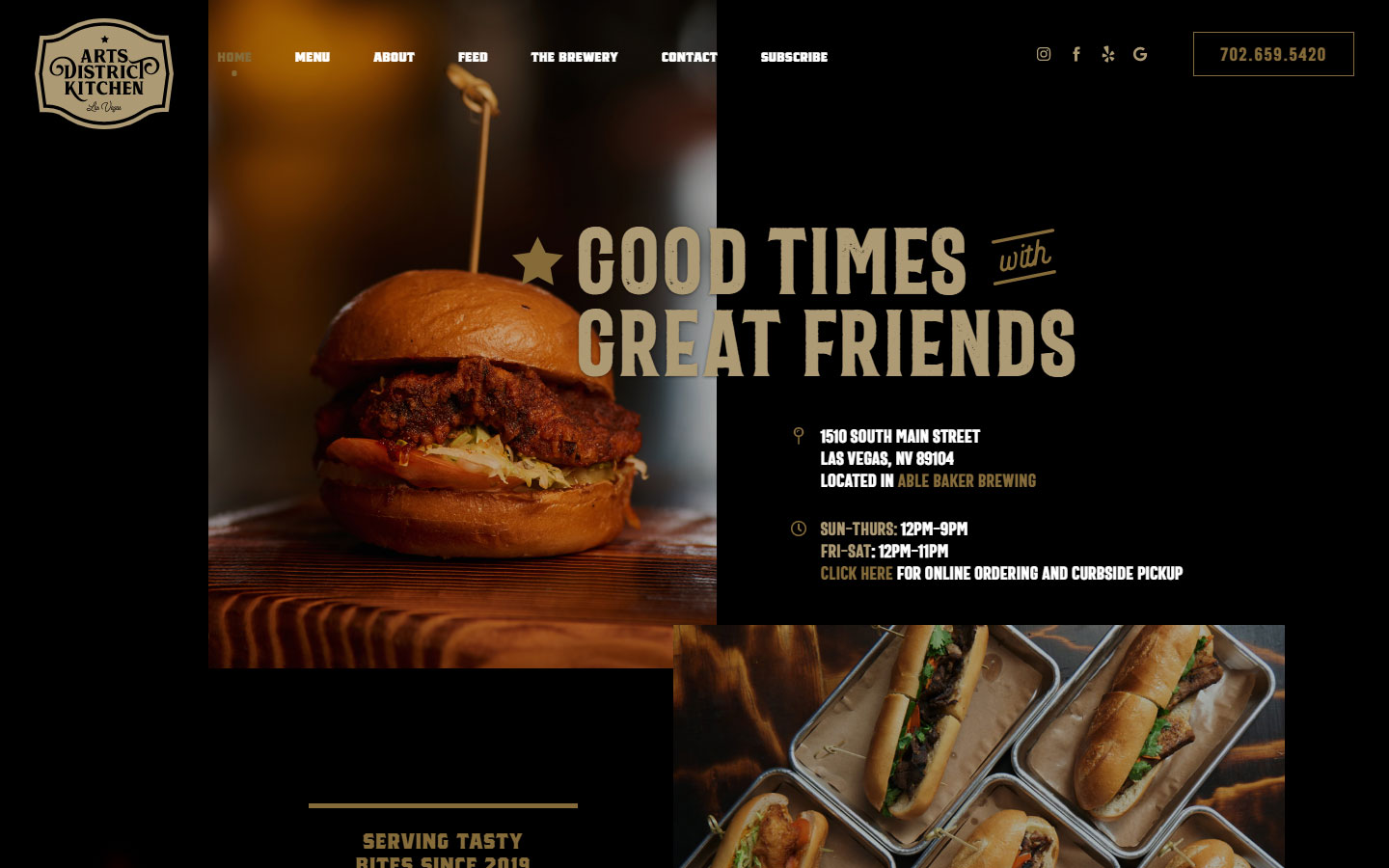
23. Arts District Kitchen
Why it works: A stylish, minimalist cart page with just the right amount of information. On page load, a pleasant animation on the components as they scroll, and a one-column menu section and high-quality imagery for easy reading.
https://artsdistrictkitchen.com
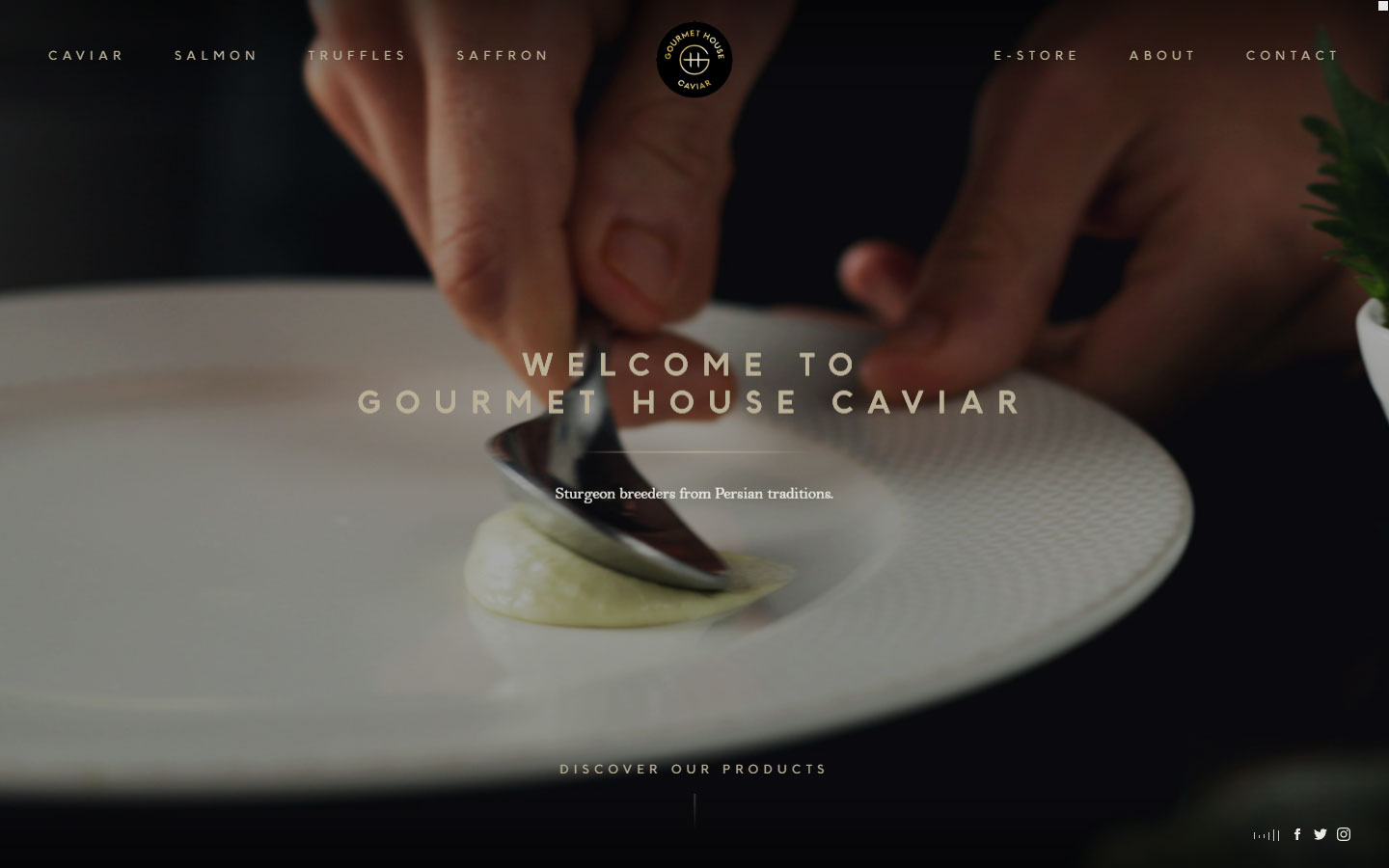
24. Gourmet House Caviar
Why it works: A gloomy gourmet restaurant website design with a compact layout, intuitive navigation, and background music creates a powerful ambiance and luxurious experience.
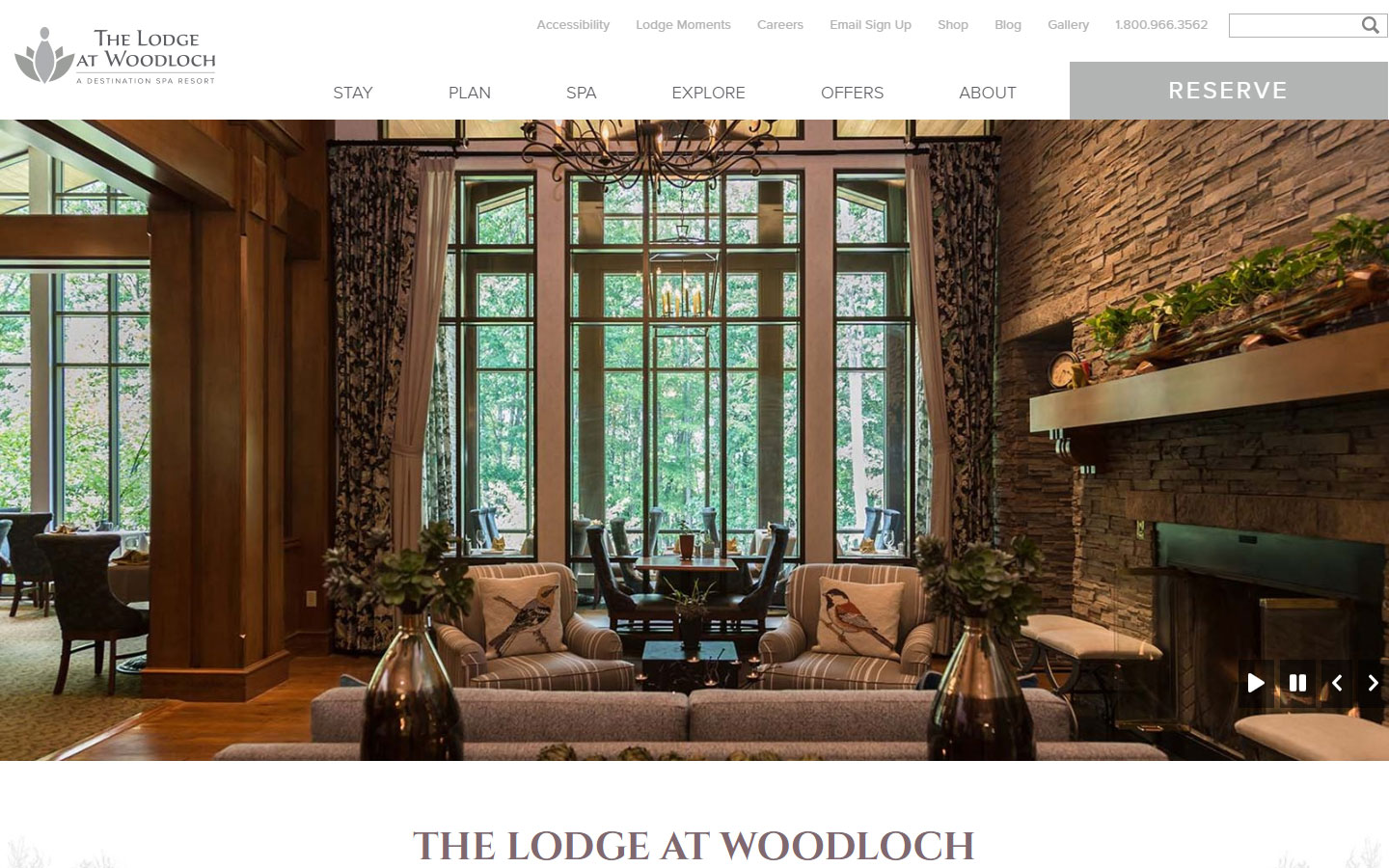
25. The Lodge at Woodloch
Why it works: This spa website design is both simple and elegant, and the graphics used to depict it are likewise straightforward and complement the overall details and design feel.
https://www.thelodgeatwoodloch.com
26. The Peninsula Hotels
Why it works: A well-designed luxury hotel and attractive website emphasizes the many whitespaces and a wide range of information scattered throughout.
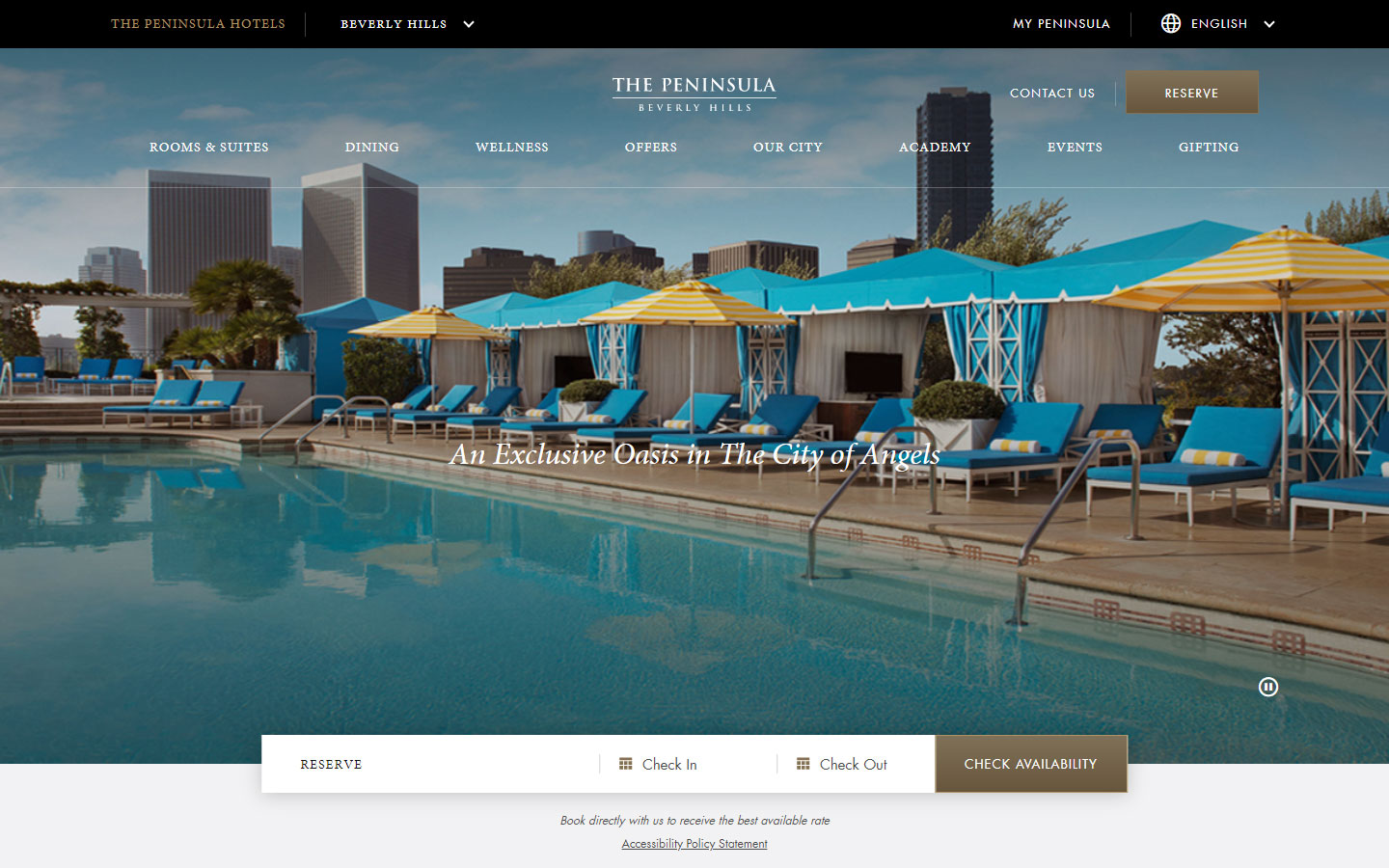
https://www.peninsula.com/en/beverly-hills/5-star-luxury-hotel-beverly-hills
27. La Réserve
Why it works: The hotel’s cleanest website design features a basic, minimalist style and structure, as well as a useful booking engine widget on the side.
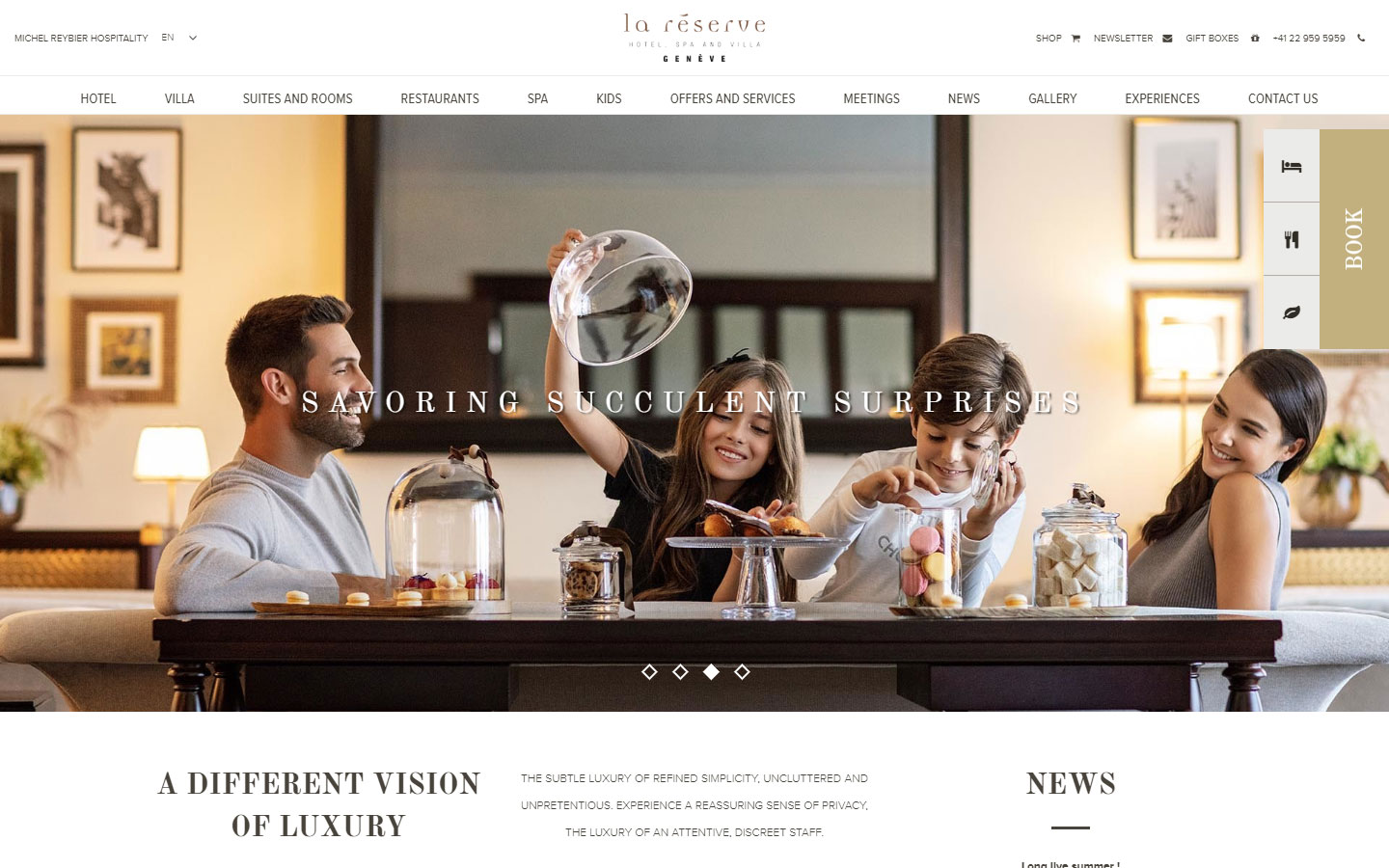
http://www.lareserve-geneve.com
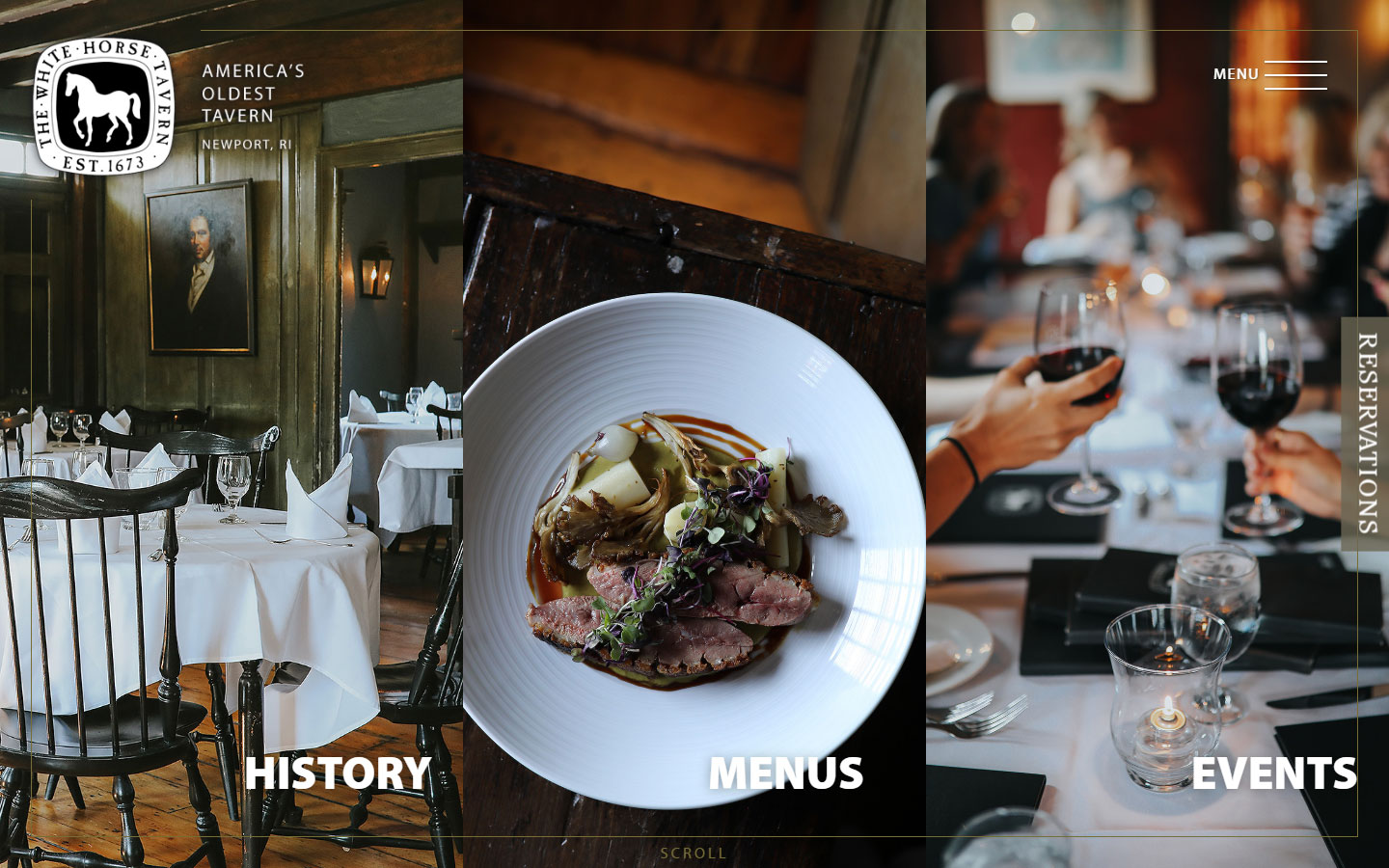
28. The White Horse Tavern
Why it works: The website is simple to use, with a straightforward layout, easy-to-read information, and of course an easy reservations widget on the side.
29. Forte Village Resort
Why it works: One of the best hotel websites design with its unusual and distinctive details, with bursts of components on each scroll that produce a really enjoyable and one-of-a-kind experience.
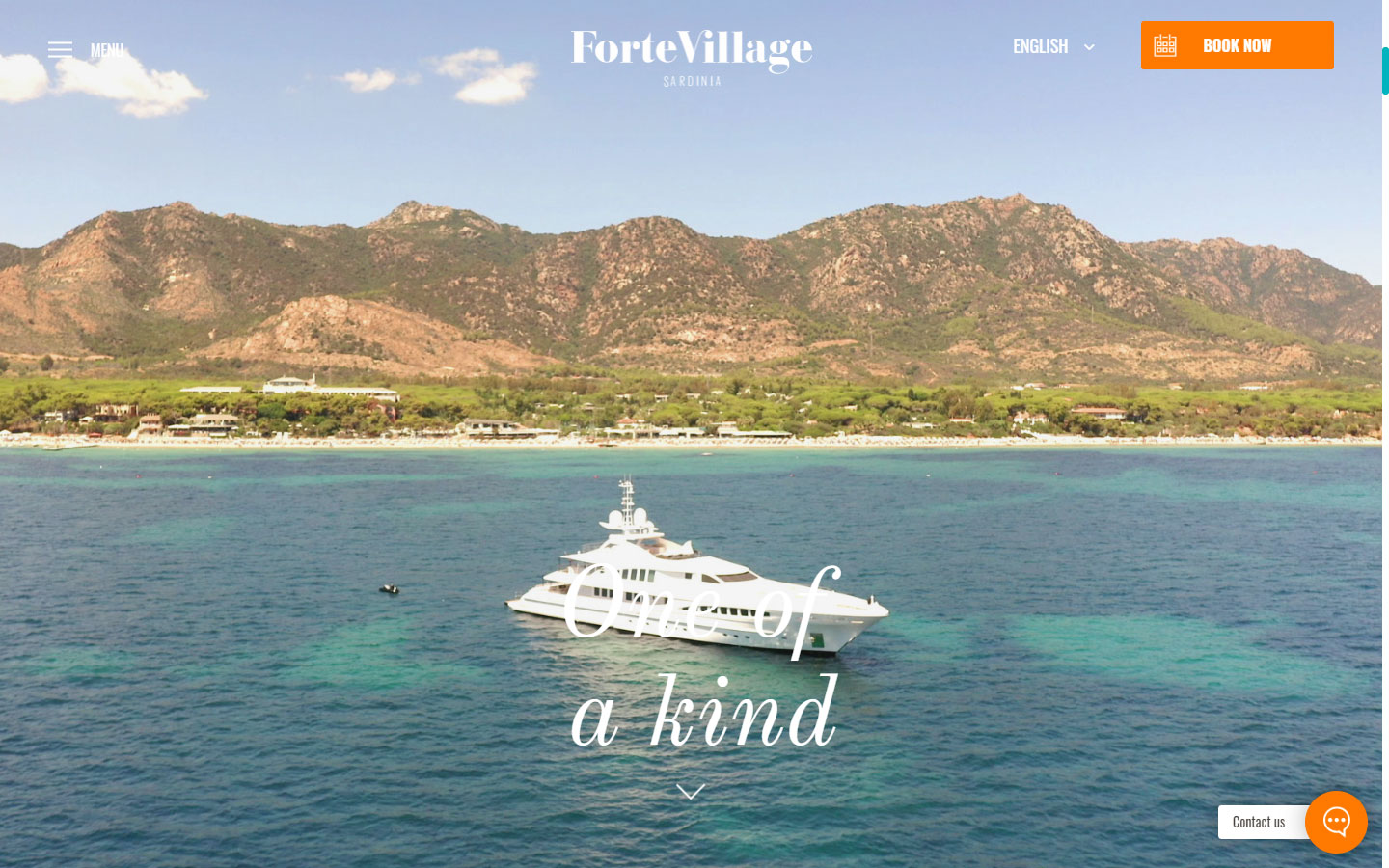
https://www.fortevillageresort.com
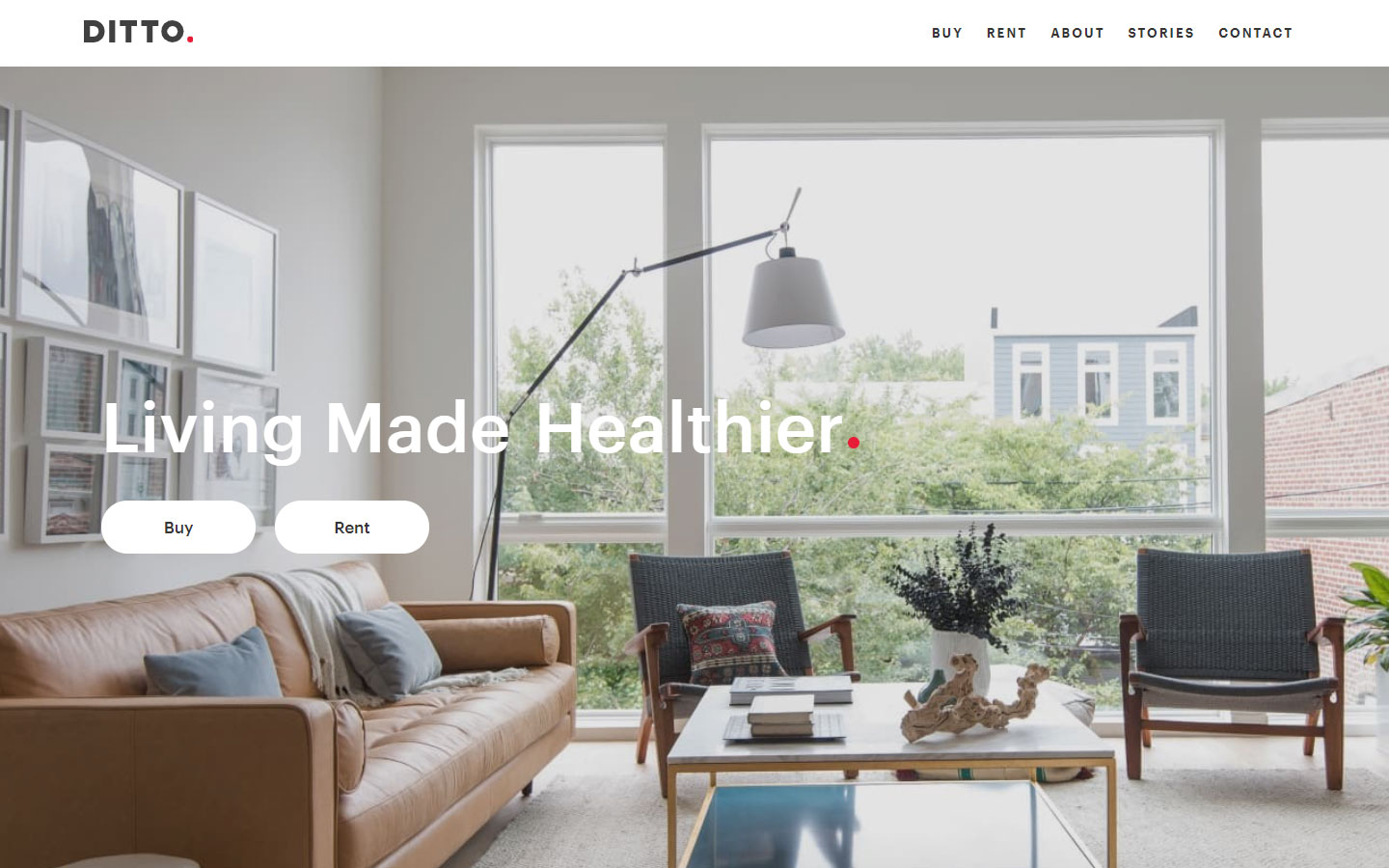
30. Ditto DC
Why it works: The web design layout is fantastic, and it’s really clean. There’s a lot of typography on the site, which helps to keep things simple. It’s minimalism without any compromise.
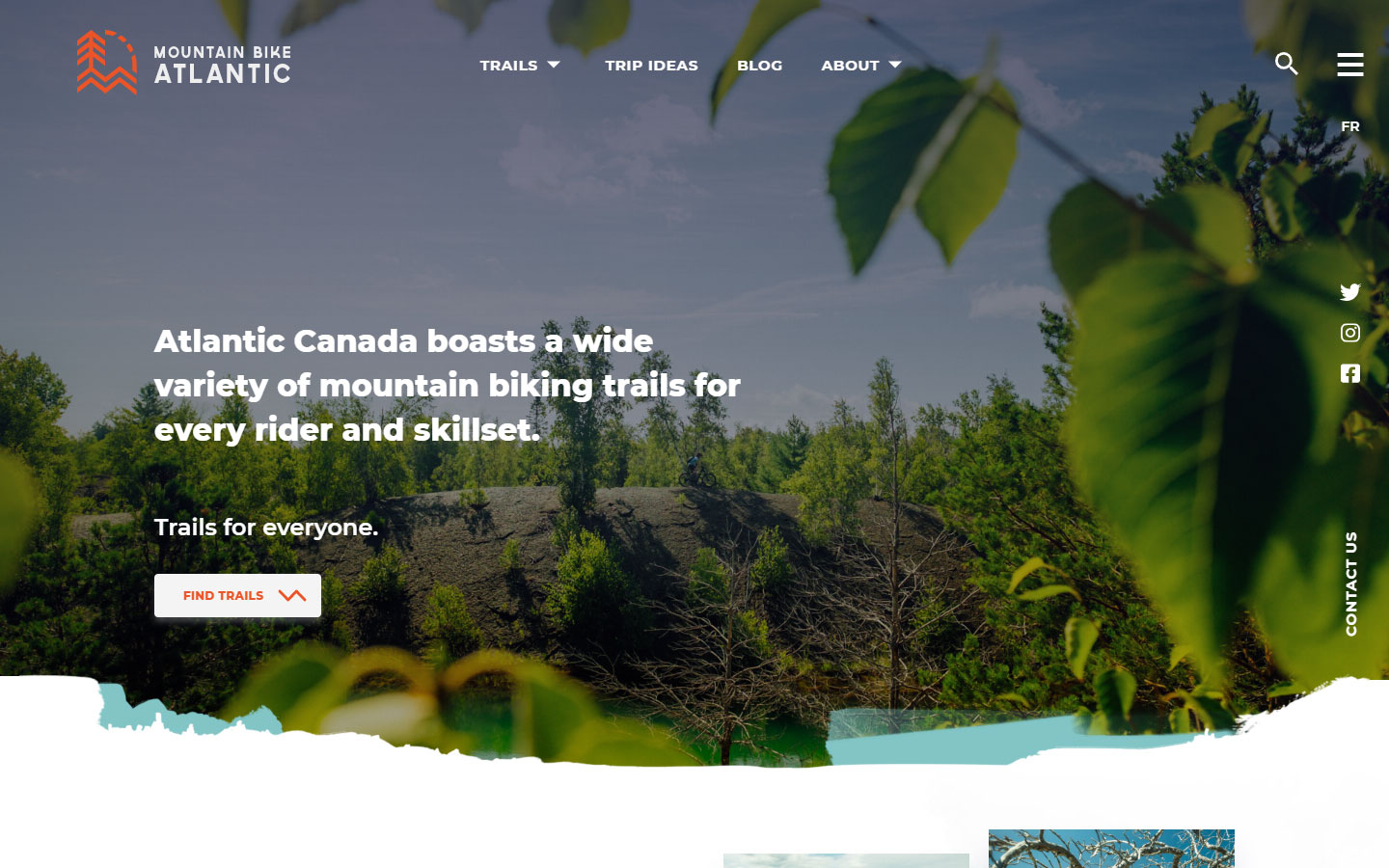
31. Mountain Bike Atlantic
Why it works: Elegant, simple designs. Simple patterns and nature-inspired shapes convey a lighthearted mood. Extra personality with customized graphics and organic forms. Beautiful and bright colors, excellent contrast between components.
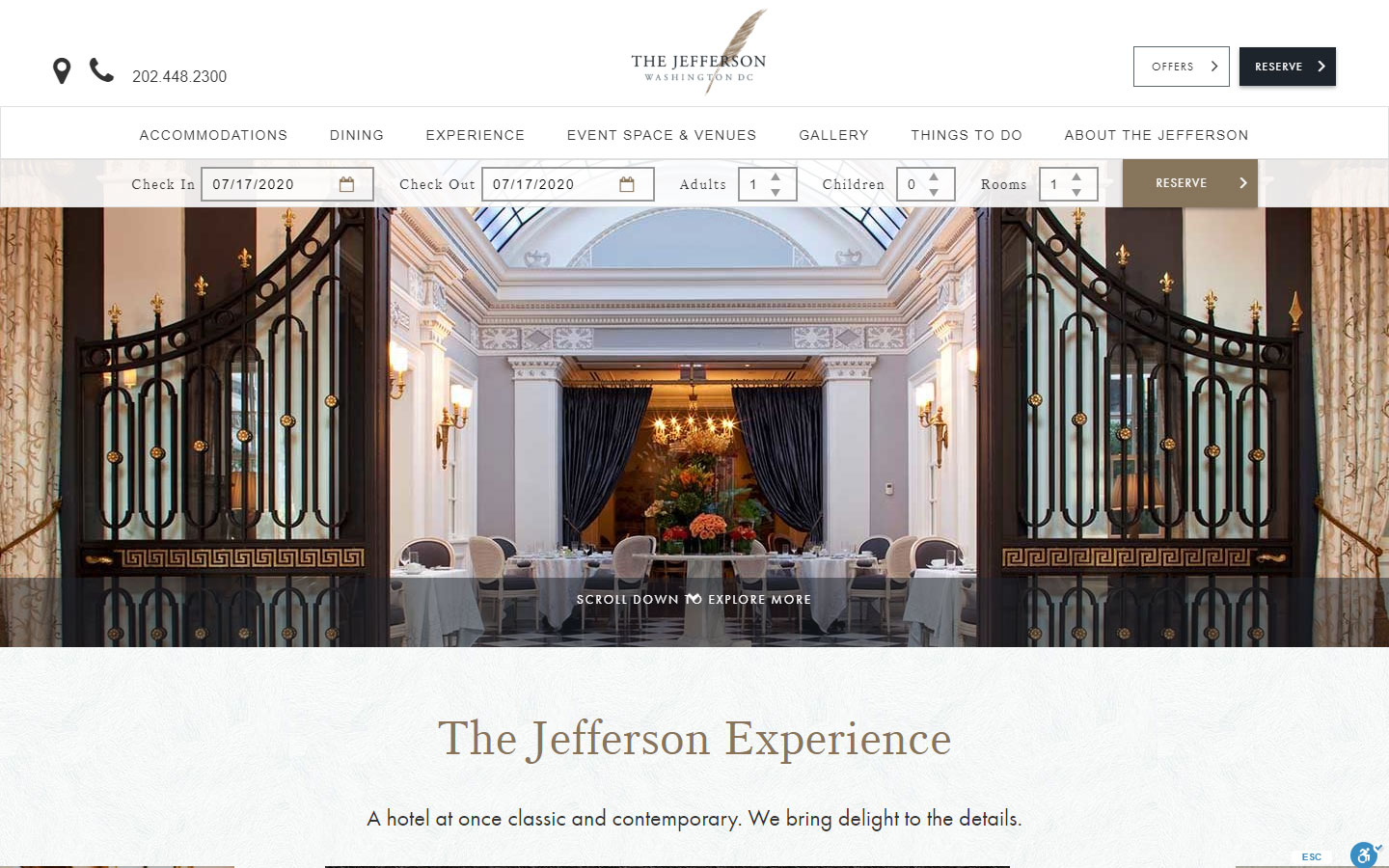
32. The Jefferson
Why it works: This luxury hotel has modern minimalist design, reservation button immediately visible above the fold, and a great number of interactive features on the site.
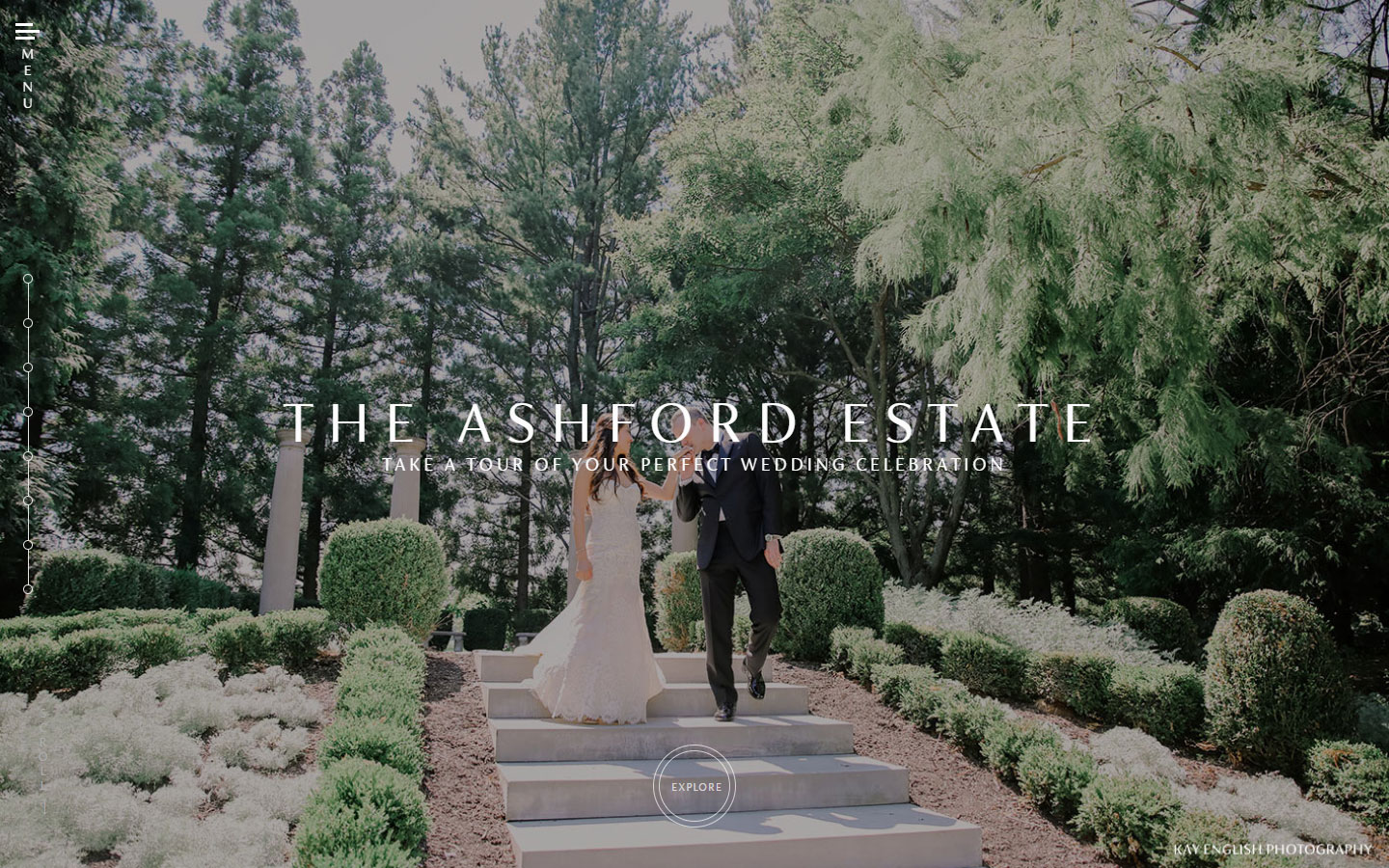
33. The Ashford Estate
Why it works: Despite the fact that the website is lengthy, use plenty of white space to give it a sense of control. Well-described features create a feeling of authority over what they do.
https://weddingsofdistinctionnj.com/venues/the-ashford-estate/explore/
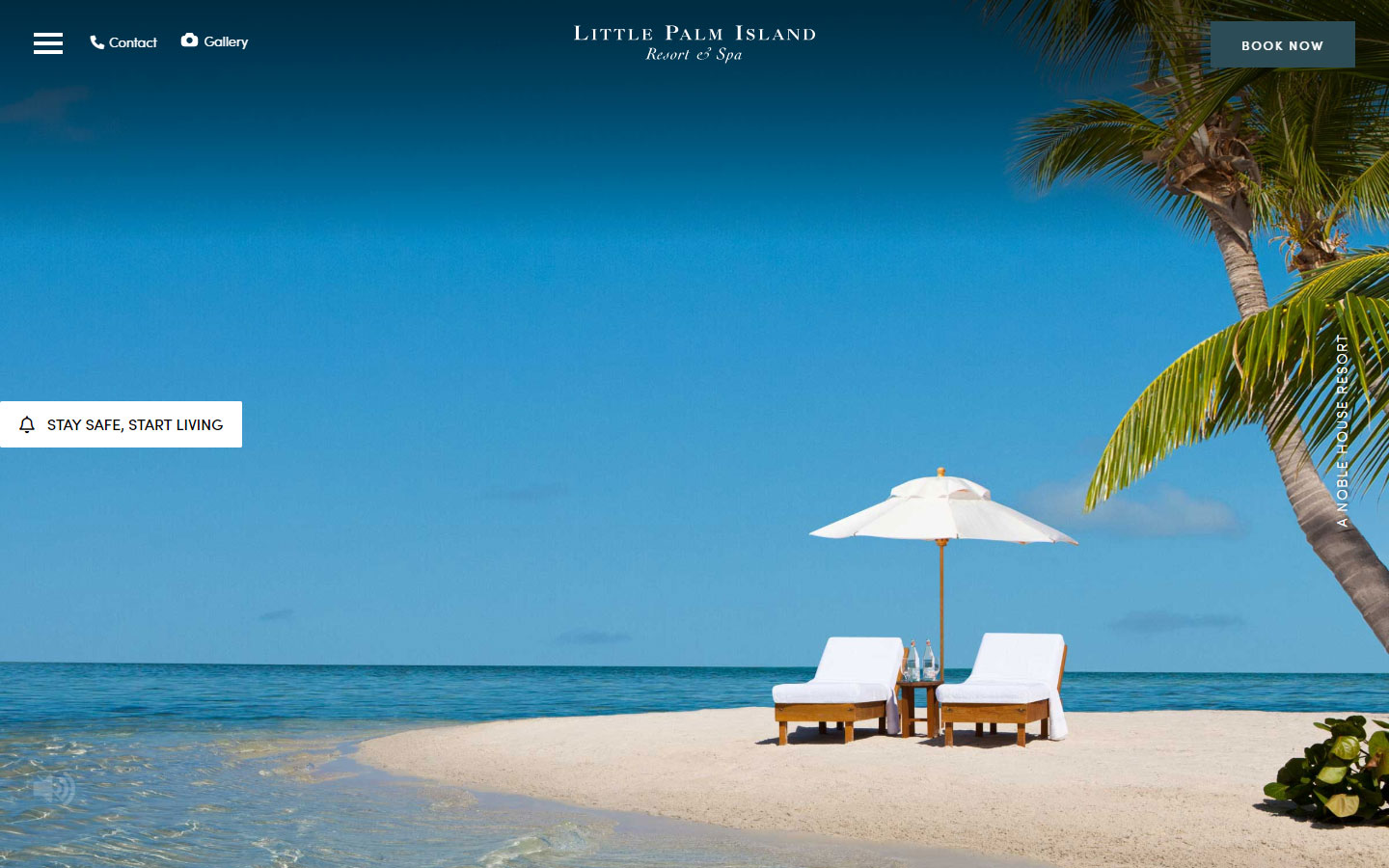
34. Little Palm Island
Why it works: This luxury hotel business website design is simple yet extremely effective, bright, airy, and refreshing. You can feel the beach experience on the site’s simple design.
https://www.littlepalmisland.com
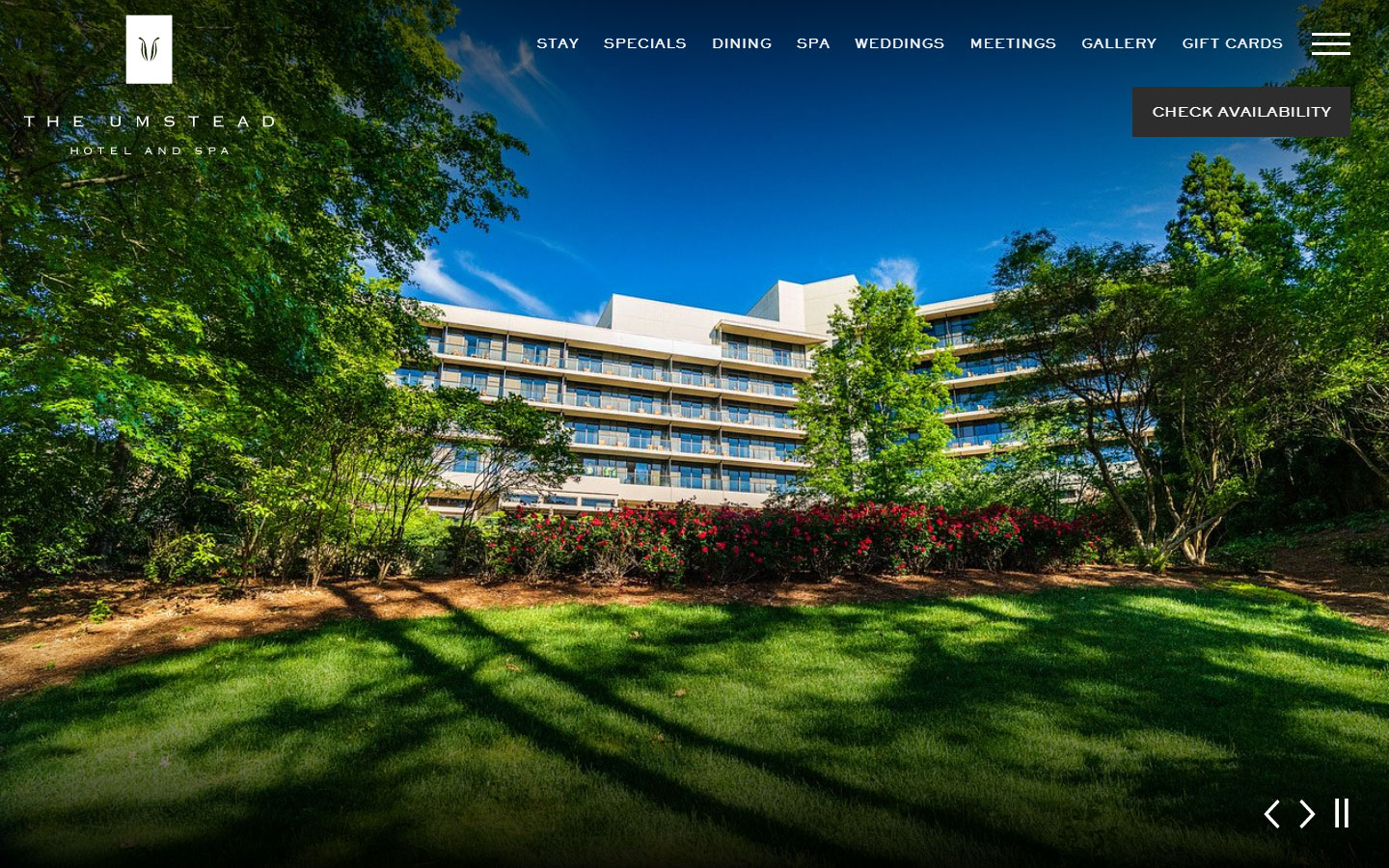
35. The Umstead Hotel & Spa
Why it works: Classic and modern, but it’s done with perfection. The design is simple yet effective. Clean graphics, pixel-perfect alignment, and bursts of color throughout the homepage features.
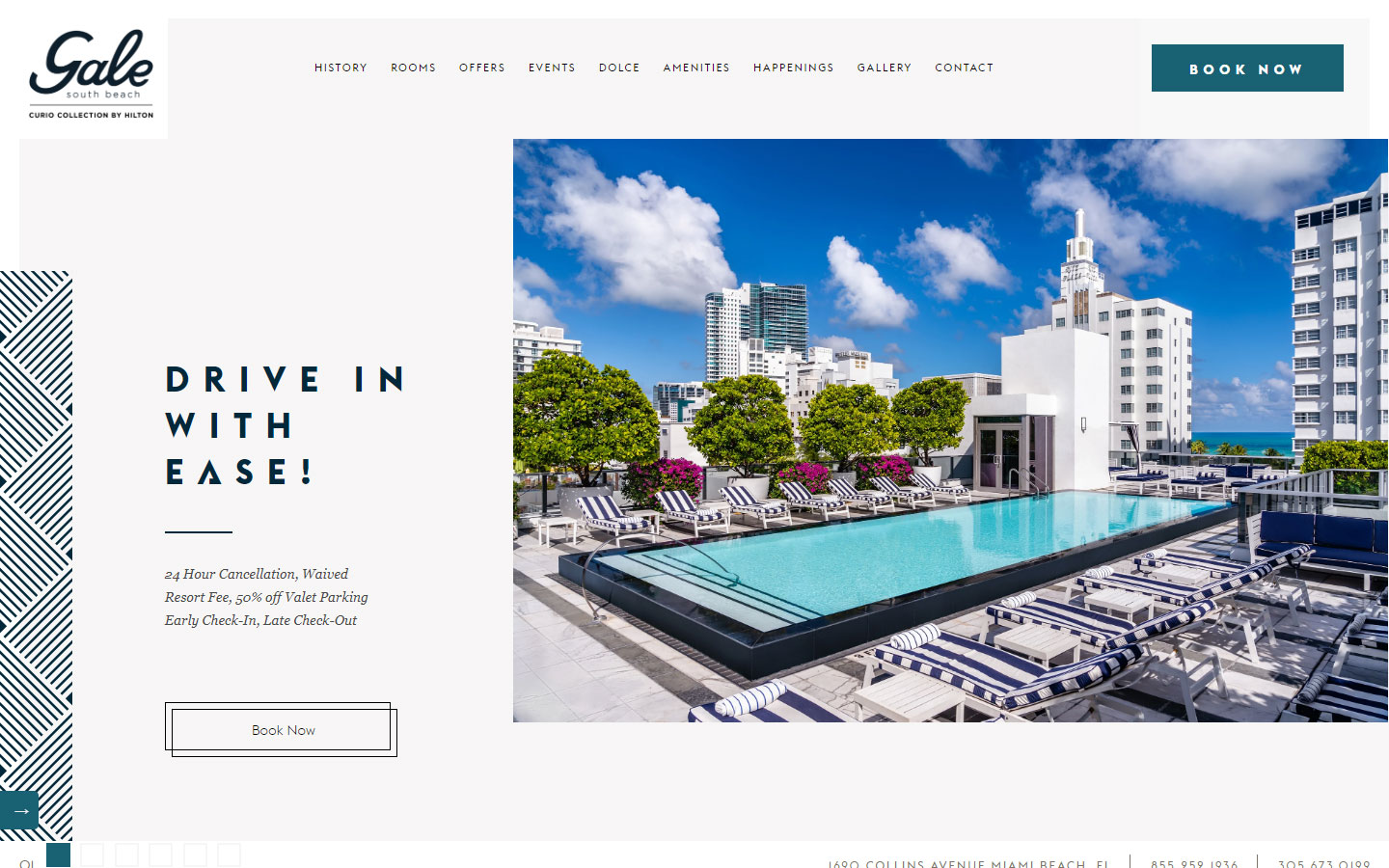
36. Gale Hotel
Why it works: The hero section contains a short, but interesting slideshow. The element’s scroll effects are beautiful. It’s a non-traditional layout for hotel websites.
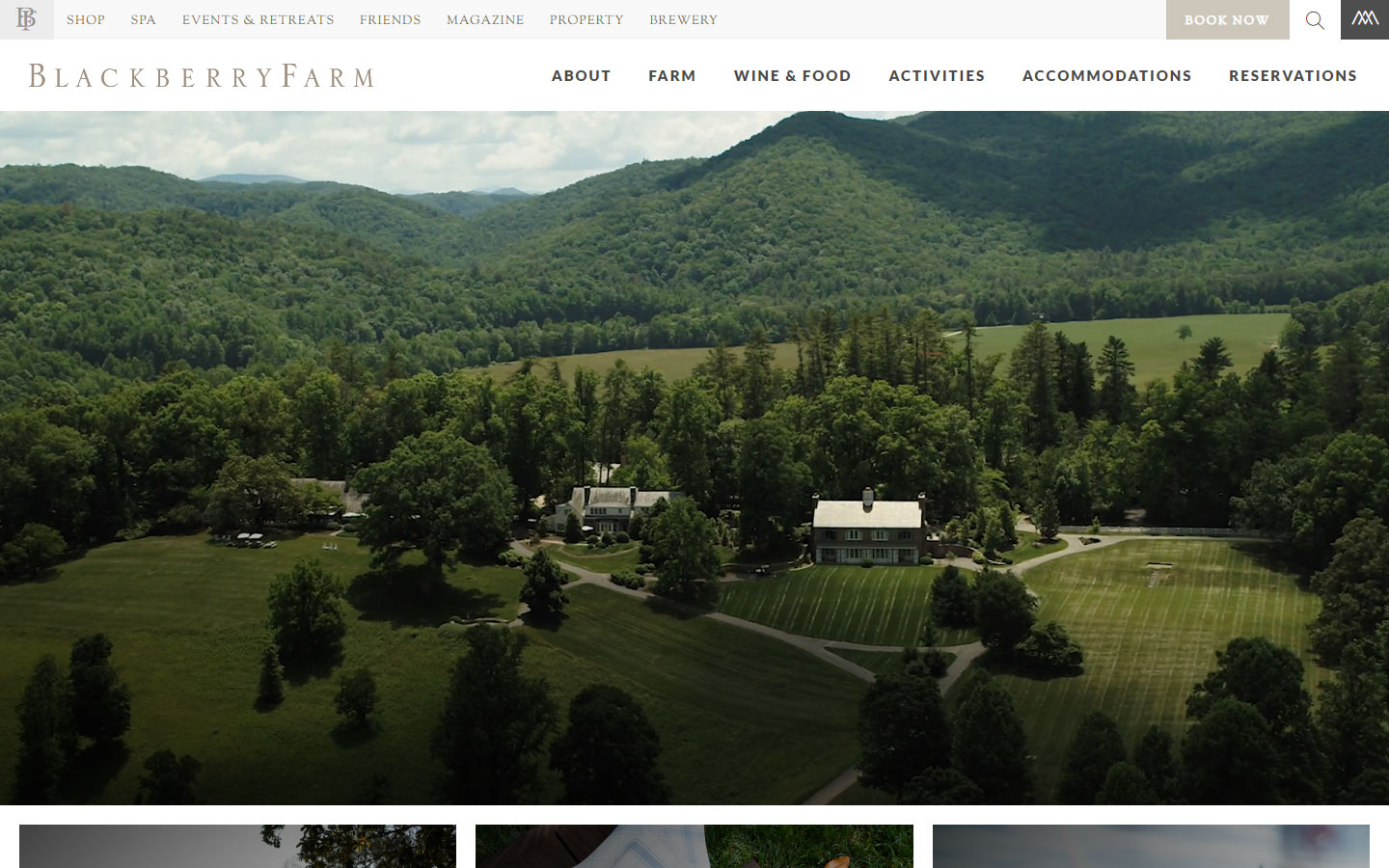
37. Blackberry Farm
Why it works: A fantastic example of a quick-to-understand website design. The video alone conveys a lot of information about how amazing the farm experience will be.
38. Frog’s Leap
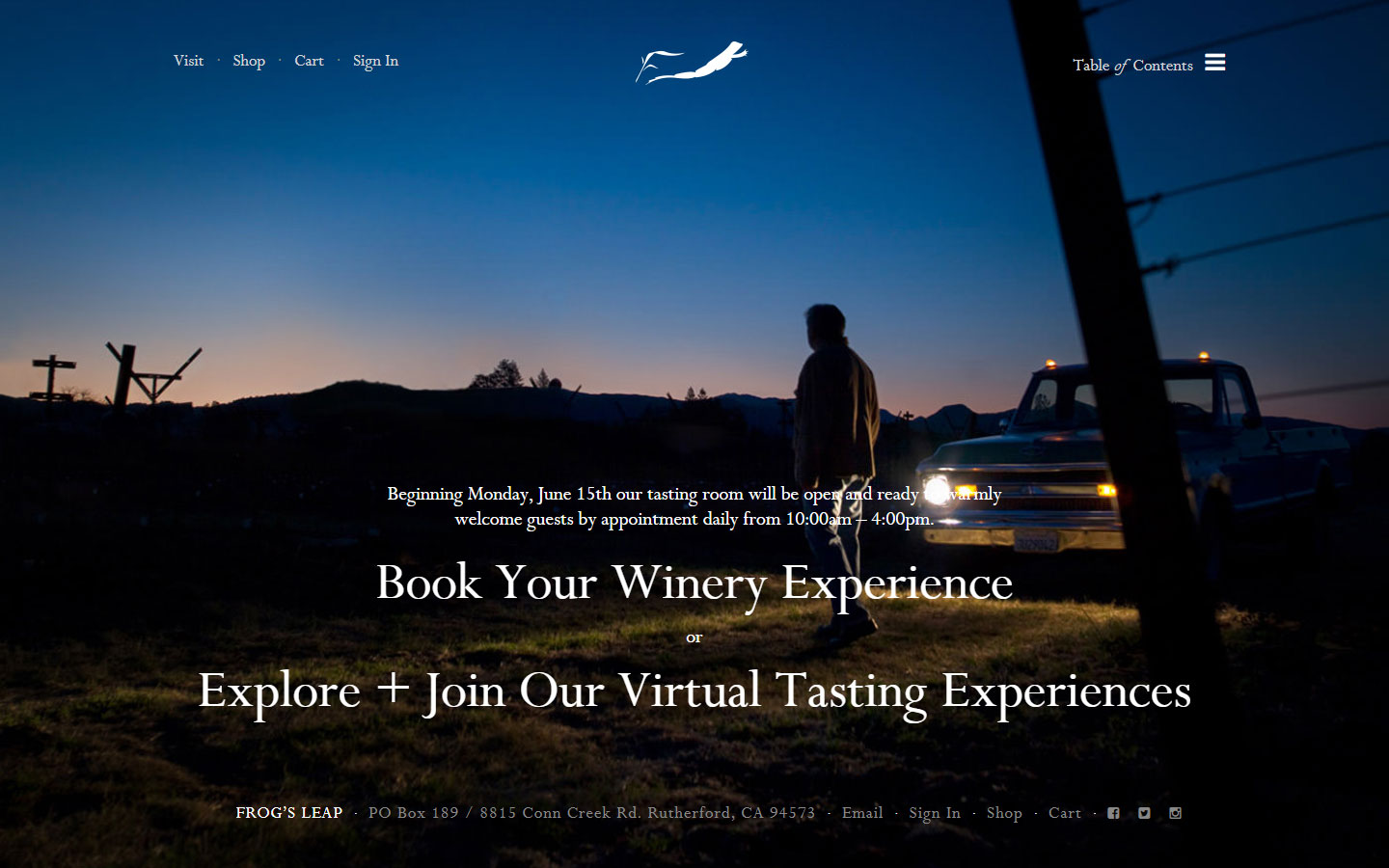
Why it works: A website with a strong emphasis on effective use of typography. Good storytelling web design pages and great inspiration visuals.
39. Chalet View Lodge
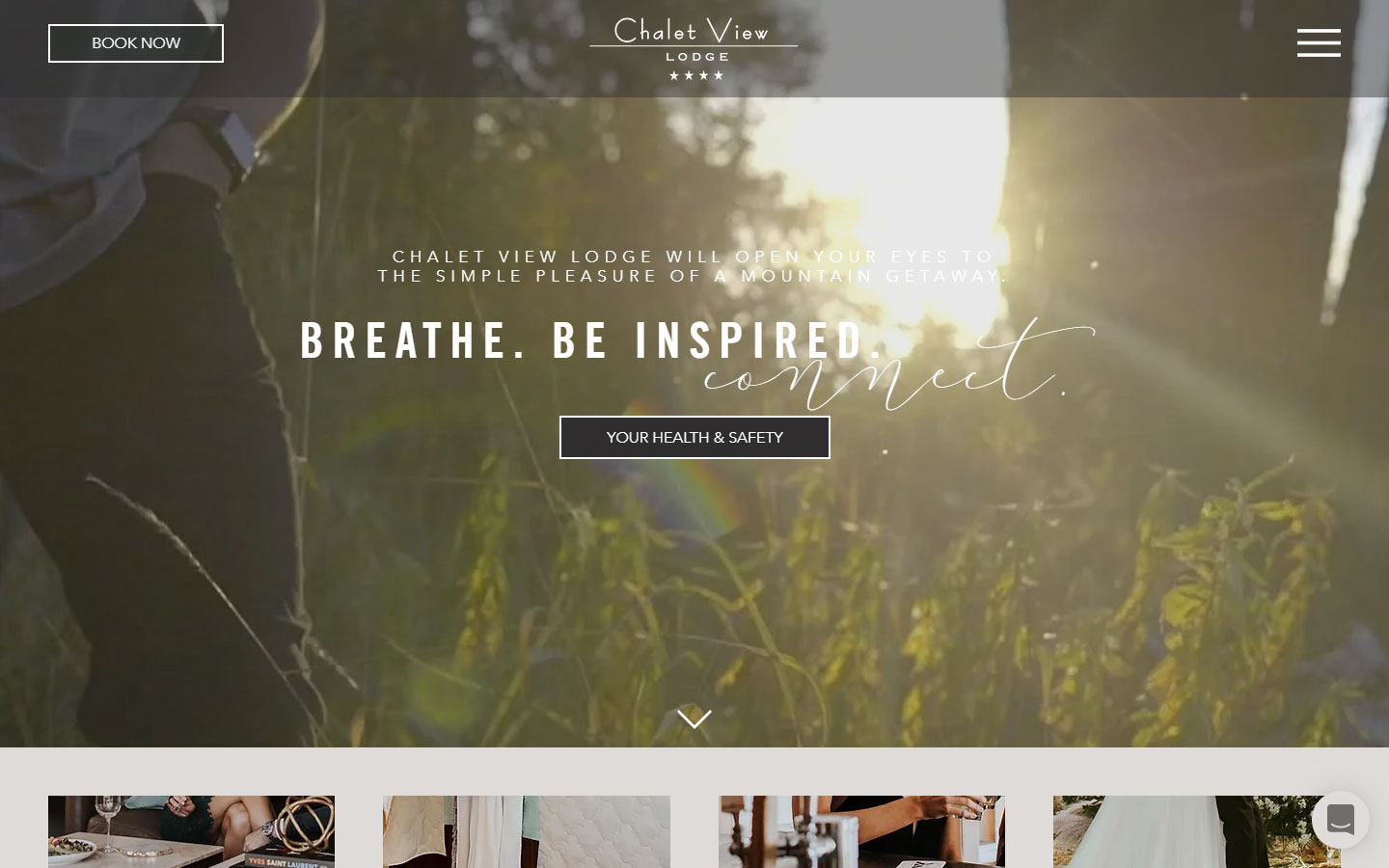
Why it works: The video is highly polished and has a beautiful aesthetic, with excellent use of parallax effects, soft fades, generating a unique mood, feel and target audience.
https://www.chaletviewlodge.com
40. Babington House
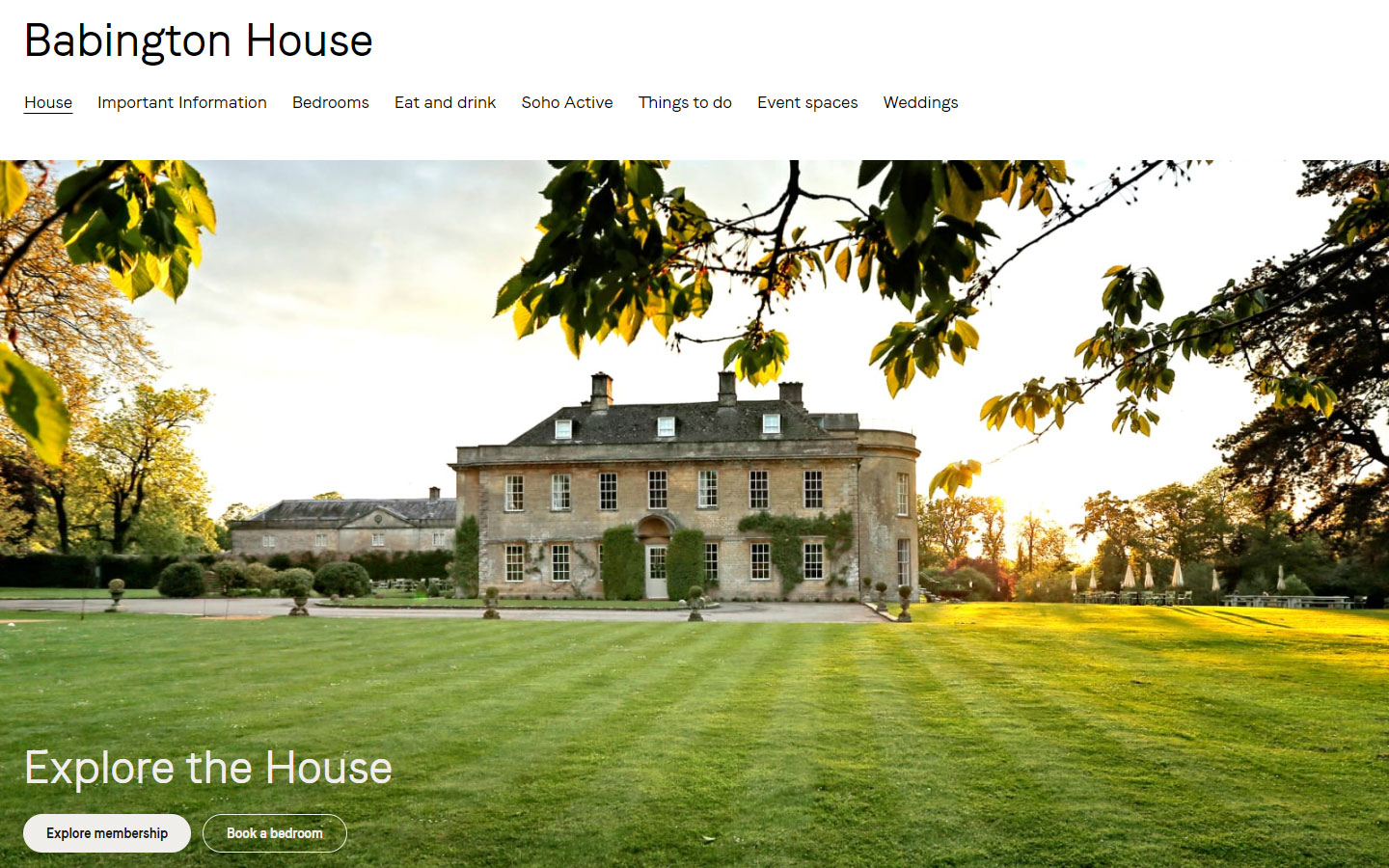
Why it works: This new hotel website design has a clean, simple appearance and no ornaments or flourishes, lending to a stunningly clear design.
https://www.sohohouse.com/houses/babington-house
Conclusion – Hospitality Web Design
There you have it! Some of the most amazing hospitality websites out there. If you need help with your hospitality website project please consider us for your project. We offer a Free custom mockup of your new site before your sign or pay for anything. Click here to learn more.